


 US Backs Musk in Fight Against EU’s €120 Million X Fine
  Russian Missile and Drone Attack on Kyiv Kills Two, Damages Maternity Hospital
  NATO Boosts Intelligence Sharing Amid Russia Hybrid Threats
  Venezuela Promises Elections as Delcy Rodriguez Pledges Democratic Transition
  Abbas Reaffirms November 28 Palestinian Elections
  France Defends Netanyahu Airspace Clearance Despite ICC Warrant
  Trump Asks Supreme Court to Restore Third-Country Deportations
  US Senate Rejects Iran War Powers Resolution in 50-49 Vote
  Trump, Xi Focus on Trade and AI at White House Summit
  North Korea Rejects Nuclear Test Warning, Calls Nuclear Status Irreversible
  South Korea, US Discuss Warship Building Cooperation
  Netanyahu’s Brief US Trip Highlights Strains With Trump
  Kremlin Says No Decision Yet on Putin-Trump December Summit
  Netanyahu Defends Israel at UN as Delegates Stage Walkout
  Taiwan Thanks US for Support Ahead of Trump-Xi Summit
  Trump Administration Plans Faster FDA Reviews for Smoke-Free Nicotine Products
  Gaza Faces Evacuation Crisis as War-Damaged Buildings Risk Collapse


 Add as a preferred source on Google
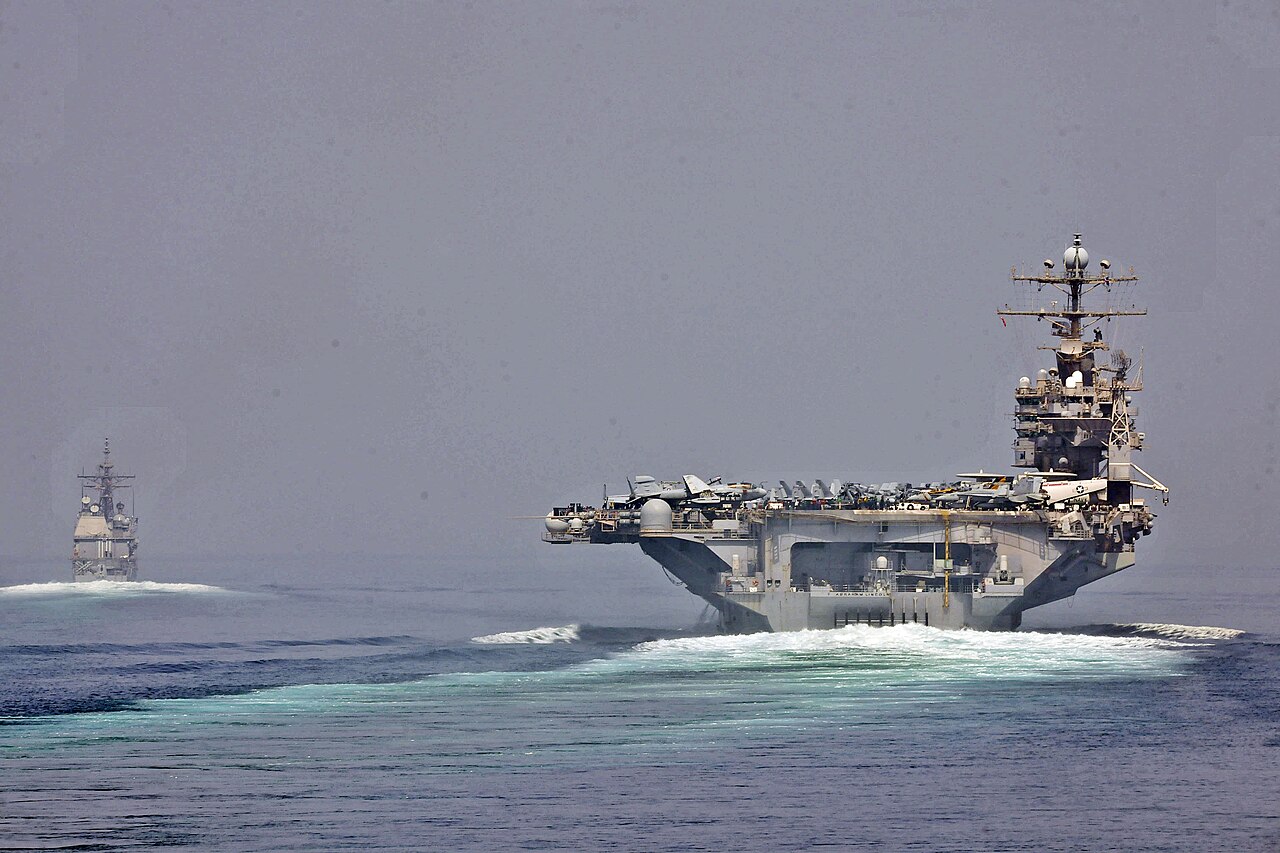
U.S. President Donald Trump said a “largely negotiated” memorandum of understanding between the United States and Iran could soon reopen the Strait of Hormuz, a key global oil shipping route disrupted since the outbreak of the U.S.-Israel conflict with Iran earlier this year. Trump announced on Truth Social that the final details of the agreement were still under discussion and would be revealed soon.
However, Iran’s Fars news agency disputed Trump’s statement, claiming the proposed arrangement would instead allow Iran to oversee the Strait of Hormuz and describing Trump’s version of events as inaccurate. The disagreement highlights ongoing tensions despite reported diplomatic progress.
According to Axios, the proposed Iran peace deal includes a 60-day extension of the ceasefire and the reopening of the Strait of Hormuz without shipping tolls. In return, Iran would reportedly regain the ability to sell oil freely while entering negotiations over limits to its nuclear program. The United States is also expected to ease sanctions on Iranian oil exports and lift restrictions on Iranian ports.
The draft framework reportedly contains commitments from Iran not to pursue nuclear weapons and to discuss suspending uranium enrichment activities. Reports from The New York Times added that Iran may also agree to surrender its highly enriched uranium stockpile, although the details would be finalized in later negotiations.
Pakistan has played a major role as mediator in the talks. Pakistani military officials described the negotiations as “encouraging,” while Iranian officials confirmed discussions are ongoing. Sources familiar with the negotiations said the plan would move in phases, beginning with a formal end to the war, followed by restoring stability in the Strait of Hormuz and broader diplomatic talks.
Despite diplomatic momentum, Iranian officials warned that unresolved issues remain, particularly concerning U.S. military threats and sanctions. Meanwhile, global energy markets continue closely monitoring developments surrounding the Strait of Hormuz and Iran’s nuclear program.







