


 Nvidia-Groq AI Chip Deal Faces U.S. Antitrust Probe
  Xi Calls for Deeper U.S.-China AI Cooperation in Trump Talks
  Who should own the knowledge that underpins AI technology?
  Ghana Says Western Support Growing for Slave Trade Reparations
  U.S. Treasury Yields Surge as 30-Year Hits 22-Year High
  US Immigration Arrests Surge as Deportations Lag Behind
  Judge Orders Trump to Restore White House Access for CNN, MS NOW and Politico
  European Stocks Fall as Bond Yields and Geopolitical Risks Weigh
  Japanese Bank Stocks Surge as Bond Yields Fuel Rate Hike Bets
  FAA Allows Boeing to Sell 35 More 777F Freighters Beyond 2028
  Gold Prices Fall as Treasury Yields Rise on Fed Rate Hike Bets
  Dollar Holds Near Two-Month High as Yen Approaches 160
  Saudi Arabia, Turkey and Pakistan Plan Urgent Defence Talks Over Houthi Attacks
  FDA Names Permanent Drug and Biologics Center Chiefs
  Netanyahu Defends Israel at UN as Delegates Stage Walkout
  US Backs Musk in Fight Against EU’s €120 Million X Fine
  US Resumes Immigrant Visa Processing for Hungary, Poland


 Add as a preferred source on Google
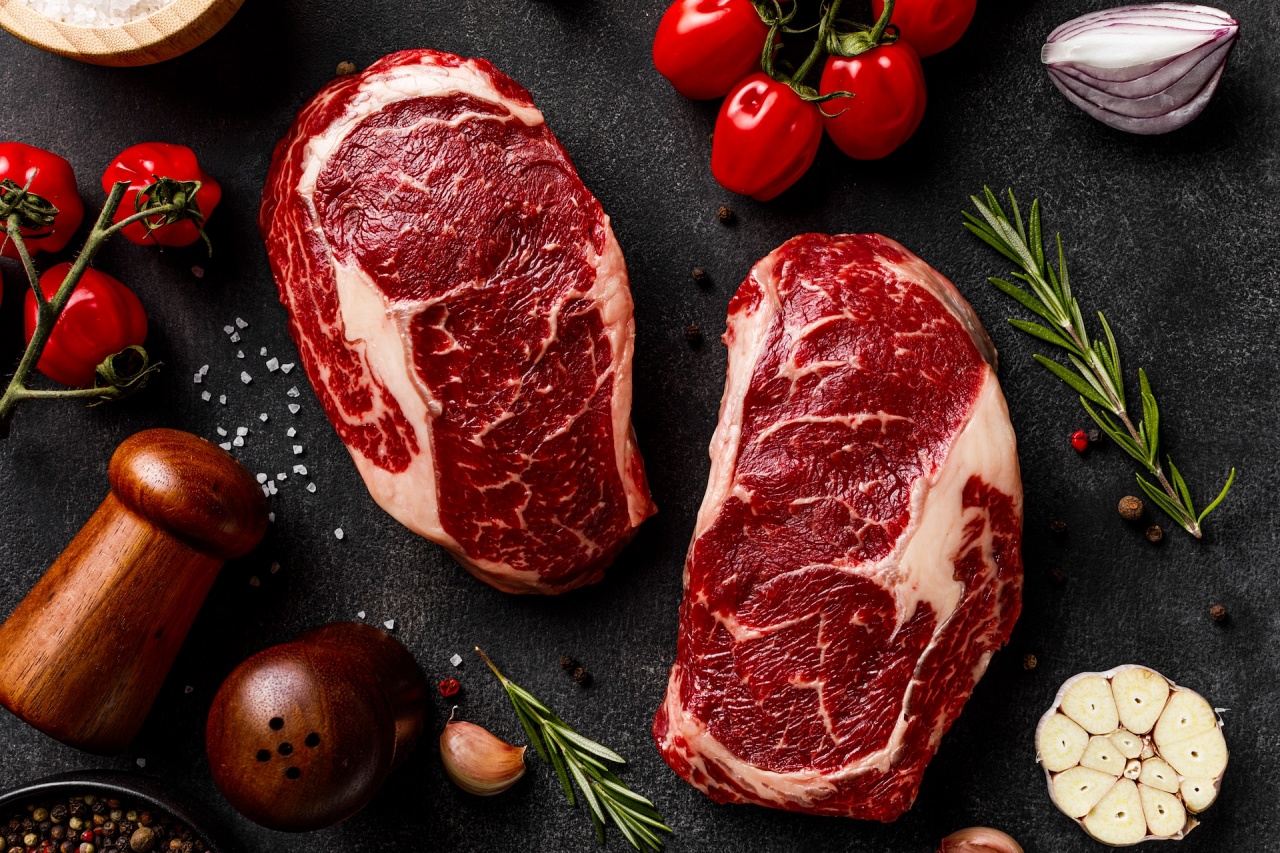
U.S. President Donald Trump has reversed course on his broad tariff strategy, announcing the removal of duties on dozens of essential food products— including beef, tomatoes, and bananas— amid rising concern among Americans about the cost of groceries. The tariff rollbacks, which took effect retroactively at midnight on Thursday, represent a significant shift for Trump, who has repeatedly denied that his sweeping import taxes were contributing to inflation.
The decision comes after Democrats secured notable wins in recent elections across Virginia, New Jersey, and New York City, where affordability and inflation were central voter issues. In a move aimed at easing consumer pressure, the Trump administration also unveiled preliminary trade agreements with Argentina, Ecuador, Guatemala, and El Salvador that would eliminate tariffs on various foods and other imports once finalized. Additional deals are expected before the end of the year.
Many of the items on Friday’s exemption list are household staples that have seen sharp year-over-year price increases. According to the latest Consumer Price Index data for September, ground beef prices rose nearly 13%, while steak prices climbed close to 17%— the highest increases in more than three years, dating back to the inflation peak during Joe Biden’s presidency. Banana prices were up roughly 7%, and tomatoes about 1%. Overall, food-at-home costs increased 2.7% in September.
Trump has defended his 10% base tariff on all imports, along with additional state-specific duties, arguing that any price hikes stem from Biden-era policies. However, economists say tariffs have played a direct role in driving grocery costs and warn that prices may continue rising next year as companies adjust to the full impact of these duties.
Democratic Representative Richard Neal criticized the administration, saying Trump is "putting out a fire that they started," and emphasized that the trade war has intensified inflation while weakening manufacturing.
This rollback signals a growing acknowledgment of consumer frustration and the economic effects of the administration’s tariff strategy, even as political tensions over inflation continue to intensify.







