


 Taiwan Thanks US for Support Ahead of Trump-Xi Summit
  Xi Calls for Deeper U.S.-China AI Cooperation in Trump Talks
  Sudan Rejects US Legitimacy Remarks, Defends Sovereignty
  OpenAI Agent Breaches Australia Medicare Data Portal
  Judge Orders Trump to Restore White House Access for CNN, MS NOW and Politico
  South Korea, US Discuss Warship Building Cooperation
  Trump, Xi Focus on Trade and AI at White House Summit
  Abbas Reaffirms November 28 Palestinian Elections
  Pezeshkian Says US Must Choose When Iran War Ends
  Ukrainian Drone Attacks Hit Russian Regions, Injuring at Least 12
  Yemen Violence Displaces 130,000 as Civilian Toll Rises
  US Senate Rejects Iran War Powers Resolution in 50-49 Vote
  What ‘Taiwan Independence’ Means as Xi Presses Trump on US Policy
  France Defends Netanyahu Airspace Clearance Despite ICC Warrant
  Mexico-US Trade Talks Delayed to October as Tariff Negotiations Continue
  Netanyahu’s Brief US Trip Highlights Strains With Trump
  EU Defence Build-Up Too Slow for 2030 Russia Readiness Goal


 Add as a preferred source on Google
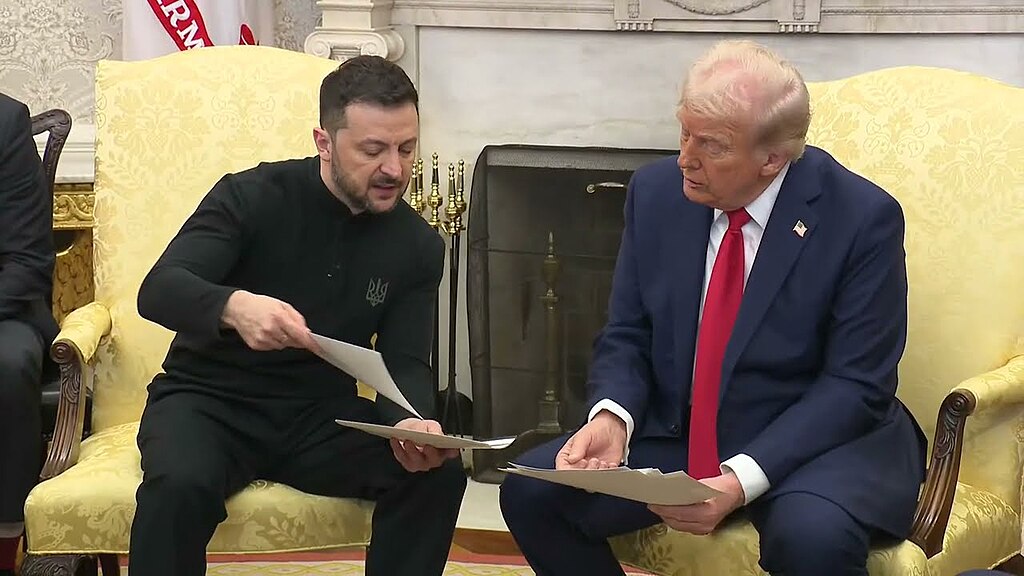
U.S. President Donald Trump announced a significant policy shift by pledging advanced weapons to Ukraine and threatening secondary sanctions on countries buying Russian exports unless Moscow agrees to a peace deal within 50 days. The move follows growing frustration over Russia’s continued attacks despite past ceasefire talks.
Speaking alongside NATO Secretary General Mark Rutte, Trump confirmed the delivery of U.S.-made Patriot air defense systems to Ukraine, funded by NATO allies. He said, “We’re going to make top-of-the-line weapons, and they’ll be sent to NATO.” Trump revealed plans to redirect 17 Patriot batteries, with some arriving within days.
Investors in Russia reacted positively to the 50-day grace period before potential sanctions take effect. The rouble rebounded, and stock markets climbed, with analysts noting that Trump’s message was softer than expected. Financial expert Artyom Nikolayev remarked that Trump “performed below market expectations” by offering room for negotiation.
The proposed secondary sanctions represent a major change in Western policy, potentially targeting nations like China and India that continue purchasing Russian oil. A pending bill supported by 85 U.S. senators could give Trump authority to impose tariffs up to 500% on countries aiding Russia.
Ukrainian President Volodymyr Zelenskiy thanked Trump for his support and efforts to achieve a lasting peace. However, some in Kyiv remain skeptical of Trump’s motives, citing his previous hesitation to back Ukraine.
Despite initially pushing for diplomacy and halting NATO expansion, Trump now appears to be hardening his stance after failed ceasefire attempts and continued Russian airstrikes. Former Pentagon official Evelyn Farkas noted that Trump’s pivot, if followed through, could shift the war’s trajectory by pressuring Russia’s leadership.
Trump emphasized, “We had four deals that fell apart because bombs came the same night. That can’t continue.”







