


 South Korea, US Discuss Warship Building Cooperation
  Wall Street Falls as Treasury Yields Surge, Oil Rebounds on Iran Tensions
  Russian Envoy Dmitriev Heads to US for Ukraine Talks
  Oil Prices Extend Losses as U.S.-Iran Talks Ease Supply Fears
  Venezuela Promises Elections as Delcy Rodriguez Pledges Democratic Transition
  Taiwan Vows to Advance US Arms Sales Ahead of Trump-Xi Meeting
  Russian Missile and Drone Attack on Kyiv Kills Two, Damages Maternity Hospital
  Russian Strikes Kill Eight Across Ukraine as Energy Sites Hit
  European Stocks Slip as Iran Tensions Offset Strong Eurozone Data
  Oil Prices Ease as Iran Tensions Clash With Diplomacy Hopes
  Sudan Rejects US Legitimacy Remarks, Defends Sovereignty
  US Stock Futures Fall as Treasury Yields Surge Ahead of Trump-Xi Summit
  Judge Orders Trump to Restore White House Access for CNN, MS NOW and Politico
  Japan Private-Sector Growth Slows as Domestic Demand Weakens
  RBA Says ASX Still Falls Short on Governance and Risk Controls
  Europe Warns Russia Is Escalating Hybrid Attacks Across NATO
  Taiwan Thanks US for Support Ahead of Trump-Xi Summit


 Add as a preferred source on Google
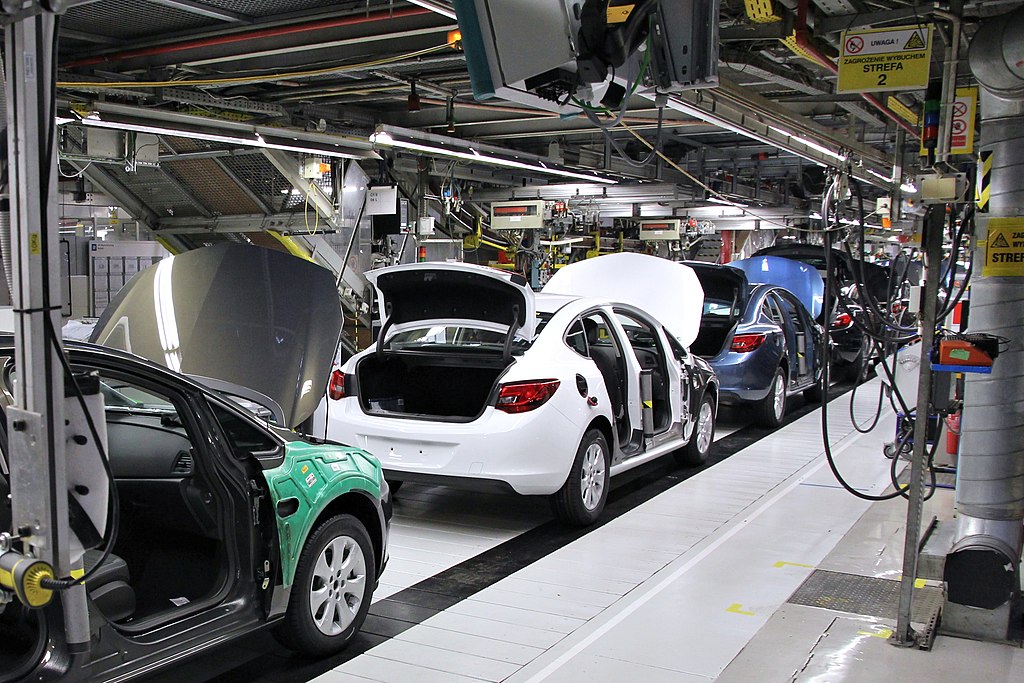
U.S. President Donald Trump announced plans to impose a 25% tariff on imported automobiles, along with steep duties on pharmaceuticals and semiconductor chips. The move, part of his broader trade agenda, is expected to take effect as early as April 2, following reports from his cabinet outlining tariff options.
Trump has long criticized foreign tariffs on U.S. automotive exports, particularly the European Union’s 10% vehicle import duty, which is four times the 2.5% U.S. rate on passenger cars. However, the U.S. already applies a 25% tariff on imported pickup trucks, making them highly profitable for domestic automakers.
Beyond auto tariffs, Trump signaled that levies on pharmaceuticals and semiconductor chips would begin at 25% and increase over the next year. While no official date was provided, he suggested companies should begin setting up U.S. manufacturing to avoid penalties.
Since taking office, Trump has aggressively reshaped trade policy, slapping a 10% tariff on all Chinese imports due to China’s failure to curb fentanyl trafficking. He also announced, then postponed, a 25% tariff on goods from Mexico and non-energy imports from Canada. Additionally, 25% tariffs on steel and aluminum imports are set to take effect on March 12, removing prior exemptions for key trading partners.
The auto industry, already grappling with trade uncertainty, faces further disruption. Trump previously considered similar car tariffs in 2018-2019 but did not act on them. Now, he has directed his team to implement reciprocal tariffs matching foreign rates product-by-product, signaling an aggressive new trade strategy.
These sweeping tariff measures could have major economic implications, heightening tensions with global trade partners while pressuring industries to shift production to the U.S.







