


 Venezuela Promises Elections as Delcy Rodriguez Pledges Democratic Transition
  Netanyahu Takes Aim at Mamdani as Israel Election Nears
  Trump Administration Plans Faster FDA Reviews for Smoke-Free Nicotine Products
  France Defends Netanyahu Airspace Clearance Despite ICC Warrant
  Netanyahu Defends Israel at UN as Delegates Stage Walkout
  US Invites Putin to Miami G20, Opening Door to Trump Summit
  EU Defence Build-Up Too Slow for 2030 Russia Readiness Goal
  Netanyahu’s Brief US Trip Highlights Strains With Trump
  Judge Orders Trump to Restore White House Access for CNN, MS NOW and Politico
  Gaza Faces Evacuation Crisis as War-Damaged Buildings Risk Collapse
  Kremlin Says No Decision Yet on Putin-Trump December Summit
  Russian Envoy Dmitriev Heads to US for Ukraine Talks
  US Officials Split Over Response to Israeli West Bank Settlements
  US Senate Rejects Iran War Powers Resolution in 50-49 Vote
  US, China Extend Trade Truce to Jan. 10 Ahead of Trump-Xi Summit
  Taiwan Thanks US for Support Ahead of Trump-Xi Summit
  North Korea Rejects Nuclear Test Warning, Calls Nuclear Status Irreversible


 Add as a preferred source on Google
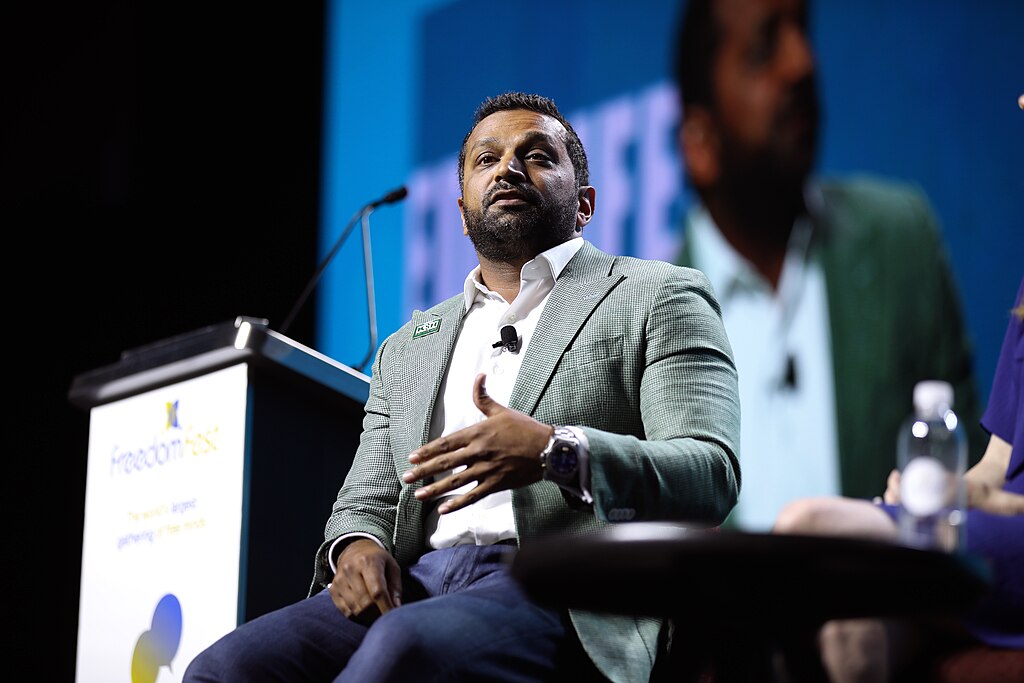
President-elect Donald Trump has sparked heated debate with his nomination of Kash Patel as the next director of the Federal Bureau of Investigation. Patel, a former deputy assistant to the president and chief of staff at the Department of Defense, is best known for his central role in exposing the “Russiagate” scandal, a controversy that continues to divide the nation.
Trump’s choice has drawn praise from loyalists and sharp criticism from opponents, who claim Patel lacks the traditional qualifications expected of an FBI director. The Washington establishment has labeled the move a departure from precedent, but Trump and his supporters argue Patel’s unique background makes him the ideal candidate to lead the bureau in a changing security landscape.
A New Vision for FBI Leadership
Kash Patel’s nomination signals a shift in priorities for the FBI under Trump’s leadership. Unlike previous directors, who typically hailed from judicial or prosecutorial backgrounds, Patel’s expertise lies in national security and counterterrorism. As deputy assistant to the president and senior director for counterterrorism at the National Security Council, Patel oversaw some of the most sensitive operations in U.S. history. His experience extends to managing intelligence, guiding military operations, and advising the president on high-stakes national security issues.
Supporters argue that Patel’s track record equips him to address the 21st-century challenges facing the FBI, including counterterrorism, cybersecurity, and espionage. Trump’s allies have praised the decision as a bold step toward modernizing the bureau’s approach to domestic and global threats.
Criticism From the Beltway Establishment
Critics, however, have been quick to question Patel’s qualifications. Washington insiders argue that his lack of direct law enforcement experience undermines his ability to lead the FBI effectively. They point to a long-standing tradition of appointing directors with prosecutorial or judicial expertise, suggesting that Patel’s background in national security deviates too far from this norm.
Some detractors also accuse Trump of politicizing the FBI with the appointment. They allege that Patel’s role in exposing the flaws of the “Russiagate” investigation reflects partisanship, rather than impartial dedication to justice.
Despite these objections, Trump and his supporters maintain that Patel’s nomination reflects a forward-thinking approach. They emphasize that Patel’s hands-on experience in counterterrorism and defense policy surpasses the conventional credentials of previous directors.
Public Reactions to Patel’s Nomination
The nomination has ignited fierce debate online, with opinions sharply divided:
- @NationalSecurityFan: “Kash Patel’s experience is exactly what the FBI needs in these times of escalating threats.”
- @JusticeMatters: “This is a dangerous precedent. Patel lacks the law enforcement background needed to run the FBI.”
- @MAGA2024: “Trump once again proves he puts America’s safety first with this bold and necessary choice.”
- @IndependentThinker: “Patel’s nomination will challenge the status quo, but is that a good or bad thing?”
- @PolicyExpert: “Unorthodox? Yes. But Patel’s experience could redefine what’s needed to lead the FBI in this era.”
- @CivilRightsAdvocate: “Politicizing the FBI will damage trust in law enforcement. This appointment is deeply troubling.”
A Pivotal Moment for the FBI
As Patel’s nomination heads to the Senate for confirmation, the decision will likely shape the future of the FBI. While his supporters argue his experience positions him as uniquely qualified, critics warn of the risks associated with breaking from tradition. Patel’s leadership could redefine the bureau’s role in addressing modern threats, marking a turning point for America’s top law enforcement agency.







