


 FDA Names Permanent Drug and Biologics Center Chiefs
  US Supreme Court Revives Trump Administration Voter Citizenship Database
  Saudi Arabia, Turkey and Pakistan Plan Urgent Defence Talks Over Houthi Attacks
  Iran Rejects Nuclear Concessions in Hormuz Deal
  Najib Razak Seeks Stay of 15-Year 1MDB Prison Sentence
  Pentagon Restarts Testosterone Testing for US Troops
  Trump, Xi Visit US National Archives After White House Summit
  ICE Agent Arrested in Minneapolis Over Venezuelan Man Shooting
  Evan Gershkovich Says FSB Set Trap for 2023 Russia Arrest
  North Korea Rejects Nuclear Test Warning, Calls Nuclear Status Irreversible
  Trump Scales Back Endangered Species Act Protections
  U.S. Imposes New Visa Restrictions Over South Africa Policies
  US Backs Musk in Fight Against EU’s €120 Million X Fine
  Appeals Court Rejects Trump Third-Country Deportation Policy
  What ‘Taiwan Independence’ Means as Xi Presses Trump on US Policy
  Trump Administration Removes Confederate Memorial Criticism From Arlington Website
  Saudi Arabia Seeks Military Support as Houthi Attacks Escalate


 Add as a preferred source on Google
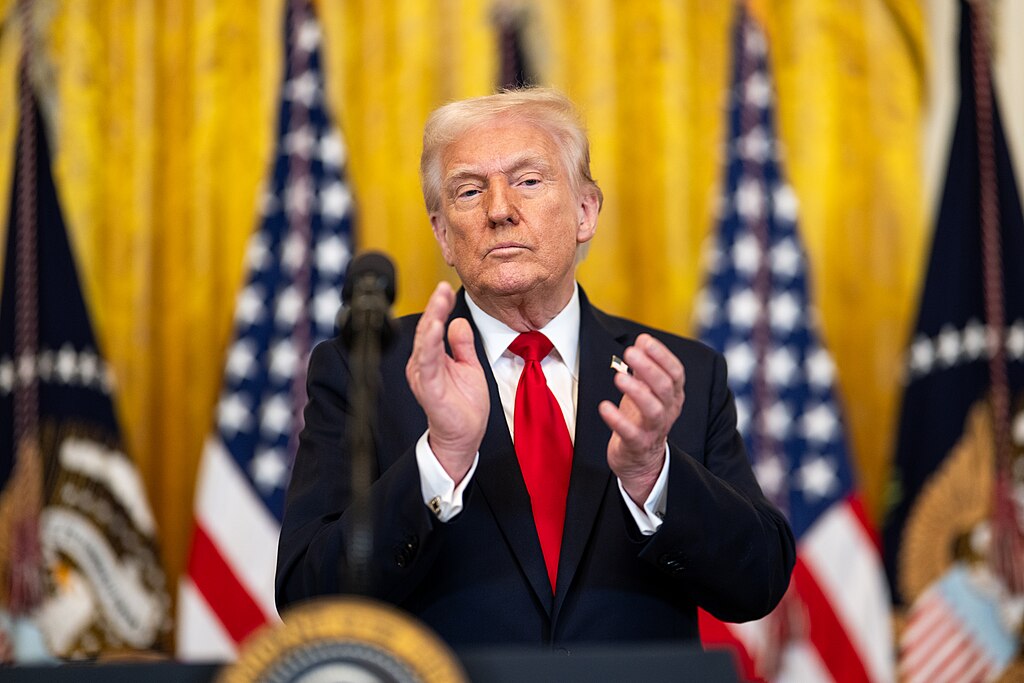
U.S. President Donald Trump announced Friday that he ordered two nuclear submarines to be deployed to “appropriate regions” following remarks by former Russian President Dmitry Medvedev about potential nuclear conflict. Trump called Medvedev’s statements “provocative” and said the move was to ensure U.S. security amid rising tensions with Moscow.
The announcement marks a sharp rhetorical escalation but not necessarily a military shift, analysts say, as U.S. nuclear-powered submarines are routinely deployed worldwide and remain capable of striking Russia at all times. The United States maintains 14 Ohio-class submarines, each armed with Trident II D5 ballistic missiles, with eight to ten typically at sea.
Medvedev, now deputy chairman of Russia’s Security Council, recently warned Trump to “remember” Moscow’s nuclear strike capabilities after Trump demanded Russia agree to a Ukraine ceasefire within ten days or face tariffs. Trump responded on social media, emphasizing the risks of “unintended consequences” from inflammatory rhetoric.
Security experts criticized Trump’s public comments, noting Washington has historically avoided nuclear threats to prevent escalation. “This is irresponsible,” said Daryl Kimball of the Arms Control Association. Hans Kristensen of the Federation of American Scientists added U.S. submarines are “always positioned,” calling Trump’s order largely symbolic.
While Trump’s remarks highlight his frustration with President Vladimir Putin’s failure to negotiate an end to the three-year Ukraine war, U.S. officials downplayed immediate risks of nuclear conflict. Analysts view the move as signaling rather than preparation for confrontation, with little expectation it will alter Russia’s stance on Ukraine peace talks.
The Kremlin has given no indication it will meet Trump’s August 8 deadline for a ceasefire. Putin said Friday Moscow favored continued negotiations but claimed battlefield momentum remains with Russia.







