


 Trump Scales Back Endangered Species Act Protections
  Saudi Arabia Shuts East-West Oil Pipeline After Drone Attack
  FDA Weighs Safety Standards for Psychedelic Therapies
  US 10-Year Treasury Yield at 6% Emerges as New Market Risk Threshold
  Xi Calls for Deeper U.S.-China AI Cooperation in Trump Talks
  Oil Prices Jump 3% as Houthi Attack Revives Supply Fears
  Oil Prices Surge as U.S.-Iran Diplomacy Hopes Fade
  Japanese Bank Stocks Surge as Bond Yields Fuel Rate Hike Bets
  What ‘Taiwan Independence’ Means as Xi Presses Trump on US Policy
  Saudi Arabia, Turkey and Pakistan Plan Urgent Defence Talks Over Houthi Attacks
  US Immigration Arrests Surge as Deportations Lag Behind
  European Stocks Fall as Bond Yields and Geopolitical Risks Weigh
  Trump Asks Supreme Court to Restore Third-Country Deportations
  Netanyahu’s Brief US Trip Highlights Strains With Trump
  Judge Orders Trump to Restore White House Access for CNN, MS NOW and Politico
  Synthetic data could ease people’s concerns about privacy breaches. But who gets to create it?


 Add as a preferred source on Google
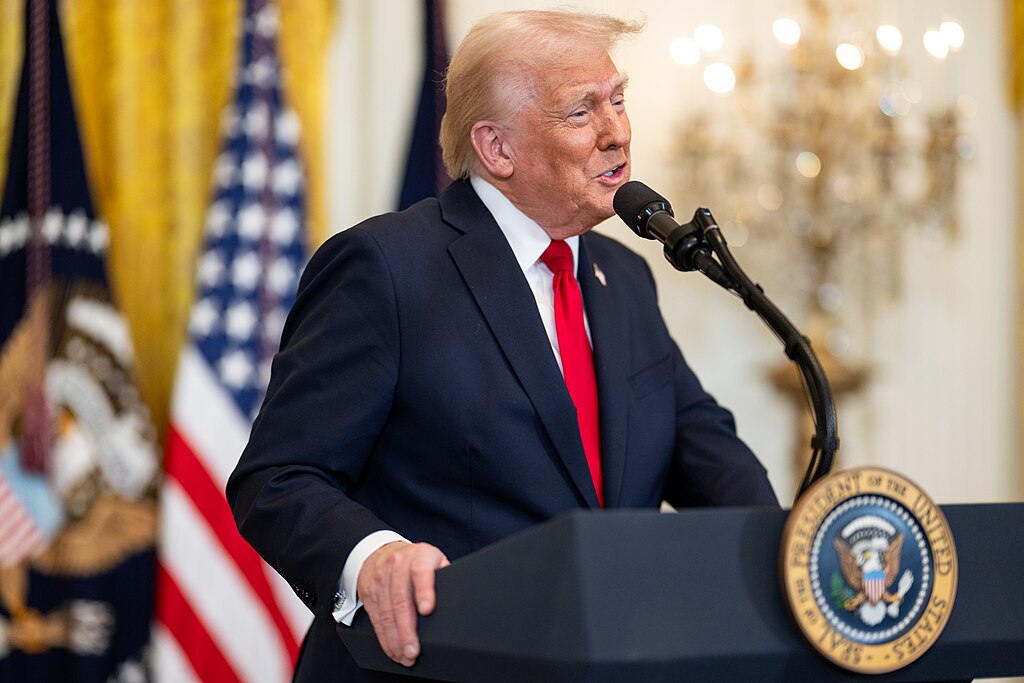
U.S. President Donald Trump announced that he has instructed his representatives to purchase $200 billion in mortgage-backed securities (MBS) through Fannie Mae and Freddie Mac, a move he says is aimed at lowering mortgage rates and making homeownership more affordable. The announcement, made via Trump’s Truth Social account, has sparked widespread discussion about housing affordability, mortgage rates, and government intervention in the housing market.
Trump stated that because he chose not to sell Fannie Mae and Freddie Mac during his first term, the government-sponsored enterprises are now worth “an absolute fortune” and have access to significant liquidity. He claimed the two firms collectively have $200 billion available to deploy toward mortgage bond purchases, arguing that such action would directly reduce monthly mortgage payments and ease the financial burden on homebuyers.
Federal Housing Finance Agency (FHFA) Director Bill Pulte confirmed that Fannie Mae and Freddie Mac will carry out the purchases, though he declined to provide specific details about the timing or structure of the transactions. While recent SEC filings show the two entities held less than $17 billion in cash as of September 30, Pulte said they have ample liquidity when accounting for restricted cash and short-term securities. According to balance sheet data, Fannie Mae has roughly $100.9 billion in available liquidity, while Freddie Mac holds about $90.9 billion when including securities purchased under resale agreements.
Housing affordability has become a central political issue as Americans continue to grapple with high home prices and elevated borrowing costs. Although Trump has at times downplayed affordability concerns, his approval ratings have reportedly softened amid economic anxiety. The proposed mortgage bond purchases echo the Federal Reserve’s quantitative easing efforts during the COVID-19 pandemic, though experts say the impact would be more modest. Redfin economist Chen Zhao estimates the move could lower mortgage rates by 10 to 15 basis points, noting that recent declines from around 7% to the low 6% range have not significantly boosted housing demand.
Unlike the Fed’s past interventions, the MBS purchases would not involve newly created money or Treasury support, relying instead on Fannie Mae and Freddie Mac’s existing liquidity. Trump has also signaled additional housing initiatives, including restrictions on institutional investors buying single-family homes, with more announcements expected at the World Economic Forum in Davos.







