


 US Immigration Arrests Surge as Deportations Lag Behind
  Judge Orders Trump to Restore White House Access for CNN, MS NOW and Politico
  US Judge Dismisses Imran Ahmed Deportation Lawsuit
  White House Bars CNN, MS NOW and Politico Reporters
  Najib Razak Seeks Stay of 15-Year 1MDB Prison Sentence
  Saudi Arabia Shuts East-West Oil Pipeline After Drone Attack
  NATO Boosts Intelligence Sharing Amid Russia Hybrid Threats
  Kremlin Says No Decision Yet on Putin-Trump December Summit
  Trump Scales Back Endangered Species Act Protections
  Trump, Xi Visit US National Archives After White House Summit
  Xi Calls for Deeper U.S.-China AI Cooperation in Trump Talks
  Judge Blocks Trump Rule Limiting Foreign Student Visas
  FAA Allows Boeing to Sell 35 More 777F Freighters Beyond 2028
  Trump Administration Plans Faster FDA Reviews for Smoke-Free Nicotine Products
  Netanyahu Takes Aim at Mamdani as Israel Election Nears
  Netanyahu’s Brief US Trip Highlights Strains With Trump
  EU Defence Build-Up Too Slow for 2030 Russia Readiness Goal


 Add as a preferred source on Google
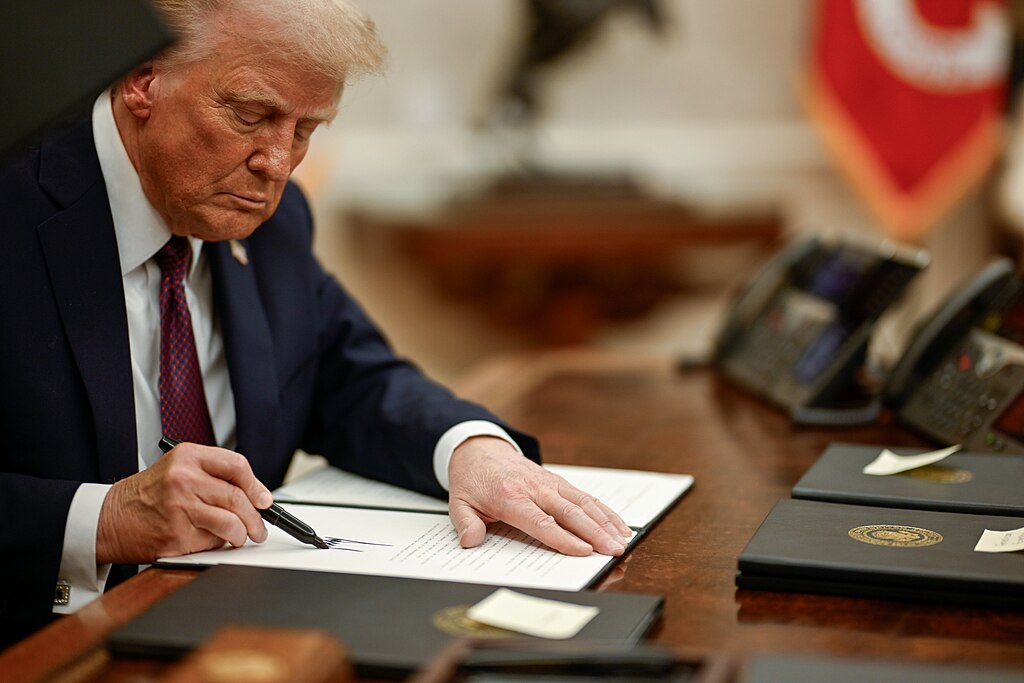
President Donald Trump has signed a new immigration order barring entry to nationals from 12 countries, citing national security and visa overstay concerns. The affected countries include Afghanistan, Burma, Chad, the Republic of the Congo, Equatorial Guinea, Eritrea, Haiti, Iran, Libya, Somalia, Sudan, and Yemen.
In a statement posted on Truth Social, Trump said the move was prompted by a recent terror attack in Boulder, Colorado. The attacker, born in Egypt, had entered the U.S. on a tourist visa in 2022, later applied for asylum, and remained in the country illegally after his work authorization expired. Trump blamed weak immigration enforcement and inadequate vetting for the incident.
The proclamation also imposes partial entry restrictions on nationals from seven additional countries: Burundi, Cuba, Laos, Sierra Leone, Togo, Turkmenistan, and Venezuela. Trump cited either national security threats or high visa overstay rates as justification for the restrictions.
Trump emphasized that individuals who overstay visas or exploit temporary legal pathways present “extreme dangers” to the country. He stated, “We don’t want them,” while criticizing the Biden administration for its handling of immigration enforcement.
This latest directive is part of Trump’s broader immigration crackdown, which has included sweeping arrests and deportations. It also revives elements of his first-term travel ban, which targeted several Muslim-majority nations and was later repealed by President Joe Biden, who called it discriminatory.
Trump’s renewed immigration policies are expected to be a central focus of his 2024 campaign, appealing to voters concerned about border security and illegal immigration.
This order marks a significant step in Trump's ongoing efforts to reshape U.S. immigration policy and tighten entry requirements amid rising concerns over national safety and visa abuse.







