


 Trump’s Arlington Arch Project Faces New Court Restrictions
  Israeli Strikes Kill Four in Gaza, Including Two Children
  Ecuador Backs U.S. Sinking of Vessels in Pacific Anti-Drug Operation
  Oil Prices Rise as Hormuz Tensions Threaten Supply
  Russia Eyes Putin-Trump-Xi Trilateral Meeting at China APEC Summit
  AfD Eyes Historic Win in Saxony-Anhalt Election
  Iran Vows Tougher Response as U.S. Sanctions Squeeze Economy
  Japan, U.S. Stay Aligned on Yen as Currency Surges
  US Stock Futures Mixed as Fed Rate Hike Bets Rise
  EU to Boost Greenland Investment Amid Trump Pressure
  OPEC+ Expected to Hold October Oil Output Steady
  Trump Peace Envoys Meet Zelenskiy in Kyiv After Putin Talks
  ECB Set for September Rate Hike as Energy Prices Fuel Inflation
  Asian Stocks Rally as AI Optimism Fuels Chipmaker Surge
  Gold Prices Rise as Yen Rally Weakens Dollar
  Australia Plans New Rules Giving Users Control Over Social Media Feeds


 Add as a preferred source on Google
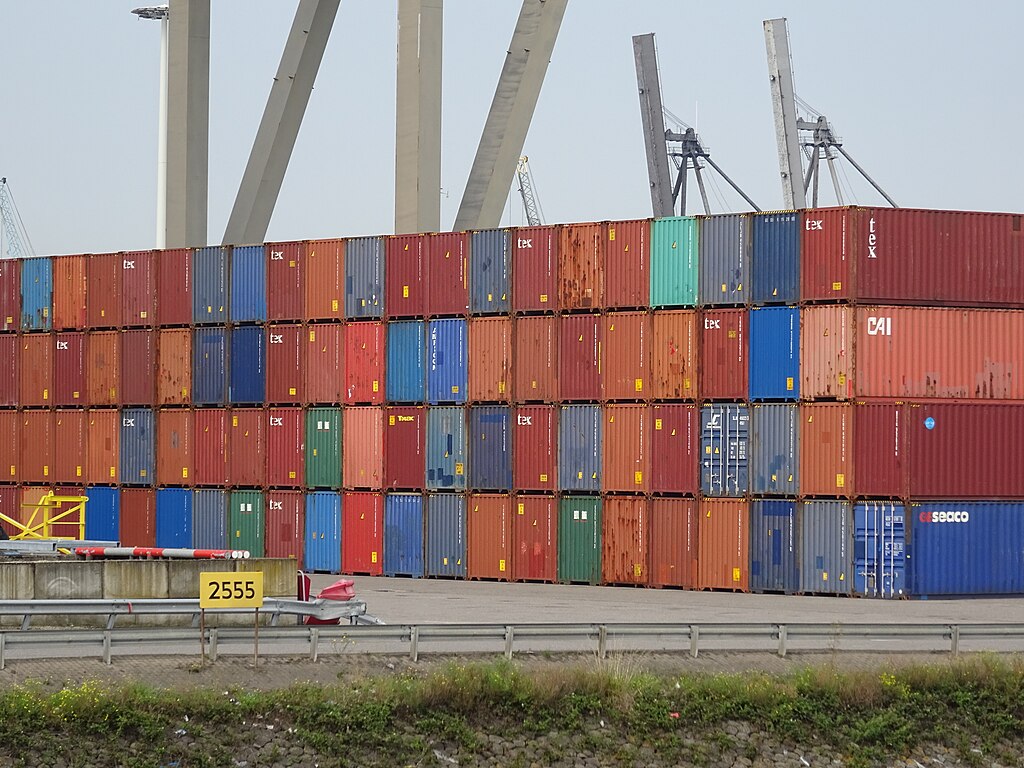
U.S. President Donald Trump has announced a 50% tariff on most Brazilian imports in response to what he calls a “witch hunt” against former President Jair Bolsonaro. The move, one of the steepest tariffs in recent U.S. trade policy, coincides with sanctions targeting Brazilian Supreme Court Justice Alexandre de Moraes, who oversees Bolsonaro’s coup-plot trial.
The tariffs, effective August 6, exclude major sectors such as civil aircraft, energy, pig iron, wood pulp, and fertilizers—an exemption likely aimed at protecting U.S. companies reliant on these imports. Embraer and Suzano, two major Brazilian exporters, saw their shares rise following the announcement as their industries were shielded from the steepest duties.
Brazil’s government, led by President Luiz Inácio Lula da Silva, expressed relief but stressed the impact remains significant, particularly for beef and coffee exporters. The American Chamber of Commerce for Brazil reported that 43.4% of Brazilian exports to the U.S. by value were exempted, covering roughly 700 products. However, key sectors like beef and coffee face severe losses, with Brazil’s beef industry estimating $1 billion in damages for the second half of 2025.
Diplomatic tensions have escalated, with Brazilian Foreign Minister Mauro Vieira meeting U.S. Secretary of State Marco Rubio to seek tariff negotiations, though he ruled out linking Bolsonaro’s legal troubles to trade talks. Analysts argue the exemptions reflect effective Brazilian lobbying while critics in the U.S. label the tariffs politically motivated and harmful to consumers, warning of higher coffee prices and broader trade disruptions.
The tariffs underscore rising geopolitical friction as Trump uses economic measures to influence foreign legal proceedings, reshaping U.S.-Brazil relations amid ongoing political and trade volatility.







