


 France Defends Netanyahu Airspace Clearance Despite ICC Warrant
  Who should own the knowledge that underpins AI technology?
  U.S. Imposes New Visa Restrictions Over South Africa Policies
  Trump Administration Plans Faster FDA Reviews for Smoke-Free Nicotine Products
  Trump Bans CNN, MS NOW and Politico From White House
  Colombia Extradites FARC Dissident Leader ‘Spider’ to US
  Synthetic data could ease people’s concerns about privacy breaches. But who gets to create it?
  Australia Tightens Student Visa Rules, Targets Migration Cut by 2028
  Pentagon Restarts Testosterone Testing for US Troops
  Ukrainian Drone Attacks Hit Russian Regions, Injuring at Least 12
  US Immigration Arrests Surge as Deportations Lag Behind
  Xi Calls for Deeper U.S.-China AI Cooperation in Trump Talks
  Judge Blocks Trump Rule Limiting Foreign Student Visas
  Netanyahu’s Brief US Trip Highlights Strains With Trump
  Trump Warns China Against Supporting Iran in Xi Talks
  What ‘Taiwan Independence’ Means as Xi Presses Trump on US Policy
  Trump, Xi Visit US National Archives After White House Summit


 Add as a preferred source on Google
U.S. President Donald Trump’s administration has frozen $26 billion in funding for Democratic-leaning states during the ongoing government shutdown, escalating partisan tensions in Washington. The freeze impacts $18 billion allocated for transit projects in New York—home to top Democrats Chuck Schumer and Hakeem Jeffries—and $8 billion in green energy initiatives across 16 Democratic-led states, including California and Illinois.
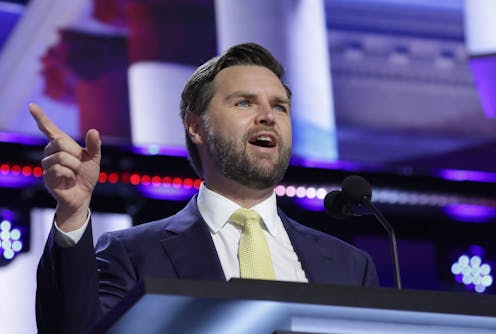
Vice President JD Vance warned that the administration may extend layoffs if the shutdown continues beyond a few days, adding to 300,000 job cuts already planned by December. Around 750,000 federal workers have been furloughed, while essential employees such as military personnel and Border Patrol agents are working without pay. Agencies including the Department of Veterans Affairs and the U.S. Patent and Trademark Office have already scaled back operations, with the latter announcing layoffs of 1% of its workforce.
Democrats have sharply criticized Trump’s actions. Schumer accused the president of using Americans as “pawns” and engaging in “blackmail,” while Jeffries warned of job losses tied to halted infrastructure projects. Republicans remain divided: Senator Thom Tillis voiced concerns about worsening negotiations, but Senate Leader John Thune dismissed the freeze, urging Democrats to reopen the government.
Both parties continue to clash over funding bills. Republicans, who control the Senate 53-47, failed to secure enough Democratic support to pass a stopgap measure. Democrats, meanwhile, are pushing for healthcare protections and safeguards to prevent Trump from bypassing spending laws. The shutdown, the 15th since 1981, has suspended critical activities from scientific research to environmental cleanups.
The standoff highlights deep partisan divides ahead of the 2026 midterm elections, with each side blaming the other for the crisis. Democrats accuse Republicans of deliberately prolonging the shutdown, while Republicans insist Democrats are obstructing government funding. The shutdown also raises concerns over the $37.5 trillion U.S. debt and the broader stability of federal operations.







