


 U.S. 10-Year Treasury Yield Hits 2007 High as Fed Rate Hike Bets Rise
  Trump Asks Supreme Court to Restore Third-Country Deportations
  Trump, Xi Focus on Trade and AI at White House Summit
  Fed Unveils Stablecoin Rules Under GENIUS Act
  Oil Prices Ease as Iran Tensions Clash With Diplomacy Hopes
  South Korea, US Discuss Warship Building Cooperation
  Yemen Violence Displaces 130,000 as Civilian Toll Rises
  Oil Prices Jump 3% as Houthi Attack Revives Supply Fears
  Saudi Arabia, Turkey and Pakistan Plan Urgent Defence Talks Over Houthi Attacks
  Russian Missile and Drone Attack on Kyiv Kills Two, Damages Maternity Hospital
  Pezeshkian Says US Must Choose When Iran War Ends
  Sudan Rejects US Legitimacy Remarks, Defends Sovereignty
  China’s ‘Lipstick King’ Says AI Won’t Replace Livestream Hosts
  Russian Envoy Dmitriev Heads to US for Ukraine Talks
  North Korea Rejects Nuclear Test Warning, Calls Nuclear Status Irreversible
  RBI Uses $10 Billion Currency Swaps to Drain Excess Rupee Liquidity
  Wall Street Falls as Treasury Yields Surge, Oil Rebounds on Iran Tensions


 Add as a preferred source on Google
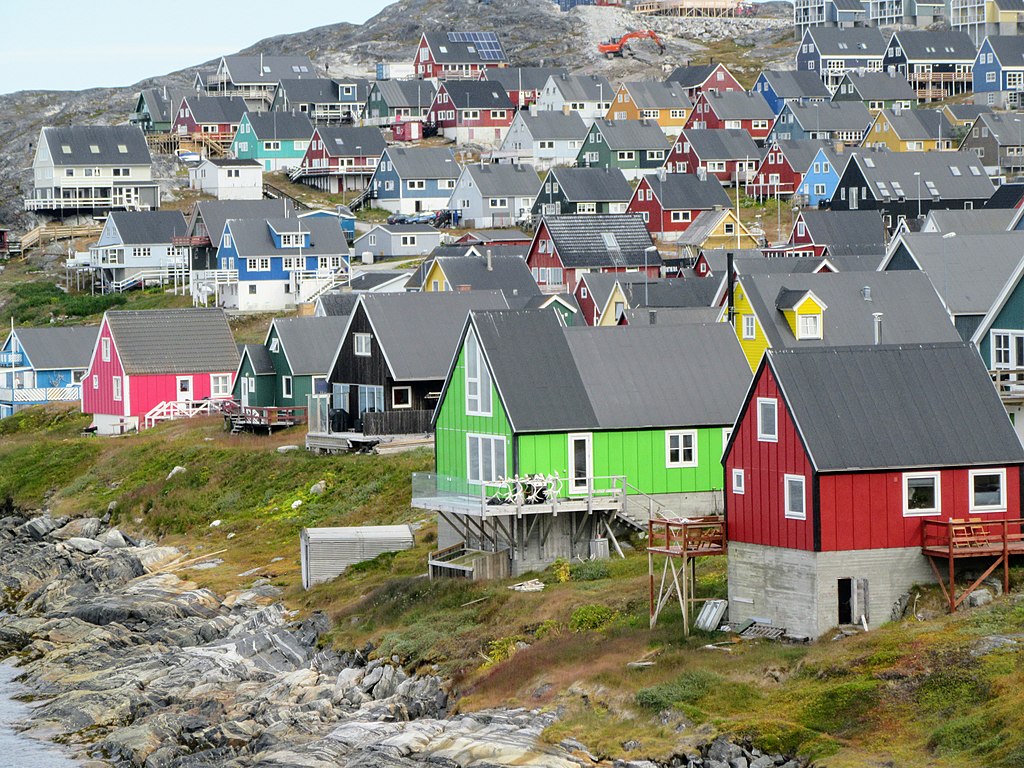
U.S. President Donald Trump has withdrawn a controversial threat to impose tariffs on several countries following discussions over Greenland, signaling a potential diplomatic breakthrough with NATO. The announcement came on Wednesday after Trump met with NATO Secretary General Mark Rutte during the World Economic Forum in Davos, Switzerland, easing tensions that had recently drawn international attention.
In a post on his Truth Social platform, Trump said he would no longer move forward with the tariffs that were scheduled to take effect on February 1. According to the president, the decision was based on the outlines of an agreement reached with NATO regarding Greenland’s future, though he stopped short of providing specific details. The tariff threat had reportedly been linked to the positions taken by certain nations concerning Greenland, a strategically important Arctic territory.
Trump’s statement suggested that progress had been made behind closed doors, marking a shift from earlier rhetoric that had raised concerns among U.S. allies. “Based upon this understanding, I will not be imposing the tariffs,” Trump wrote, emphasizing that the negotiations had resulted in a framework acceptable enough to pause economic retaliation.
Greenland has long been viewed as geopolitically significant due to its location in the Arctic, growing military importance, and potential access to natural resources. Any discussion involving its future is closely watched by NATO members, especially as global competition in the Arctic intensifies. While Trump did not clarify whether the deal involved security arrangements, economic cooperation, or political assurances, his decision to withdraw the tariffs indicates a willingness to resolve the matter through diplomacy rather than trade pressure.
The meeting with NATO’s leadership in Davos underscores the role of high-level international forums in shaping global policy outcomes. Analysts say Trump’s move could help stabilize relations with allies who were concerned about the potential economic fallout of new U.S. tariffs. For now, the announcement has reduced uncertainty ahead of the February deadline, though questions remain about the long-term implications of the NATO understanding on Greenland.
As global markets and policymakers await further details, Trump’s decision highlights the continued intersection of trade policy, international security, and Arctic geopolitics in U.S. foreign relations.







