


 Synthetic data could ease people’s concerns about privacy breaches. But who gets to create it?
  US Backs Musk in Fight Against EU’s €120 Million X Fine
  NATO Boosts Intelligence Sharing Amid Russia Hybrid Threats
  Trump, Xi Visit US National Archives After White House Summit
  Judge Orders Trump to Restore White House Access for CNN, MS NOW and Politico
  Appeals Court Rejects Trump Third-Country Deportation Policy
  FDA Weighs Safety Standards for Psychedelic Therapies
  Taiwan Thanks US for Support Ahead of Trump-Xi Summit
  What ‘Taiwan Independence’ Means as Xi Presses Trump on US Policy
  Netanyahu’s Brief US Trip Highlights Strains With Trump
  US Bans Canadian Alcohol, Motorcycles as Trade War Escalates
  US Immigration Arrests Surge as Deportations Lag Behind
  Who should own the knowledge that underpins AI technology?
  Saudi Arabia Shuts East-West Oil Pipeline After Drone Attack
  White House Bars CNN, MS NOW and Politico Reporters
  Yemen Violence Displaces 130,000 as Civilian Toll Rises
  North Korea Warns South Korea Over US-Led Defense Role


 Add as a preferred source on Google
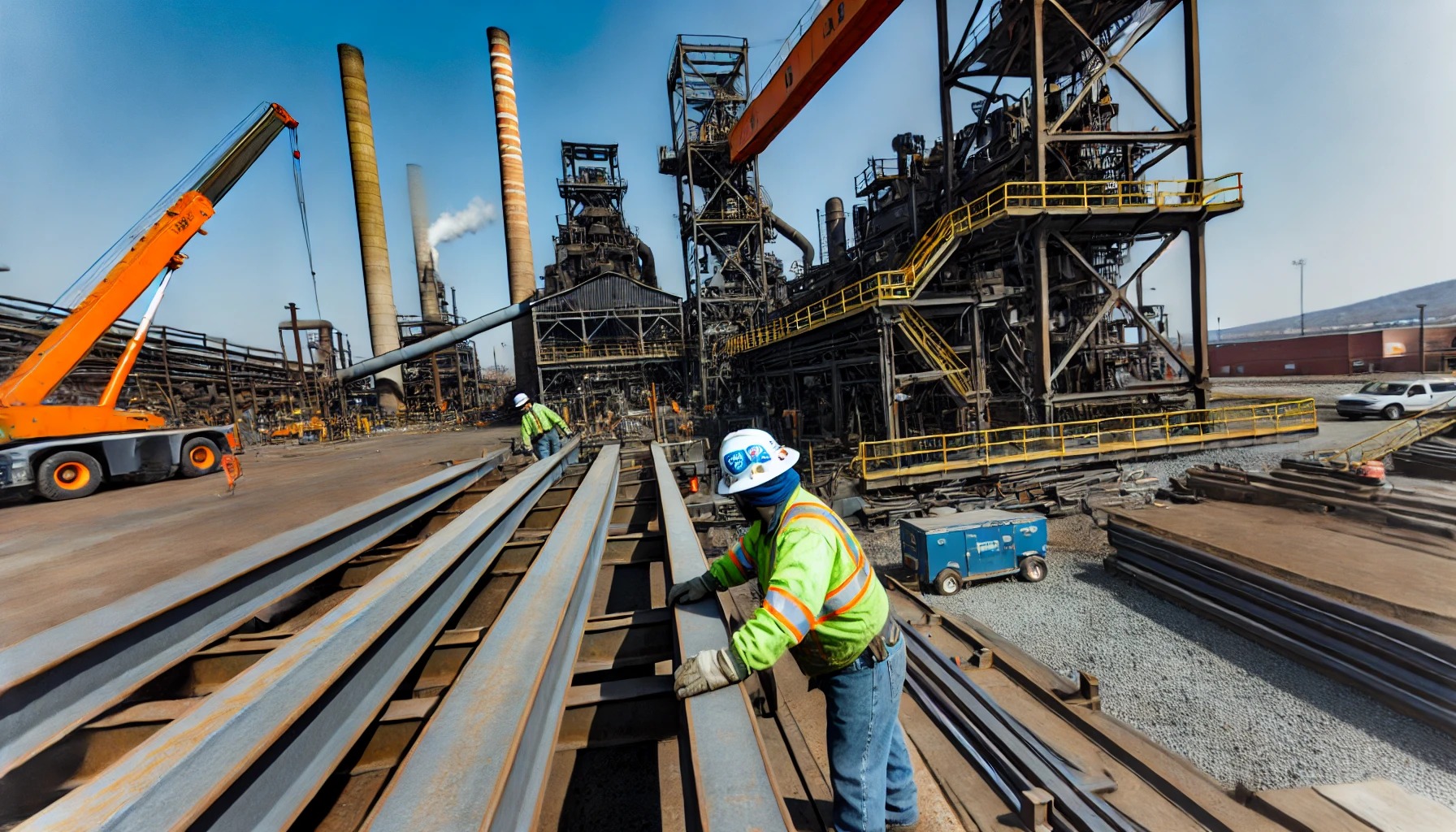
U.S. President Donald Trump has officially raised tariffs on steel and aluminum imports from 25% to 50%, citing national security concerns. The new duties, effective Wednesday, target both raw materials and derivative products. Trump stated the move aims to reduce America’s reliance on foreign metals and enhance the competitiveness of domestic producers.
In a proclamation published on the White House website, Trump said that unchecked steel and aluminum imports could "threaten to impair national security" and that higher tariffs would deter unfair trade practices like dumping. The revised tariffs also include downstream products made from these metals.
Notably, the United Kingdom will be exempt from the increased tariffs due to a prior trade agreement signed in early May. Imports from the UK will continue to be taxed at the original 25% rate.
While the administration claims the tariffs will benefit U.S. metal manufacturers, critics warn of higher costs for American businesses that depend on imported steel and aluminum. These additional costs are likely to be passed on to manufacturers and consumers, potentially weakening sectors such as automotive, construction, and heavy equipment.
Analysts note that transitioning to more domestic production could take years, with high upfront investments and infrastructure delays posing challenges. In the meantime, U.S. importers are expected to bear the brunt of rising expenses, adding pressure to local supply chains.
The tariff hike comes amid renewed trade tensions and marks a significant escalation in Trump’s protectionist trade policy. As industries brace for increased operational costs, the long-term impact on American manufacturing remains uncertain.







