


 Abbas Reaffirms November 28 Palestinian Elections
  Ghana Says Western Support Growing for Slave Trade Reparations
  NATO Boosts Intelligence Sharing Amid Russia Hybrid Threats
  France Defends Netanyahu Airspace Clearance Despite ICC Warrant
  Netanyahu Takes Aim at Mamdani as Israel Election Nears
  US Officials Split Over Response to Israeli West Bank Settlements
  Russian Envoy Dmitriev Heads to US for Ukraine Talks
  Pezeshkian Says US Must Choose When Iran War Ends
  US Invites Putin to Miami G20, Opening Door to Trump Summit
  Russian Missile and Drone Attack on Kyiv Kills Two, Damages Maternity Hospital
  Europe Warns Russia Is Escalating Hybrid Attacks Across NATO
  Trump Asks Supreme Court to Restore Third-Country Deportations
  North Korea Rejects Nuclear Test Warning, Calls Nuclear Status Irreversible
  US Backs Musk in Fight Against EU’s €120 Million X Fine
  US Senate Rejects Iran War Powers Resolution in 50-49 Vote
  South Korea, US Discuss Warship Building Cooperation
  Netanyahu’s Brief US Trip Highlights Strains With Trump


 Add as a preferred source on Google
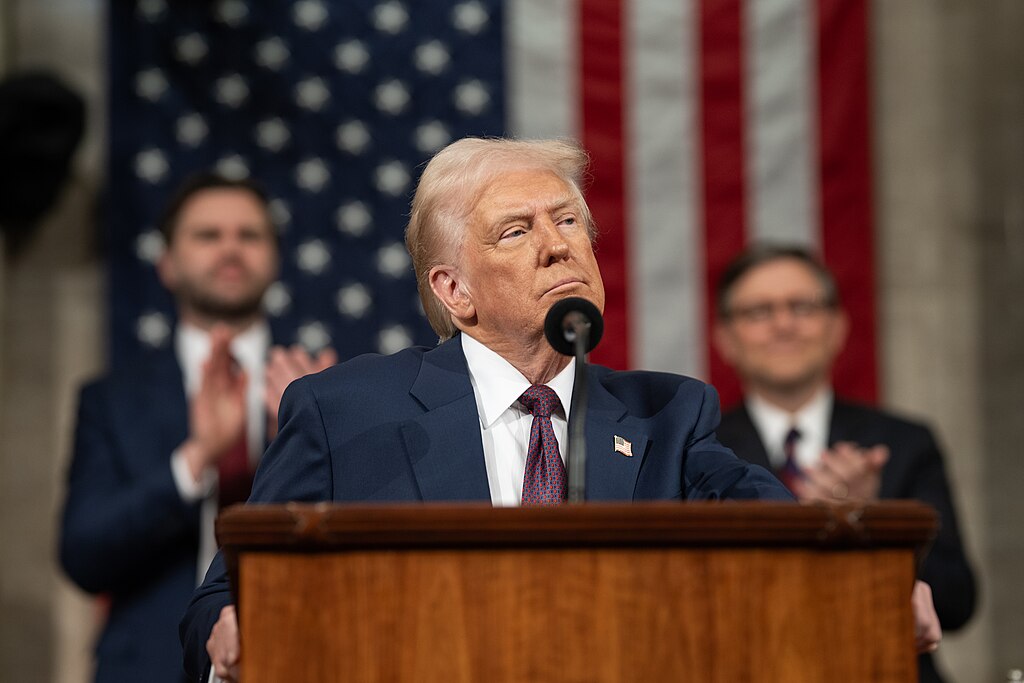
President Donald Trump signaled indifference toward renewed diplomacy with Iran on Sunday, telling reporters at Joint Base Andrews, "I don't care if they come back or not, if they don't come back, we're fine." His remarks followed the collapse of high-stakes ceasefire negotiations in Islamabad, marking a sharp escalation in U.S.-Iran tensions.
The Islamabad summit represented the most direct, senior-level engagement between American and Iranian officials since 1979. Despite 21 hours of face-to-face dialogue on Saturday, the two sides failed to reach an agreement. Vice President JD Vance confirmed that Washington had clearly laid out its position, but Tehran declined to accept the terms.
U.S. demands reportedly included a complete halt to Iran's uranium enrichment program, the dismantling of key nuclear infrastructure, the surrender of highly enriched uranium stockpiles, the unconditional reopening of the Strait of Hormuz, and an end to Iranian support for proxy groups such as Hezbollah and the Houthis. Iran countered with proposals for limited enrichment or stockpile reductions, but no compromise was reached.
In response to the breakdown, Trump announced a U.S. naval blockade on all maritime traffic entering and leaving Iranian ports, effective 10 AM ET on April 13. U.S. Central Command confirmed the blockade would cover vessels of all nationalities operating in the Arabian Gulf and Gulf of Oman. Iranian Parliament Speaker Mohammad Bagher Qalibaf immediately pushed back, warning Trump directly, "If you fight, we will fight."
The Wall Street Journal reported that regional governments and third-party nations are still working behind the scenes to revive talks, with a second negotiation round potentially on the horizon. A fragile two-week ceasefire, announced just days earlier, remains in place but increasingly uncertain.
Trump also lashed out at NATO for failing to support the U.S. position on Iran, hinting that Washington may be reassessing its commitment to the alliance.







