


 North Korea Warns South Korea Over US-Led Defense Role
  Netanyahu’s Brief US Trip Highlights Strains With Trump
  NATO Boosts Intelligence Sharing Amid Russia Hybrid Threats
  Trump Asks Supreme Court to Restore Third-Country Deportations
  Mexico-US Trade Talks Delayed to October as Tariff Negotiations Continue
  Kremlin Says No Decision Yet on Putin-Trump December Summit
  US Backs Musk in Fight Against EU’s €120 Million X Fine
  North Korea Rejects Nuclear Test Warning, Calls Nuclear Status Irreversible
  Netanyahu Takes Aim at Mamdani as Israel Election Nears
  US, China Extend Trade Truce to Jan. 10 Ahead of Trump-Xi Summit
  US Invites Putin to Miami G20, Opening Door to Trump Summit
  Russian Missile and Drone Attack on Kyiv Kills Two, Damages Maternity Hospital
  France Defends Netanyahu Airspace Clearance Despite ICC Warrant
  South Korea, US Discuss Warship Building Cooperation
  Ghana Says Western Support Growing for Slave Trade Reparations
  Trump, Xi Focus on Trade and AI at White House Summit
  Pezeshkian Says US Must Choose When Iran War Ends


 Add as a preferred source on Google
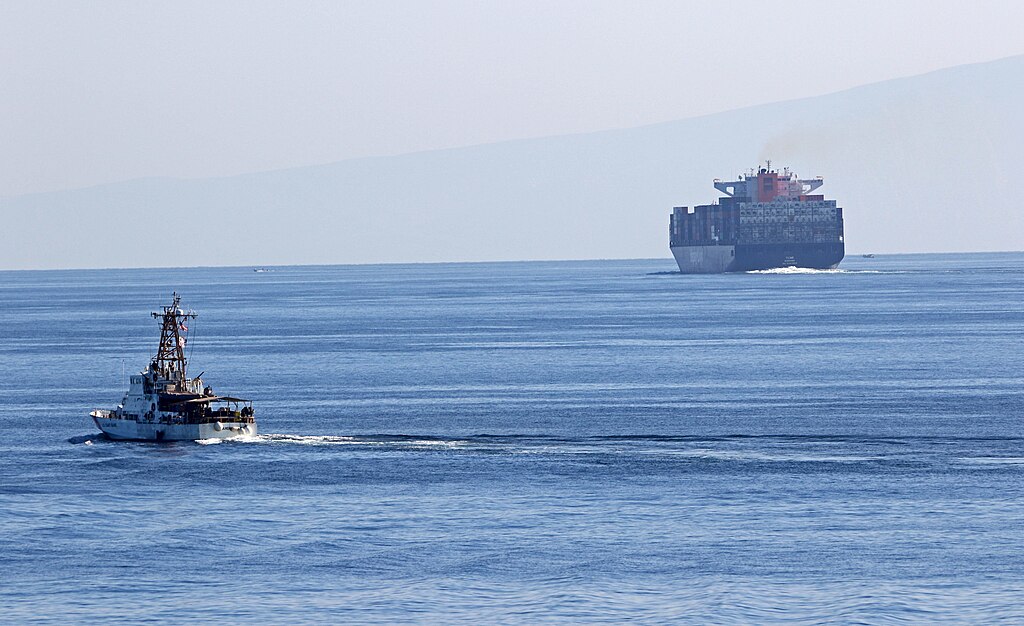
A major obstacle has surfaced in efforts to reopen the Strait of Hormuz after Iran admitted it can no longer locate or recover all of the naval mines it deployed in the critical waterway, according to a New York Times report confirmed by U.S. officials. The disclosure threatens to unravel President Trump's demand for a complete and immediate reopening of the strait as a condition for a two-week ceasefire agreement.
The Iranian Islamic Revolutionary Guards Corps reportedly used hundreds of small, hard-to-detect vessels to scatter mines across the strait following the outbreak of the conflict. U.S. intelligence indicates the operation was poorly coordinated, with many mine positions left undocumented. Making matters worse, a significant number of devices were deployed in ways that allowed them to drift from their original locations, rendering Tehran's previously published navigation charts unreliable and dangerous for commercial use.
Iranian Foreign Minister Abbas Araghchi publicly acknowledged these technical constraints earlier this week, suggesting that while Iran may be open to easing the blockade diplomatically, it simply lacks the specialized minesweeping equipment needed to certify safe passage. Global shipping companies are unlikely to resume normal operations through the channel — which carries roughly 15% of the world's oil supply — without a verified mine-free clearance.
The crisis is expected to take center stage when Vice President JD Vance leads a U.S. delegation to peace talks with Iranian negotiators in Pakistan. Analysts warn that neither side currently possesses the rapid mine-clearing capabilities needed for a swift resolution. As a result, energy markets should brace for sustained volatility, with any gradual reopening of the strait anticipated to stretch across several months and keep global supply chains on edge well into mid-2026.







