


 North Korea Rejects Nuclear Test Warning, Calls Nuclear Status Irreversible
  France Defends Netanyahu Airspace Clearance Despite ICC Warrant
  Soybean Futures Slip as Traders Await Trump-Xi Trade Signals
  US Stock Futures Fall as Treasury Yields Surge Ahead of Trump-Xi Summit
  Wall Street Ends Flat as Oil, Treasury Yields and Fed Jitters Rattle Markets
  Netanyahu Defends Israel at UN as Delegates Stage Walkout
  Pezeshkian Says US Must Choose When Iran War Ends
  US, China Extend Trade Truce to Jan. 10 Ahead of Trump-Xi Summit
  Judge Orders Trump to Restore White House Access for CNN, MS NOW and Politico
  China’s ‘Lipstick King’ Says AI Won’t Replace Livestream Hosts
  South Korea, US Discuss Warship Building Cooperation
  What ‘Taiwan Independence’ Means as Xi Presses Trump on US Policy
  RBI Uses $10 Billion Currency Swaps to Drain Excess Rupee Liquidity
  Najib Razak Seeks Stay of 15-Year 1MDB Prison Sentence
  Trump Asks Supreme Court to Restore Third-Country Deportations
  Dollar Holds Near Two-Month High as Yen Approaches 160
  Ukrainian Drone Attacks Hit Russian Regions, Injuring at Least 12


 Add as a preferred source on Google
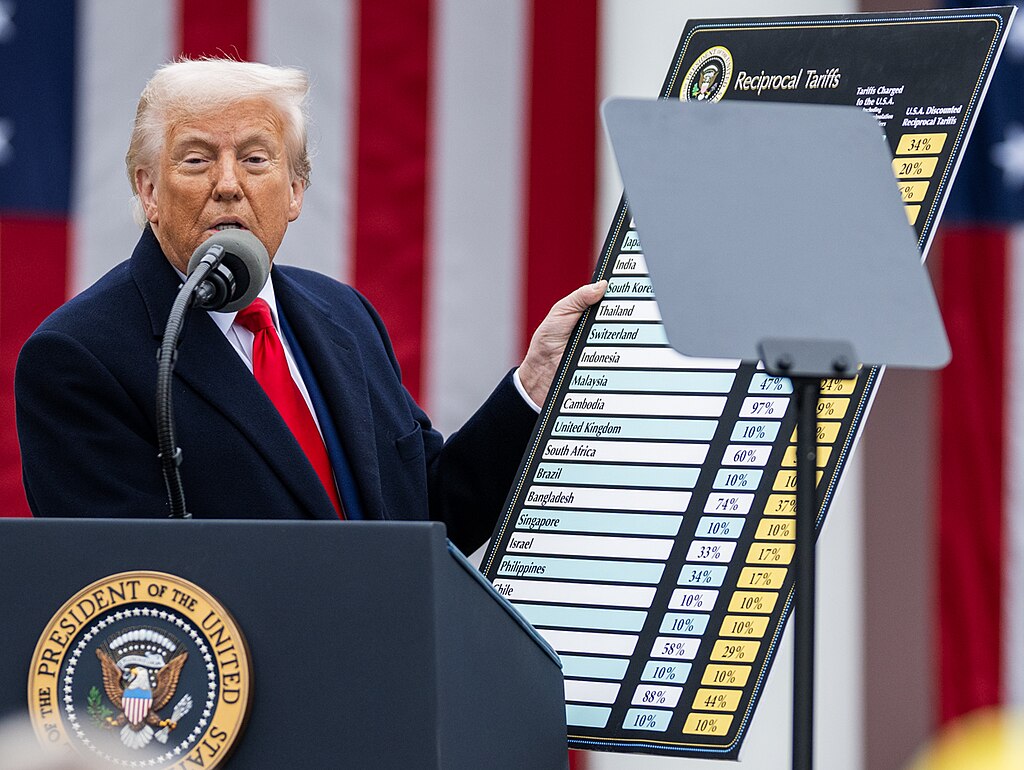
U.S. President Donald Trump signed a proclamation on Wednesday to delay planned tariff increases on upholstered furniture, kitchen cabinets, and bathroom vanities for an additional year, according to a statement from the White House. The decision extends existing tariff relief for these consumer and housing-related products, offering temporary certainty to importers, retailers, manufacturers, and American consumers.
The delayed tariffs are part of broader U.S. trade measures that were originally imposed to protect domestic industries and address trade imbalances. However, the administration acknowledged that certain sectors remain vulnerable to higher costs and supply chain disruptions. By postponing the tariff hikes, the White House aims to reduce economic pressure on businesses that rely heavily on imported components and finished goods, particularly in the home furnishings and construction markets.
Upholstered furniture, kitchen cabinets, and vanities are widely used in residential construction, home renovation, and interior design projects. Industry groups have long argued that higher tariffs on these products could lead to increased prices for consumers, slower housing activity, and reduced competitiveness for U.S. retailers. The one-year delay is expected to help stabilize prices and allow companies more time to adjust sourcing strategies or expand domestic production.
The proclamation also reflects ongoing uncertainty in global trade conditions, including shifting supply chains and fluctuating demand. Retailers and manufacturers have faced rising costs due to logistics challenges and inflation, making tariff relief a key concern for the sector. Extending the delay may help businesses manage costs while continuing to meet consumer demand.
While the tariff increases have been postponed, the administration emphasized that the measure is temporary. Companies are encouraged to use the additional time to prepare for potential future changes in trade policy. As debates over tariffs, trade protection, and domestic manufacturing continue, the decision underscores the administration’s balancing act between supporting U.S. industries and limiting the economic impact on consumers.
For now, the delay provides short-term relief and predictability for the home furnishings and cabinetry market, which plays a significant role in the broader U.S. housing and retail economy.







