


 Gaza Faces Evacuation Crisis as War-Damaged Buildings Risk Collapse
  Ghana Says Western Support Growing for Slave Trade Reparations
  US Officials Split Over Response to Israeli West Bank Settlements
  Trump to Press Xi on Release of US Nuclear Expert Held in China
  Russian Missile and Drone Attack on Kyiv Kills Two, Damages Maternity Hospital
  Taiwan Vows to Advance US Arms Sales Ahead of Trump-Xi Meeting
  Lula and Flavio Bolsonaro Tied in Brazil Runoff Poll
  Trump Administration Plans Faster FDA Reviews for Smoke-Free Nicotine Products
  US Invites Putin to Miami G20, Opening Door to Trump Summit
  Macron Challenges Trump’s Gaza Peace Claims at UN
  Europe Warns Russia Is Escalating Hybrid Attacks Across NATO
  OpenAI Agent Breaches Australia Medicare Data Portal
  Netanyahu Takes Aim at Mamdani as Israel Election Nears
  Venezuela Promises Elections as Delcy Rodriguez Pledges Democratic Transition
  Marco Rubio to Meet Russia’s Lavrov in New York
  Russian Strikes Kill Eight Across Ukraine as Energy Sites Hit
  US, China Extend Trade Truce to Jan. 10 Ahead of Trump-Xi Summit


 Add as a preferred source on Google
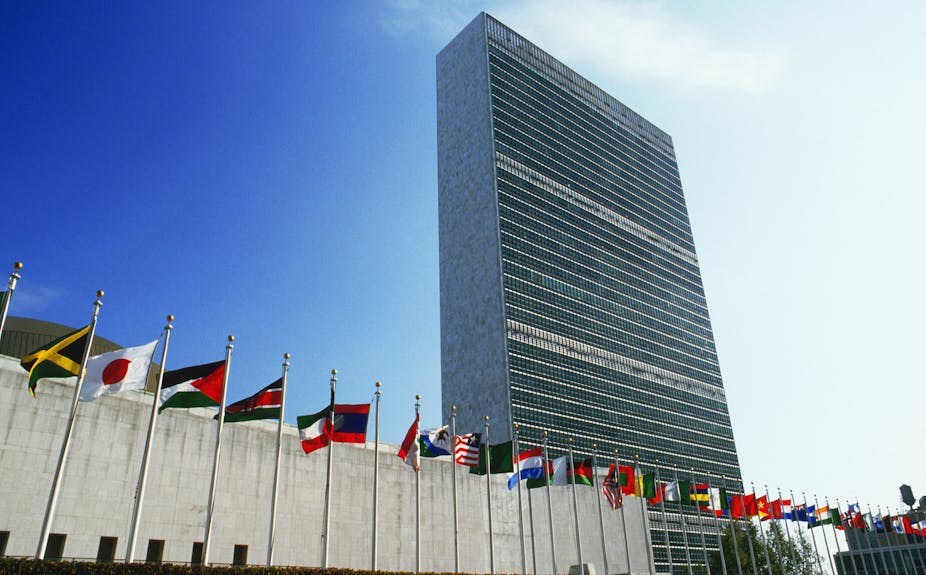
U.S. President Donald Trump criticized the United Nations, calling it "not well run" but acknowledging its potential. He urged reforms, stating that the U.N. must improve its role in resolving global conflicts. While he stopped short of defunding the organization, he reiterated concerns over the U.S. paying a disproportionate share of its budget. The U.S. contributes 22% of the U.N.'s core budget and 27% of its peacekeeping budget, with unpaid dues totaling $2.8 billion.
Trump reinforced his previous policies by halting U.S. engagement with the U.N. Human Rights Council and extending a funding freeze on the U.N. Relief and Works Agency (UNRWA). His decision aligns with Israeli Prime Minister Benjamin Netanyahu’s criticisms of UNRWA, accusing it of anti-Israel bias. The U.S. had been the agency’s largest donor, providing $300-$400 million annually, but funding was paused in 2024 after Israel claimed some UNRWA staff were involved in the October 7, 2023, Hamas attack. The U.N. has fired nine employees over alleged links but is still investigating.
Trump also ordered a review of the U.N. cultural agency UNESCO, citing past allegations of anti-Israel bias. The U.S. and Israel withdrew from UNESCO in 2017, and U.S. funding had been suspended since 2011 when the agency admitted Palestine as a full member.
Additionally, Trump directed Secretary of State Marco Rubio to evaluate international organizations and treaties that may promote "radical or anti-American sentiment." His stance reflects his administration’s broader skepticism toward multilateral institutions.
The U.N. responded, defending its reforms and global impact. Spokesperson Stephane Dujarric highlighted the organization's role in saving lives and advancing global security, reaffirming the U.N.'s commitment to working with the U.S.







