


 Judge Orders Trump to Restore White House Access for CNN, MS NOW and Politico
  Netanyahu Defends Israel at UN as Delegates Stage Walkout
  Australia Tightens Student Visa Rules, Targets Migration Cut by 2028
  US Northeast Airports Resume Operations After Telecom Outage Disrupts Thousands of Flights
  US Bans Canadian Alcohol, Motorcycles as Trade War Escalates
  White House Bars CNN, MS NOW and Politico Reporters
  Synthetic data could ease people’s concerns about privacy breaches. But who gets to create it?
  US Backs Musk in Fight Against EU’s €120 Million X Fine
  North Korea Rejects Nuclear Test Warning, Calls Nuclear Status Irreversible
  China Reviews Broadcom Switch Use in State Data Centres
  U.S. Imposes New Visa Restrictions Over South Africa Policies
  FDA Weighs Safety Standards for Psychedelic Therapies
  DOJ Will Investigate AI-Related Crimes, Attorney General Blanche Says
  Judge Blocks Trump Rule Limiting Foreign Student Visas
  Trump, Xi Focus on Trade and AI at White House Summit
  Nvidia-Groq AI Chip Deal Faces U.S. Antitrust Probe
  Trump Administration Removes Confederate Memorial Criticism From Arlington Website


 Add as a preferred source on Google
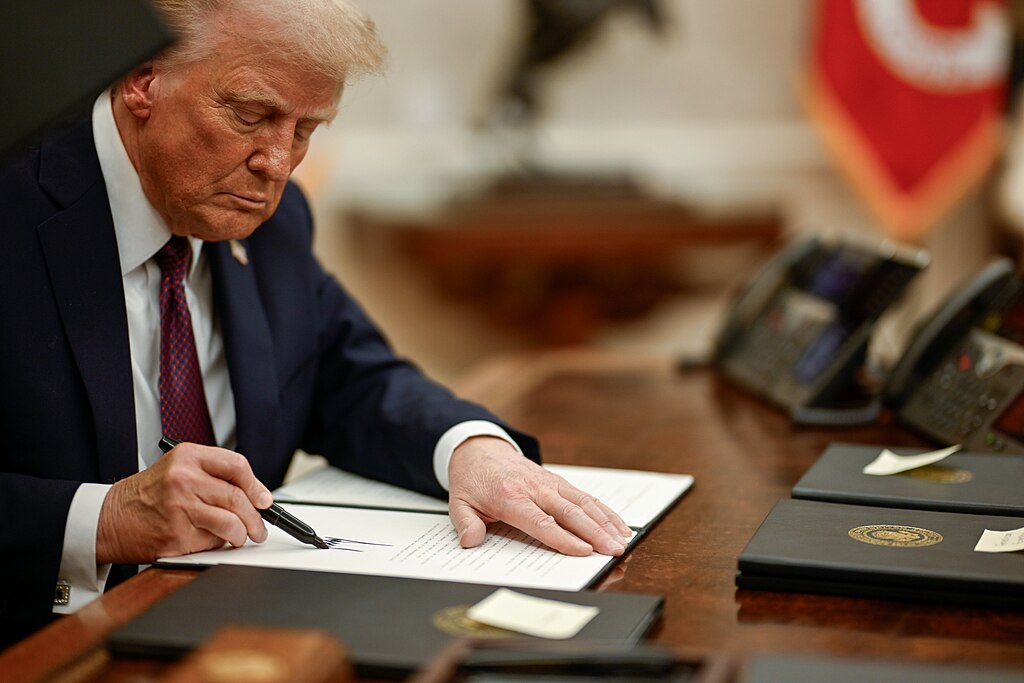
U.S. President Donald Trump has signed an executive order introducing a new federal employee classification called "Schedule G," aimed at making it easier to remove non-career government workers who do not align with presidential policy goals. The new category applies to employees involved in policymaking and would require them to leave their positions when the appointing president’s term ends, according to a White House fact sheet.
While the White House did not specify how many federal workers will be affected, the move could impact a significant portion of the 2.3 million-strong federal workforce. The administration says Schedule G will enhance accountability and allow the government to operate more like a private-sector business.
This policy echoes Trump’s earlier creation of "Schedule F" during his first term, which sought to strip job protections from tens of thousands of federal workers. That order was later rescinded by President Joe Biden in 2021. Estimates at the time indicated that Schedule F could have made over 50,000 workers at-will employees.
With Schedule G, Trump revives and expands the effort to shift federal employment toward more direct political oversight. Supporters argue it will improve efficiency and ensure alignment with elected leadership. However, critics warn it threatens the nonpartisan nature of the civil service and could lead to greater political interference in government operations.
This latest order signals a continued push to restructure federal employment and reduce long-standing protections for government workers, setting the stage for a major transformation in how the U.S. civil service is managed.







