


 Trump Bans CNN, MS NOW and Politico From White House
  US Backs Musk in Fight Against EU’s €120 Million X Fine
  Putin Says Ukraine Peace Proposals Remain on Table
  North Korea Rejects Nuclear Test Warning, Calls Nuclear Status Irreversible
  EU Agrees €6.6 Billion Military Aid Funding for Ukraine
  North Korea Warns South Korea Over US-Led Defense Role
  US Northeast Airports Resume Operations After Telecom Outage Disrupts Thousands of Flights
  US Comfortable With Canada Trade Standoff as Import Bans Loom
  Ukrainian Drone Attacks Hit Russian Regions, Injuring at Least 12
  Synthetic data could ease people’s concerns about privacy breaches. But who gets to create it?
  Pentagon Restarts Testosterone Testing for US Troops
  US Judge Dismisses Imran Ahmed Deportation Lawsuit
  Najib Razak Seeks Stay of 15-Year 1MDB Prison Sentence
  Evan Gershkovich Says FSB Set Trap for 2023 Russia Arrest
  China Reviews Broadcom Switch Use in State Data Centres
  Trump Asks Supreme Court to Restore Third-Country Deportations


 Add as a preferred source on Google
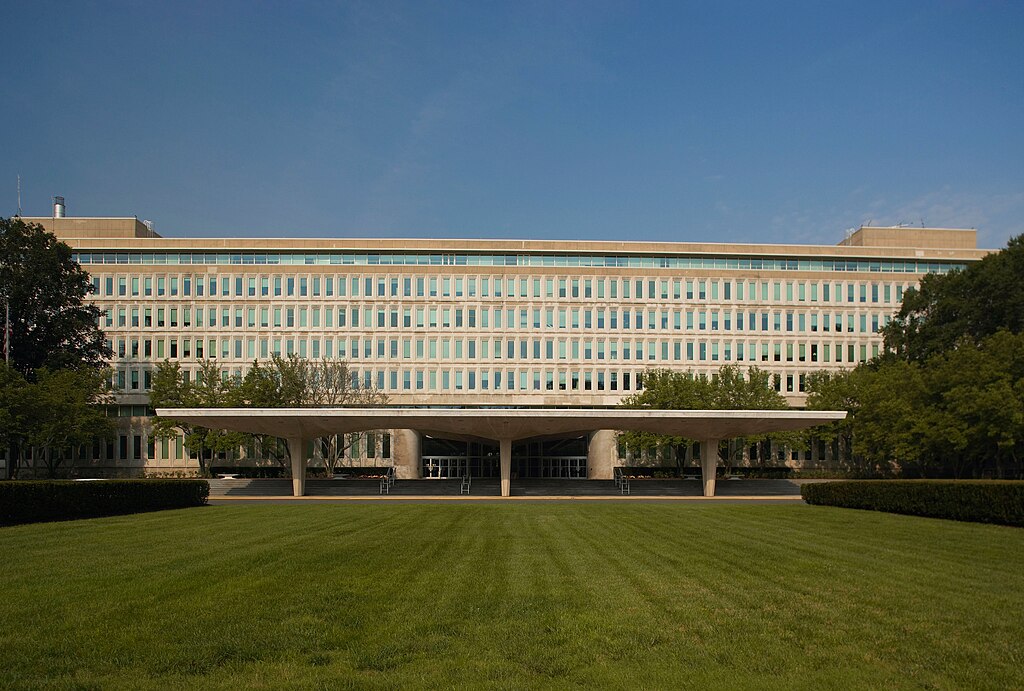
U.S. President Donald Trump confirmed that he authorized the Central Intelligence Agency (CIA) to carry out covert operations in Venezuela, marking a significant escalation of American efforts to pressure President Nicolás Maduro’s government. The confirmation followed a report by The New York Times, which first revealed the existence of a classified directive permitting such operations, citing multiple U.S. officials familiar with the matter.
Trump’s acknowledgment underscores Washington’s continued strategy to challenge Maduro’s regime, which the U.S. has long accused of corruption, human rights abuses, and undermining democracy. However, while Trump confirmed the CIA’s involvement, he declined to discuss any specific actions or whether Maduro himself could be a direct target of the covert mission.
The CIA’s operations in Venezuela represent one of the most aggressive moves by the United States to influence the country’s political landscape since diplomatic ties between Washington and Caracas deteriorated under Maduro’s rule. The U.S. government has previously imposed sanctions on Venezuelan officials and backed opposition leader Juan Guaidó, whom it recognized as the legitimate interim president in 2019.
Analysts suggest that this renewed focus on covert intelligence efforts could heighten tensions in the region and complicate relations with countries that support Maduro, such as Russia, China, and Iran. The Trump administration’s stance reflects its broader foreign policy approach of exerting “maximum pressure” on regimes seen as hostile to U.S. interests.
While the details of the CIA’s Venezuela operations remain classified, the confirmation highlights the ongoing geopolitical struggle over the country’s leadership and resources. As the situation unfolds, global attention is once again turning to Venezuela, where the balance between international intervention and national sovereignty remains a critical and contentious issue.







