


 US-Taiwan Ties Remain Strong as Taipei Urges Timely Arms Deliveries
  Trump Buys Up to $25M in Meta Stock, Invests in SpaceX Debt
  Trump Rallies in Texas as Republicans Face Tight Midterm Races
  US, EU Push for Action Against Asia’s Excess Factory Capacity
  Tsai Warns of China’s Sustained Pressure on Taiwan
  Trump Weighs FBI Probe Into Nolan Wells’ Death
  US Charges Maduro and Wife With Torture Conspiracy
  EU Rejects Italy, Greece Calls for Fiscal Rule Flexibility
  Venezuela’s Machado Calls for Elections by July 2027
  Berlin Coalition Talks Advance After Left Party Antisemitism Deal
  Flavio Bolsonaro Leads Lula 49%-45% in Brazil Runoff Poll
  Zelenskiy Slams US Over Deadly Russian Strikes on Ukraine
  Trump Backs Florida Golf Course as Presidential Retreat
  Hegseth Praises USS Abraham Lincoln Crew After Record Iran War Deployment
  Maduro, Wife May Face New US Torture Charges
  Trump Says He Deserves 2026 Nobel Peace Prize Despite Uncertain Chances
  Saudi Arabia Probes Flydubai Cockpit Attack


 Add as a preferred source on Google
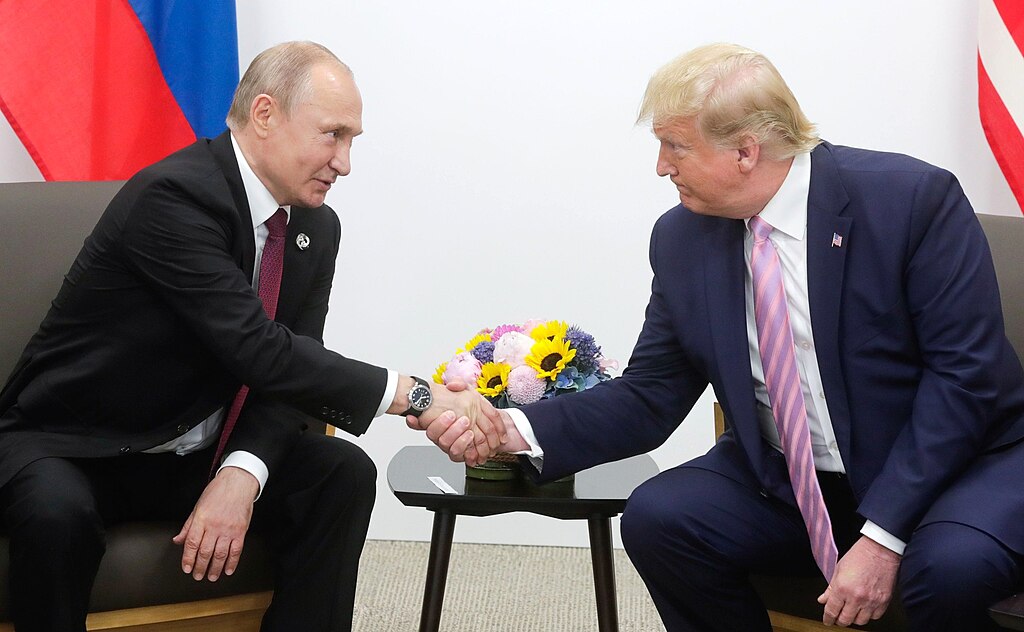
Former U.S. President Donald Trump said on Thursday that Russian President Vladimir Putin agreed to temporarily halt attacks on Kyiv and other Ukrainian cities for one week due to severe winter weather, according to remarks Trump made during a Cabinet meeting.
Trump stated that he personally requested the pause during a phone call with Putin, citing “extraordinary cold” conditions affecting Ukraine and surrounding regions. According to Trump, the agreement was reached despite skepticism from others who believed such a request would be unsuccessful. “A lot of people said, ‘Don’t waste the call, you’re not going to get that,’” Trump said, adding that Putin ultimately agreed to the request. Trump described the exchange as “very nice,” emphasizing the humanitarian aspect of the decision.
The comments have drawn significant attention as they touch on the ongoing Russia-Ukraine conflict and Trump’s claimed direct involvement in discussions with the Russian leader. The idea of a temporary pause in military action due to extreme weather highlights the impact that harsh winter conditions can have on civilian populations, infrastructure, and military operations. Kyiv and other Ukrainian cities have faced repeated missile and drone attacks since the start of the war, with energy facilities and residential areas frequently targeted.
Trump did not provide further details on how the agreement would be monitored or enforced, nor did he clarify whether Ukrainian officials were consulted or informed in advance. The White House has not independently confirmed the claim, and there was no immediate comment from the Kremlin or Ukrainian government regarding the alleged pause in attacks.
The statement has fueled debate among political analysts and observers, particularly as Trump remains a central figure in U.S. politics and foreign policy discussions. Supporters argue the claim demonstrates Trump’s ability to negotiate directly with world leaders, while critics question the accuracy and diplomatic implications of the remarks.
As the conflict continues and winter conditions persist, any reduction in hostilities, even temporary, could provide critical relief to civilians facing power shortages, freezing temperatures, and ongoing security risks. The situation remains closely watched as global attention stays focused on developments in Ukraine and the broader geopolitical consequences.







