


 Trump Eyes 15% Tariff on Canadian Auto Imports in New Trade Deal
  Australia Summons Israeli Ambassador Over Gaza Aid Worker Death
  Russia Arrests Nine Over Alleged Ukraine-Linked Attack Plans
  Israeli Airstrikes Kill 10 Palestinians in Gaza as Ceasefire Diplomacy Stalls
  Prince Harry, Elton John Ordered to Pay £9.54 Million in Daily Mail Legal Costs
  Trump Threatens ‘Crushing’ Iran Sanctions as Hormuz Standoff Deepens
  US Envoy Warns Israeli Settlers Over Palestinian American Property
  Trump Targets 1,000 U.S. Space Launches Annually by 2030
  US Tightens Cuba Sanctions, Targets Officials and State Entities
  EU’s Von der Leyen Condemns Israel’s E1 West Bank Settlement Plan
  Imran Khan Returns to Prison After Islamabad Hospital Visit
  Myanmar Military Pushes to Clear Land for Russia-Backed Dawei SEZ
  Guatemala Receives 2,300 Mexicans Deported From US
  Turkey Seeks Interpol Red Notice for Netanyahu Over Gaza Aid Flotilla
  Russia Strikes Kyiv With Drones and Airstrikes, Targets Military Facilities
  Prince Harry and Meghan Markle Reportedly Plan UK Move With Children
  Trump Threatens Economic Penalties on Countries Supporting Iran


 Add as a preferred source on Google
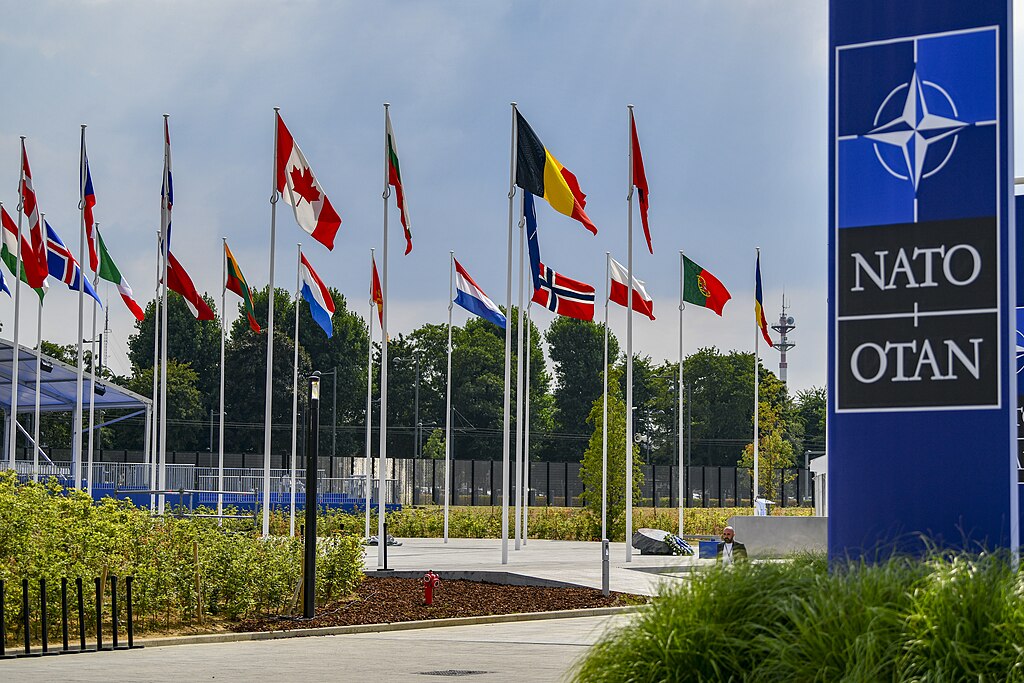
NATO’s top military commander convened a videoconference this week to help interested allies coordinate potential contributions aimed at protecting freedom of navigation in the Strait of Hormuz, while stressing that the effort is not an official NATO mission.
Supreme Headquarters Allied Powers Europe (SHAPE) hosted the meeting on Wednesday, August 19, bringing together interested NATO members at the chief of defence level, according to a spokesperson for U.S. Air Force General Alexus Grynkewich, NATO’s Supreme Allied Commander Europe.
The talks were designed to facilitate possible national contributions to efforts supporting safe maritime passage through the strategically important waterway.
The spokesperson emphasized that NATO itself is not launching an operation in the Strait of Hormuz. Instead, the alliance is using its ability to coordinate members and assess the military capabilities individual countries could provide.
NATO countries have so far sought to avoid becoming directly involved in the Iran conflict. Their attention has instead shifted toward initiatives conducted outside NATO that could help restore secure commercial shipping through the Strait of Hormuz.
The narrow waterway is one of the world’s most important energy transit routes. Before February, roughly one-fifth of globally traded oil passed through the strait, making disruptions there a major concern for international energy markets, shipping companies and governments.
France and Britain have been leading separate efforts to establish a multinational coalition that could guarantee safe passage through the Strait of Hormuz once regional tensions ease or the Iran conflict ends.
Around a dozen countries have been involved in discussions over potential participation in the maritime initiative.
However, establishing a durable security arrangement for the Strait of Hormuz would ultimately depend on cooperation or acceptance from Iran, which borders the critical shipping route. For now, NATO’s involvement remains limited to facilitating discussions among allies considering contributions to future freedom-of-navigation efforts.







