


 Bessent Warns Iran as US Prepares Toughest-Ever Sanctions
  Turkey Seeks Interpol Red Notice for Netanyahu Over Gaza Aid Flotilla
  Russian Drone Strike on Kryvyi Rih Mall Kills 16, Injures 130
  Raphael Glucksmann Launches 2027 French Presidential Bid
  Prince Harry Faces Potential Multi-Million-Pound Legal Bill in Daily Mail Case
  Myanmar Military Pushes to Clear Land for Russia-Backed Dawei SEZ
  US Tightens Cuba Sanctions, Targets Officials and State Entities
  US Envoy Warns Israeli Settlers Over Palestinian American Property
  Trump Targets 1,000 U.S. Space Launches Annually by 2030
  Imran Khan Returns to Prison After Islamabad Hospital Visit
  Israeli Strikes Kill Two in Gaza as Tensions Rise
  Israel Targets Suspected Terrorist in Southern Syria
  EU’s Von der Leyen Condemns Israel’s E1 West Bank Settlement Plan
  Canada Announces Dollar-for-Dollar Retaliation Against 50% U.S. Tariffs
  Milei Pushes for Formula 1 Return to Argentina
  NATO Facilitates Allied Talks on Strait of Hormuz Navigation
  Russian Drone Strike on Kryvyi Rih Shopping Centre Kills 15


 Add as a preferred source on Google
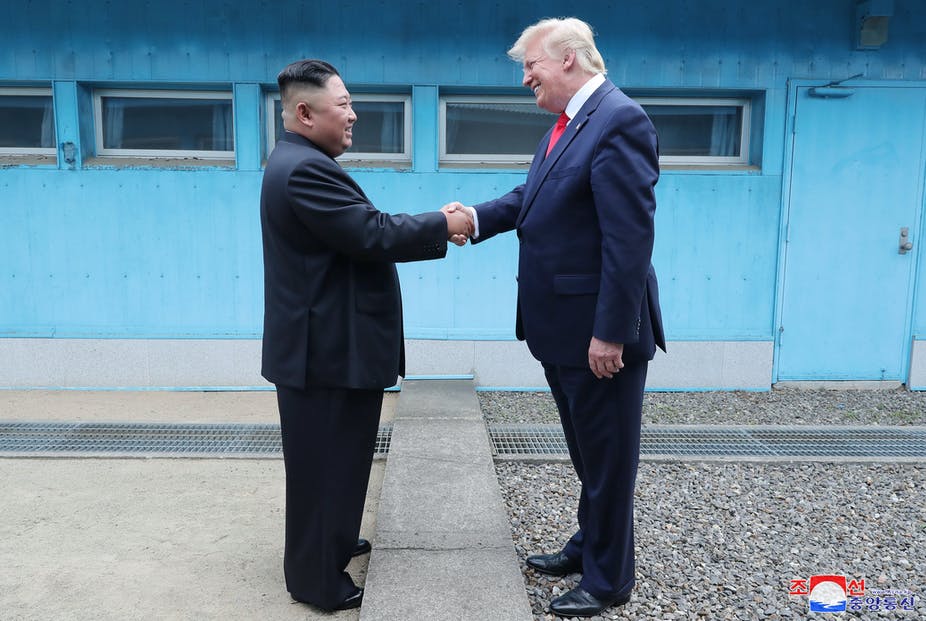
U.S. President Donald Trump’s renewed outreach to North Korean leader Kim Jong Un is raising concerns among key Asian partners as Washington’s allies reassess the reliability of U.S. security commitments across the Indo-Pacific.
Trump last week unexpectedly scaled back military exercises with South Korea, describing the drills as hostile toward Pyongyang. The decision came as Trump seeks to revive diplomacy with Kim while dealing with the ongoing Iran war. Analysts warn the move could deepen uncertainty in Japan, Taiwan and India over Washington’s regional strategy.
Jeremy Chan, a senior analyst at Eurasia Group and former U.S. diplomat, said the decision would likely increase doubts about U.S. security guarantees. The White House, however, said Washington remains committed to cooperation with Seoul while emphasizing that allies need to increase their own defense spending.
Japan is particularly concerned as Tokyo prepares for negotiations over the cost of hosting U.S. troops. Former Japanese Defense Minister Itsunori Onodera described the prospect of North Korea being emboldened by Trump’s diplomacy as “extremely troubling.” Pyongyang also fired several ballistic missiles last week despite Trump’s overtures.
Concerns have intensified after the USS George Washington, America’s only forward-deployed aircraft carrier in Asia, left for the Middle East to relieve the USS Abraham Lincoln. The shift has fueled questions about whether U.S. deterrence against China could weaken.
Taiwan is also closely watching Trump’s upcoming meeting with Chinese President Xi Jinping. Washington has delayed approval of a $14 billion arms package for Taipei while seeking to preserve stable relations and a trade truce with Beijing. Taiwanese officials expect the weapons package could ultimately be divided into smaller sales to reduce tensions with China.
India, meanwhile, is becoming increasingly cautious about long-term defense cooperation with Washington. Trump’s tariffs on Indian exports and repeated claims of mediating an India-Pakistan ceasefire have already frustrated New Delhi.
Security analysts say the developments highlight Trump’s transactional approach to foreign policy, potentially forcing U.S. partners across Asia to reconsider how heavily they can depend on Washington as regional tensions involving North Korea and China continue to grow.







