


 US Dollar Heads for Worst Week Since July as Fiscal Concerns Mount
  BOJ Rate Hike Expectations Rise Ahead of September Meeting
  Peru Economy Grows 2.6% in Q2 as Private Investment Surges
  UK Economy Shows Strength as Burnham Gets Early Boost
  Oil Prices Ease as US-Iran Tensions Keep Brent on Track for Weekly Gain
  RBA Signals More Rate Hikes Possible as Australia Battles Stubborn Inflation
  Asian Stocks Slide as Samsung, Alibaba Lead Tech Selloff
  ING Says Yen Is 20% Undervalued Against Dollar
  RBI Holds Repo Rate at 5.25% as Inflation Risks and Global Uncertainty Persist
  Dollar Hovers Near Multi-Month Lows as Treasury Buybacks Rattle Markets
  Merz Pushes Faster Reforms to Revive German Economy
  Singapore Central Bank’s Exchange Rate Policy Explained: Why MAS Uses the S$NEER Instead of Interest Rates
  Fed Minutes Signal Rate Hikes Remain Possible as Inflation Risks Persist
  Indian Sugar Stocks Surge on Tight Supply, Festive Demand


 Add as a preferred source on Google
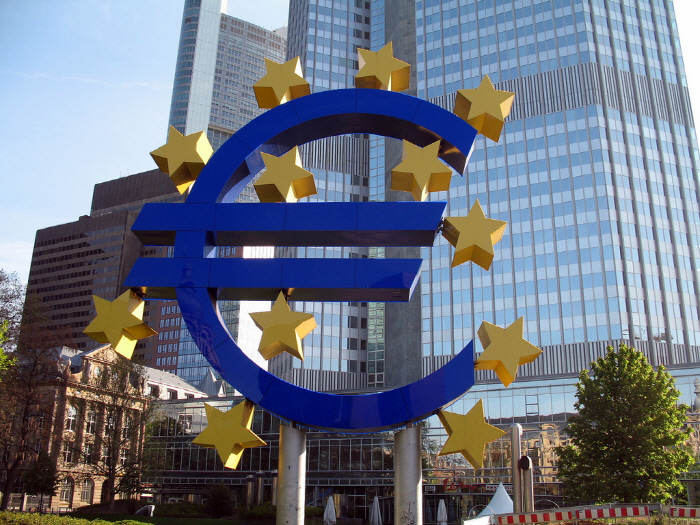
Money markets are increasingly betting on a more hawkish European Central Bank as geopolitical tensions and persistent energy pressures threaten to keep euro zone inflation elevated. Traders now see the ECB deposit rate approaching 3% by late 2027 as policymakers confront the economic fallout from the U.S.-Iran war.
The ECB is widely expected to raise interest rates in September, taking the deposit rate to 2.5%, following its June tightening move. Investors are also increasing bets on further hikes, with markets pricing roughly a 25% probability that the deposit rate reaches 3% by March 2027 and around a 60% chance by September 2027. A month ago, markets saw virtually no chance of rates reaching 3% by March.
Energy remains a key concern. Brent crude is trading above $90 per barrel, while tighter supplies of refined fuels and unusually low euro zone natural gas inventories could prolong inflationary pressure. Investors are also considering the possibility that the Middle East conflict continues beyond the U.S. midterm elections in November.
MUFG senior economist Henry Cook said a lasting Middle East peace agreement before the November elections remains the baseline scenario. However, if that prospect fades and energy prices move toward the ECB’s adverse projections, policymakers could embark on a broader tightening cycle, potentially lifting the deposit rate to “at least 3%.”
Inflation risks extend beyond crude oil. BlueBay Fixed Income Chief Investment Officer Mark Dowding expects crack spreads—the difference between crude prices and refined products such as diesel—to remain elevated as refined fuel markets stay tighter than crude supplies.
Natural gas is another potential inflation driver. Euro area storage levels are at their lowest for this time of year in more than a decade. Capital Economics noted that inventories were last near current levels in 2021, when gas prices eventually surged above €170, compared with roughly €65 currently.
Meanwhile, fiscal spending, green-energy investment, higher defence expenditure and tight labour markets could make inflation more persistent. A resilient euro zone economy is adding to those concerns, with recent data showing business activity expanding at its fastest pace this year.
The five-year euro short-term rate overnight index swap, viewed as a gauge of the euro zone’s neutral interest rate, climbed to around 2.85% last week, its highest level since November 2023.







