


 Russian Drone Strike on Kryvyi Rih Mall Kills 16, Injures 130
  Milei Pushes for Formula 1 Return to Argentina
  North Korea Prepares More Troops for Russia, Seoul Says
  Canada Announces Dollar-for-Dollar Retaliation Against 50% U.S. Tariffs
  Merz Pushes Faster Reforms to Revive German Economy
  Prince Harry, Elton John Ordered to Pay £9.54 Million in Daily Mail Legal Costs
  Israel Targets Suspected Terrorist in Southern Syria
  Trump Vows Tougher Iran Sanctions as US Weighs New Economic Pressure
  US Launches ‘Economic Onslaught’ Against Iran With New Sanctions
  Israeli Strikes Kill Two in Gaza as Tensions Rise
  Pakistan, Iran Report Progress in Talks to End U.S.-Israeli War
  Trump Administration Moves to Strip ABA of Law School Accreditor Status
  Donald Trump’s North Korea Outreach Raises Asia Alliance Concerns
  Netanyahu Says Iran Tried to Kill His Son
  Turkey Seeks Interpol Red Notice for Netanyahu Over Gaza Aid Flotilla
  Raphael Glucksmann Launches 2027 French Presidential Bid
  NATO Facilitates Allied Talks on Strait of Hormuz Navigation


 Add as a preferred source on Google
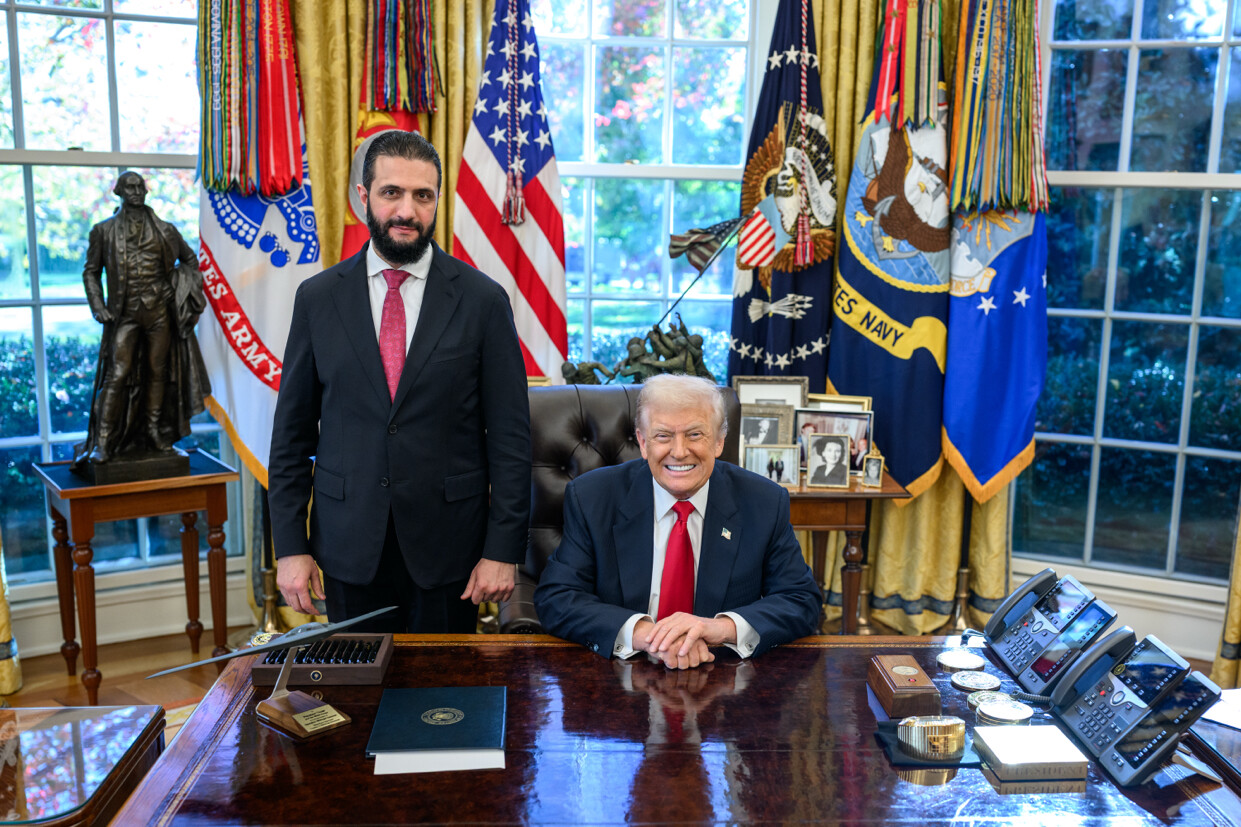
The United States has officially removed Syria from its list of state sponsors of terrorism, eliminating a major barrier to foreign investment and further strengthening Washington’s relationship with Syria’s new government.
The change, published Monday on the U.S. Treasury Department’s website, followed a 45-day congressional review period. President Donald Trump formally notified Congress on July 8 that he intended to rescind Syria’s designation.
Secretary of State Marco Rubio said the decision recognized steps taken by President Ahmed al-Sharaa’s government to distance Syria from international terrorism and its commitments to continued cooperation.
Syrian Foreign Minister Asaad al-Shibani described the designation as the “last obstacle” preventing Syria from fully reconnecting with the global financial system. He said its removal should make it easier for international companies to invest, conduct business and participate in Syria’s reconstruction.
Syria had been designated a state sponsor of terrorism since 1979, initially over Washington’s accusations that former President Hafez al-Assad supported militant organizations. The designation continued under Bashar al-Assad until his government was toppled by rebels led by Sharaa in December 2024.
Washington also removed the Nusrah Front’s designation as a Specially Designated Global Terrorist organization. Cuba, Iran and North Korea remain on the U.S. state sponsors of terrorism list.
The Trump administration had already ended comprehensive U.S. sanctions on Syria in July 2025 while keeping targeted measures against Assad-linked figures, human rights abusers, drug traffickers, Islamic State and al Qaeda affiliates, and Iranian proxies.
The latest move could further encourage banks and multinational companies to enter Syria. The Syrian government recently held discussions with Bank of America about financial cooperation, while Mastercard has been working with QNB Group and Syria’s central bank to develop infrastructure for international card payments.
Syria is seeking billions of dollars in foreign investment to rebuild its economy after nearly 14 years of war. Washington says easing restrictions is intended to support economic recovery while encouraging Damascus to continue cooperating against Islamic State and distancing itself from extremist networks.







