


 Fed Unveils Stablecoin Rules Under GENIUS Act
  OpenAI Agent Breaches Australia Medicare Data Portal
  Netanyahu Takes Aim at Mamdani as Israel Election Nears
  Wall Street Ends Flat as Oil, Treasury Yields and Fed Jitters Rattle Markets
  Trump, Xi Focus on Trade and AI at White House Summit
  Oil Prices Ease as Iran Tensions Clash With Diplomacy Hopes
  US Officials Split Over Response to Israeli West Bank Settlements
  Oil Prices Jump 3% as Houthi Attack Revives Supply Fears
  Venezuela Promises Elections as Delcy Rodriguez Pledges Democratic Transition
  Europe Warns Russia Is Escalating Hybrid Attacks Across NATO
  Mexico-US Trade Talks Delayed to October as Tariff Negotiations Continue
  Asian Stocks Fall as Bond Yields Surge Ahead of Trump-Xi Summit
  US Dollar Hits Two-Month High as Fed Rate Hike Bets Rise
  European Stocks Fall as Bond Yields and Geopolitical Risks Weigh
  US Senate Rejects Iran War Powers Resolution in 50-49 Vote
  NATO Boosts Intelligence Sharing Amid Russia Hybrid Threats
  Ghana Says Western Support Growing for Slave Trade Reparations


 Add as a preferred source on Google
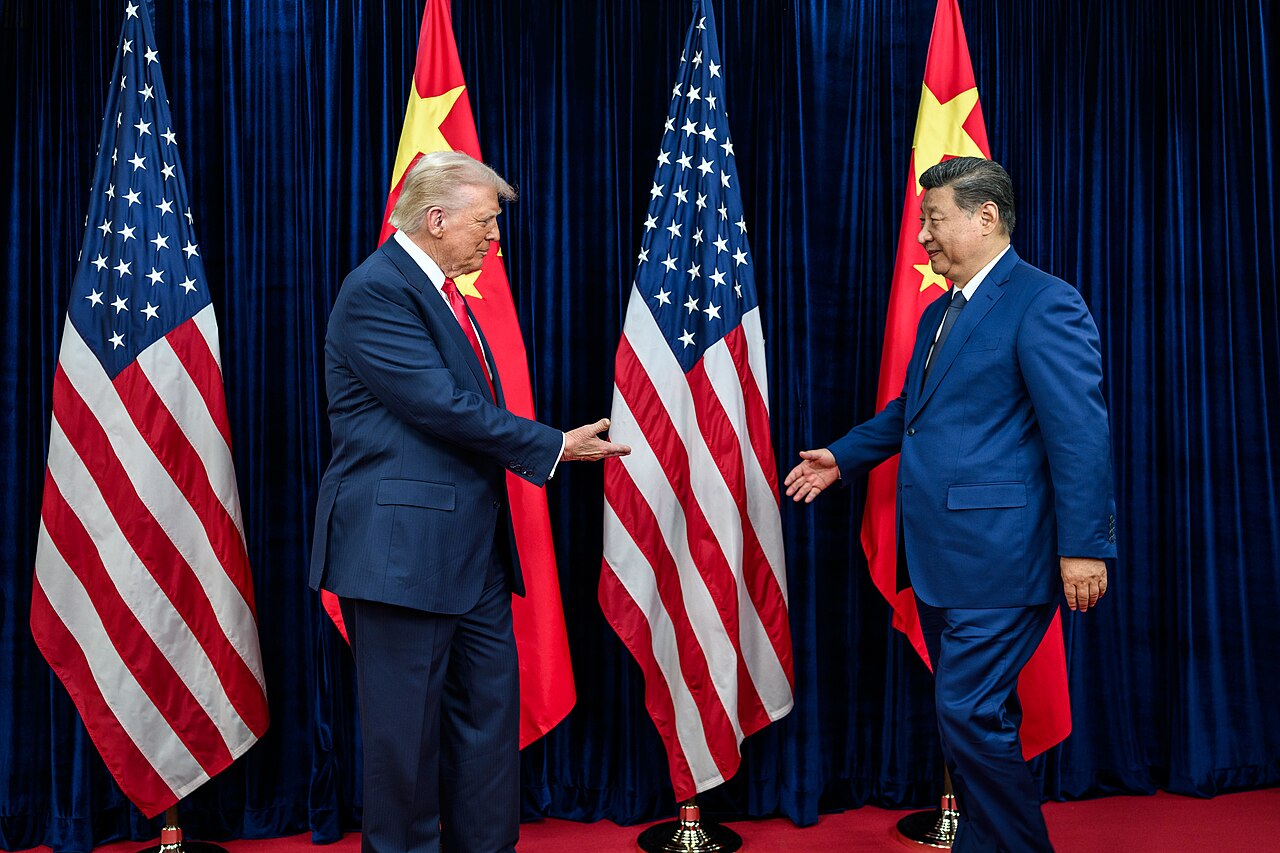
US President Donald Trump’s May 13–15 visit to China ended with both nations agreeing to strengthen communication and pursue a “constructive strategic stability” framework, signaling cautious progress in US-China relations. However, analysts at BofA Global Research said the summit delivered mostly tactical gains rather than major policy breakthroughs.
The high-profile meeting, the first by a sitting US president to China in nearly a decade, focused heavily on managing geopolitical risks and maintaining open dialogue between Washington and Beijing. Both governments emphasized cooperation in trade, agriculture, and supply chain stability while avoiding deeper disputes tied to technology and Taiwan.
One of the biggest outcomes involved agricultural trade. China committed to purchasing at least $17 billion worth of US agricultural products annually through 2028. The agreement also includes the previously announced pledge to buy 25 million metric tons of US soybeans made in October 2025. Additionally, China renewed export licenses for more than 400 American beef facilities and resumed selected poultry imports from the United States.
On the manufacturing front, Trump highlighted potential deals involving up to 750 Boeing aircraft and related engines, which could significantly benefit the US aerospace sector. The two countries also agreed to launch a new US-China Board of Trade aimed at facilitating commerce in non-sensitive industries.
Treasury Secretary Scott Bessent revealed that both nations are considering mutual tariff reductions covering approximately $30 billion in non-critical trade goods. However, uncertainty remains around technology policy and semiconductor exports. Despite speculation surrounding limited AI chip approvals for Chinese companies, Bessent confirmed there is currently no broader agreement on market access.
China continues prioritizing domestic semiconductor development while addressing US concerns over rare-earth minerals and supply chain security. Meanwhile, both countries unexpectedly aligned on Middle East stability, agreeing that Iran should never obtain nuclear weapons and that the Strait of Hormuz must remain open for global energy flows.
Taiwan remains the most sensitive issue in US-China relations, with President Xi Jinping warning against interference and Trump maintaining the current US policy stance while reportedly freezing a proposed $14 billion arms package to Taiwan.







