


 Judge Blocks Trump Rule Limiting Foreign Student Visas
  South Korea to Brief Lawmakers on $350 Billion US Investment Package
  White House Bars CNN, MS NOW and Politico Reporters
  U.S. Imposes New Visa Restrictions Over South Africa Policies
  Diana’s Brother Backs Security for Harry and Meghan
  CNN, MS NOW and Politico Sue Trump Over White House Media Ban
  Burnham Eyes UK Leadership Role in AI Ahead of Trump Meeting
  North Korea Fires Two Ballistic Missiles From Wonsan
  US Immigration Arrests Surge as Deportations Lag Behind
  U.S. Issues Cuba Health Alert as Illnesses Rise
  AfD Wins German State Election as Merz’s CDU Hits Historic Low
  Trump Bans CNN, MS NOW and Politico From White House
  Appeals Court Rejects Trump Third-Country Deportation Policy
  US Bans Canadian Alcohol, Motorcycles as Trade War Escalates
  Trump Scales Back Endangered Species Act Protections
  Australia Defends Social Media Algorithm Law Amid US Concerns


 Add as a preferred source on Google
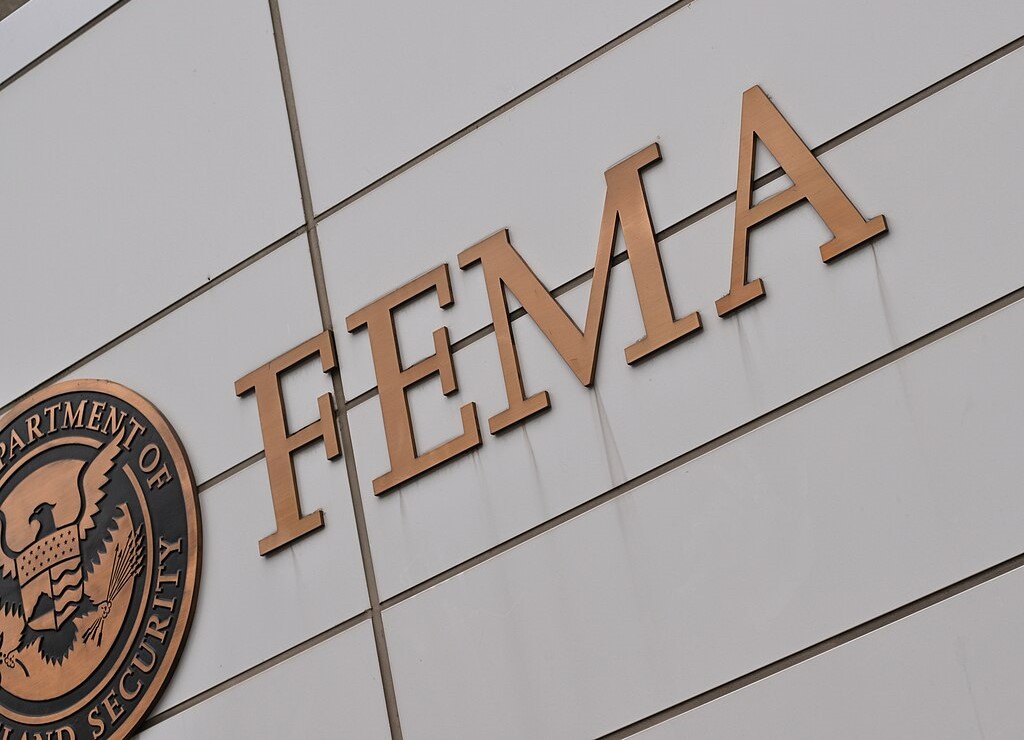
U.S. President Donald Trump has approved an emergency declaration for Washington, D.C., following a massive sewage spill into the Potomac River, triggering a coordinated federal response led by the Federal Emergency Management Agency (FEMA). The decision authorizes FEMA to support disaster relief operations aimed at protecting public health, safeguarding property, and assisting local authorities as they manage the environmental crisis.
The emergency declaration comes after a rupture in a major sewer pipeline released hundreds of millions of gallons of untreated wastewater into the Potomac River. The incident prompted immediate local emergency declarations and urgent requests for federal assistance. Officials have warned residents about elevated bacteria levels and significant environmental risks, advising the public to avoid contact with river water until further notice.
Under federal disaster law, FEMA is now authorized to coordinate emergency protective measures and provide logistical and operational support to the District of Columbia. While the declaration does not automatically provide direct financial assistance to individuals, it enables federal agencies to supplement local and regional response efforts. Crews are currently working to contain the sewage spill, assess environmental damage, and repair the damaged infrastructure.
Washington Mayor Muriel Bowser formally requested federal resources, citing the scale of the wastewater discharge and the potential long-term public health impact. The incident has intensified concerns over aging water infrastructure in the nation’s capital and sparked debate between federal and local officials regarding accountability and crisis management.
Environmental experts warn that large-scale sewage spills can have lasting ecological consequences, affecting water quality, aquatic life, and surrounding communities. As cleanup efforts continue, authorities are closely monitoring bacteria levels in the Potomac River to ensure public safety.
The FEMA emergency declaration marks a significant step in addressing the sewage spill crisis, reinforcing federal coordination as Washington, D.C., works to mitigate environmental damage and restore safe conditions.







