


 France Defends Netanyahu Airspace Clearance Despite ICC Warrant
  ICE Agent Arrested in Minneapolis Over Venezuelan Man Shooting
  Najib Razak Seeks Stay of 15-Year 1MDB Prison Sentence
  Appeals Court Rejects Trump Third-Country Deportation Policy
  Pezeshkian Says US Must Choose When Iran War Ends
  Brazil Court Suspends Sigma Lithium Mine Operations
  Trump’s Arlington Arch Project Faces New Court Restrictions
  Honduras Court Drops Charges Against Ex-President Juan Orlando Hernandez
  Ecuador Court Convicts Ex-President Lenin Moreno in Bribery Case
  Trump, Xi Visit US National Archives After White House Summit
  Ghana Says Western Support Growing for Slave Trade Reparations
  Mexico-US Trade Talks Delayed to October as Tariff Negotiations Continue
  Trump Administration Prepares Sanctions Against Entire ICC
  Yemen Violence Displaces 130,000 as Civilian Toll Rises
  Trump Asks Supreme Court to Restore Third-Country Deportations
  Amazon Shares Fall as FTC Plans Ad Pricing Lawsuit
  EU Defence Build-Up Too Slow for 2030 Russia Readiness Goal


 Add as a preferred source on Google
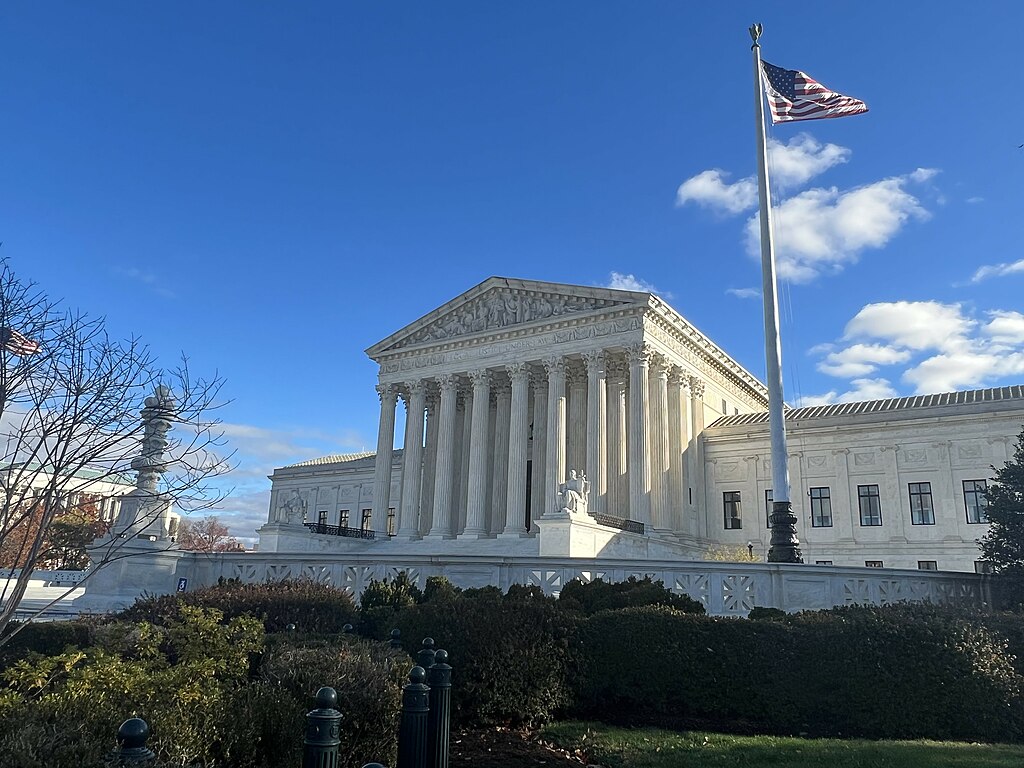
Since President Donald Trump returned to office in January 2025, the U.S. Supreme Court has taken up a wide range of high-stakes cases challenging his administration’s policies. The rulings and pending decisions touch on tariffs, immigration enforcement, federal agency independence, transgender rights, foreign aid, and the scope of presidential authority, shaping the legal landscape of Trump’s second term.
In a landmark 6-3 decision on February 20, the Supreme Court struck down Trump’s sweeping tariffs imposed under the International Emergency Economic Powers Act (IEEPA). The justices ruled that the 1977 law did not authorize the president to unilaterally impose broad tariffs, reaffirming that the Constitution grants Congress — not the executive branch — the power to levy taxes and regulate trade. The decision carries major implications for global markets and U.S. trade policy.
Immigration policy has also dominated the court’s docket. The justices allowed immigration raids in California to proceed, cleared the revocation of Temporary Protected Status (TPS) for Venezuelan migrants, and permitted the rollback of immigration “parole” protections for migrants from several countries. At the same time, the court blocked certain deportations under the Alien Enemies Act, citing due process concerns, and ordered the administration to facilitate the return of a wrongly deported Salvadoran man. The justices will soon hear arguments over Trump’s executive order restricting birthright citizenship under the 14th Amendment.
The court has signaled support for expanding presidential control over federal agencies. It allowed Trump to remove officials from the Consumer Product Safety Commission and federal labor boards, and appeared receptive to arguments supporting his firing of a Federal Trade Commission member. However, it showed skepticism toward his attempt to remove Federal Reserve Governor Lisa Cook.
Additional rulings have permitted a transgender military ban, upheld passport restrictions tied to sex at birth, allowed mass federal layoffs, approved cuts to medical research and teacher training grants, cleared the dismantling of the Education Department, and enabled temporary withholding of foreign aid.
Collectively, these Supreme Court decisions underscore an ongoing legal battle over executive power, constitutional limits, and the future direction of U.S. domestic and foreign policy.







