


 Appeals Court Rejects Trump Third-Country Deportation Policy
  Gold Prices Hold Steady Ahead of Trump-Xi Summit, Middle East Risks
  Fed Rate Hike Threatens Housing as U.S. Growth Leans on AI, Citi Says
  FAA Allows Boeing to Sell 35 More 777F Freighters Beyond 2028
  UK Home Asking Prices Rise for First Time Since May
  Mahmoud Khalil Sues Columbia Over Alleged Pro-Palestinian Harassment
  CNN, MS NOW and Politico Sue Trump Over White House Media Ban
  Trump Administration Prepares Sanctions Against Entire ICC
  US Resumes Immigrant Visa Processing for Hungary, Poland
  U.S. Issues Cuba Health Alert as Illnesses Rise
  Europe Jet Fuel Deficit Drives South Korean Imports to Four-Year High
  South Korea to Brief Lawmakers on $350 Billion US Investment Package
  FDA Weighs Safety Standards for Psychedelic Therapies
  S&P 500 Historically Rallies After Midterm Elections, UBS Says
  Canada Eyes India Trade Deal by Year-End
  Trump Grants Clemency to Jay-Z Associate Emory Jones
  ICE Officer Shoots Man in Austin, Sparking Calls for Independent Probe


 Add as a preferred source on Google
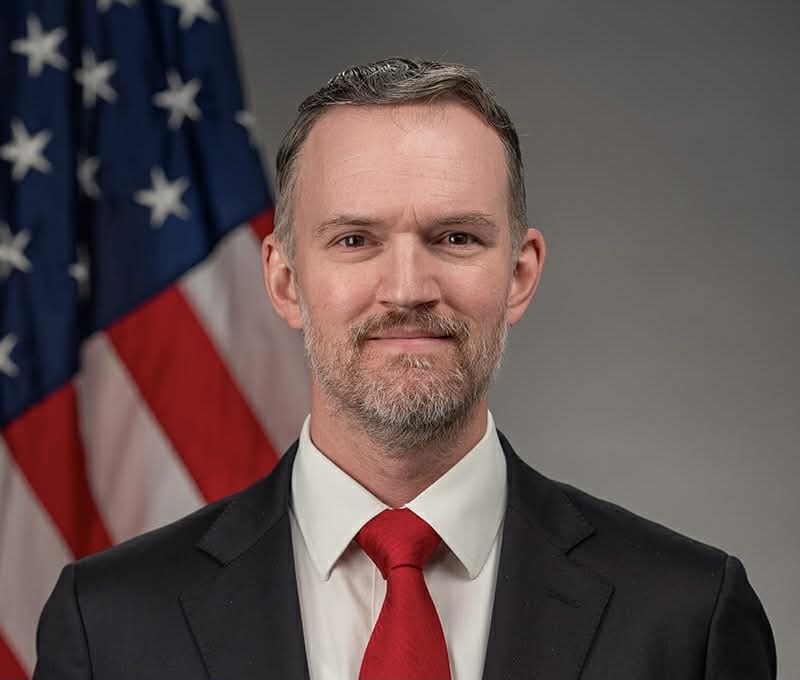
U.S. Trade Representative Jamieson Greer announced Friday that his office will begin several new investigations under Section 301 of the Trade Act of 1974, signaling a renewed focus on U.S. trade enforcement. The move comes shortly after the U.S. Supreme Court struck down tariffs ranging from 10% to 50% that had been imposed under the International Emergency Economic Powers Act (IEEPA).
According to Greer, the Section 301 investigations will target most major U.S. trading partners and address key trade concerns, including pharmaceutical product pricing, industrial overcapacity, forced labor practices, and alleged discrimination against American technology companies and digital goods. The decision underscores the Trump administration’s commitment to reshaping international trade policy and protecting U.S. economic interests.
Section 301 of the Trade Act of 1974 gives the U.S. Trade Representative authority to investigate and respond to unfair trade practices by foreign governments. These new probes are expected to examine whether certain policies or market behaviors harm U.S. businesses, distort global markets, or restrict fair competition.
Greer emphasized that despite the Supreme Court’s ruling on the IEEPA tariffs, the administration remains confident that trade agreements negotiated under President Donald Trump will stay intact. The court’s decision invalidated the emergency-based tariffs but does not affect existing bilateral or multilateral trade deals reached during Trump’s tenure.
The renewed use of Section 301 investigations highlights a strategic shift in U.S. trade policy, focusing on enforcement mechanisms embedded in longstanding trade law rather than emergency economic powers. By addressing issues such as excess industrial capacity and digital trade barriers, the administration aims to strengthen American competitiveness and ensure fair treatment for U.S. exporters and technology firms in the global marketplace.
The announcement signals a potentially significant escalation in trade scrutiny that could reshape relations with key economic partners in the months ahead.







