


 Oil Prices Surge as U.S.-Iran Diplomacy Hopes Fade
  Soybean Futures Slip as Traders Await Trump-Xi Trade Signals
  Wall Street Ends Flat as Oil, Treasury Yields and Fed Jitters Rattle Markets
  Oil Prices Jump 3% as Houthi Attack Revives Supply Fears
  U.S. Treasury Yields Surge as 30-Year Hits 22-Year High
  US, China Extend Trade Truce to Jan. 10 Ahead of Trump-Xi Summit
  Oil Prices Ease as Iran Tensions Clash With Diplomacy Hopes
  South Korea, US Discuss Warship Building Cooperation
  Asian Stocks Fall as Surging Bond Yields Rattle Markets
  Wall Street Falls as Treasury Yields Surge, Oil Rebounds on Iran Tensions
  U.S. Dollar Hits Two-Month High as Oil, Treasury Yields Surge
  Trump, Xi Focus on Trade and AI at White House Summit
  Russian Envoy Dmitriev Heads to US for Ukraine Talks
  U.S. 10-Year Treasury Yield Hits 2007 High as Fed Rate Hike Bets Rise
  Japanese Bank Stocks Surge as Bond Yields Fuel Rate Hike Bets
  RBI Uses $10 Billion Currency Swaps to Drain Excess Rupee Liquidity


 Add as a preferred source on Google
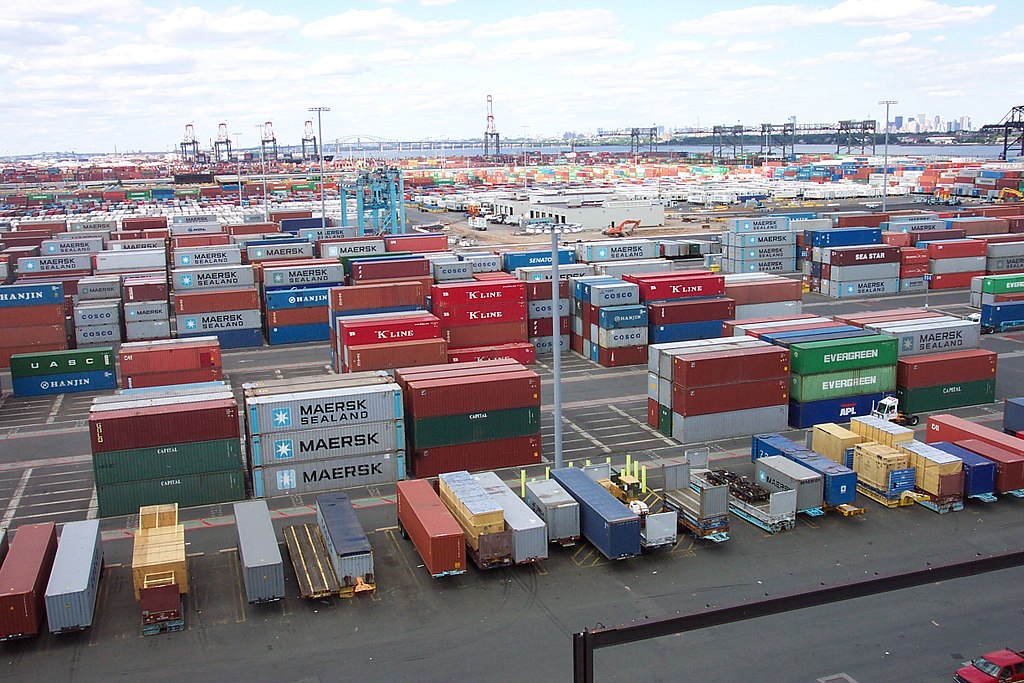
Mexico (EWW) and Canada (EWC) received a temporary boost after the White House confirmed that goods shipped under the United States-Mexico-Canada Agreement (USMCA) will be largely exempt from the newly implemented 10% global tariff. The announcement follows a landmark U.S. Supreme Court ruling that struck down President Donald Trump’s use of emergency powers to impose significantly higher tariffs on key trading partners.
Under the previous tariff structure, non-USMCA-compliant goods faced steep duties of 25% for Mexico and 35% for Canada. With the shift to a 10% global tariff and broad USMCA exemptions, economists at Desjardins and Grupo Financiero Base estimate that the effective tariff rate will decline slightly to around 3.7% for Canada and 4.4% for Mexico. This adjustment lowers immediate trade tensions and reduces the “tax wall” facing North American exporters.
The exemption is particularly important for the automotive and energy sectors, including ETFs such as CARZ and XLE. By preventing heavy tariffs on oil, auto parts, and critical manufacturing components, the decision helps stabilize cross-border supply chains and limits price volatility for businesses and consumers.
Despite the short-term relief, trade uncertainty remains elevated. While the Supreme Court ruling removed one of Trump’s preferred tools for imposing broad tariffs, the administration retains alternative mechanisms such as Section 301 investigations and Section 232 national security probes. Trade experts warn these targeted measures could be used to pursue country-specific actions, keeping markets on edge.
The 2026 USMCA review represents the most significant long-term risk for the Mexican peso (MXN) and Canadian dollar (CAD). Reports suggest Trump has questioned the agreement’s future, raising concerns about potential renegotiation or stricter enforcement. Although the current exemption eases pressure on North American trade, investors should expect a persistent “USMCA risk premium” as policy uncertainty continues to shape currency markets, equities, and cross-border investment flows.







