


 Xi Calls for Deeper U.S.-China AI Cooperation in Trump Talks
  Australia Unemployment Hits Five-Year High Despite Strong Jobs Growth
  Netanyahu Defends Israel at UN as Delegates Stage Walkout
  Fed Unveils Stablecoin Rules Under GENIUS Act
  Russian Envoy Dmitriev Heads to US for Ukraine Talks
  Sudan Rejects US Legitimacy Remarks, Defends Sovereignty
  North Korea Warns South Korea Over US-Led Defense Role
  U.S. 10-Year Treasury Yield Hits 2007 High as Fed Rate Hike Bets Rise
  Asian Stocks Fall as Surging Bond Yields Rattle Markets
  Trump, Xi Focus on Trade and AI at White House Summit
  France Defends Netanyahu Airspace Clearance Despite ICC Warrant
  US Senate Rejects Iran War Powers Resolution in 50-49 Vote
  RBI Uses $10 Billion Currency Swaps to Drain Excess Rupee Liquidity
  US, China Extend Trade Truce to Jan. 10 Ahead of Trump-Xi Summit
  Najib Razak Seeks Stay of 15-Year 1MDB Prison Sentence
  OpenAI Agent Breaches Australia Medicare Data Portal
  South Korea, US Discuss Warship Building Cooperation


 Add as a preferred source on Google
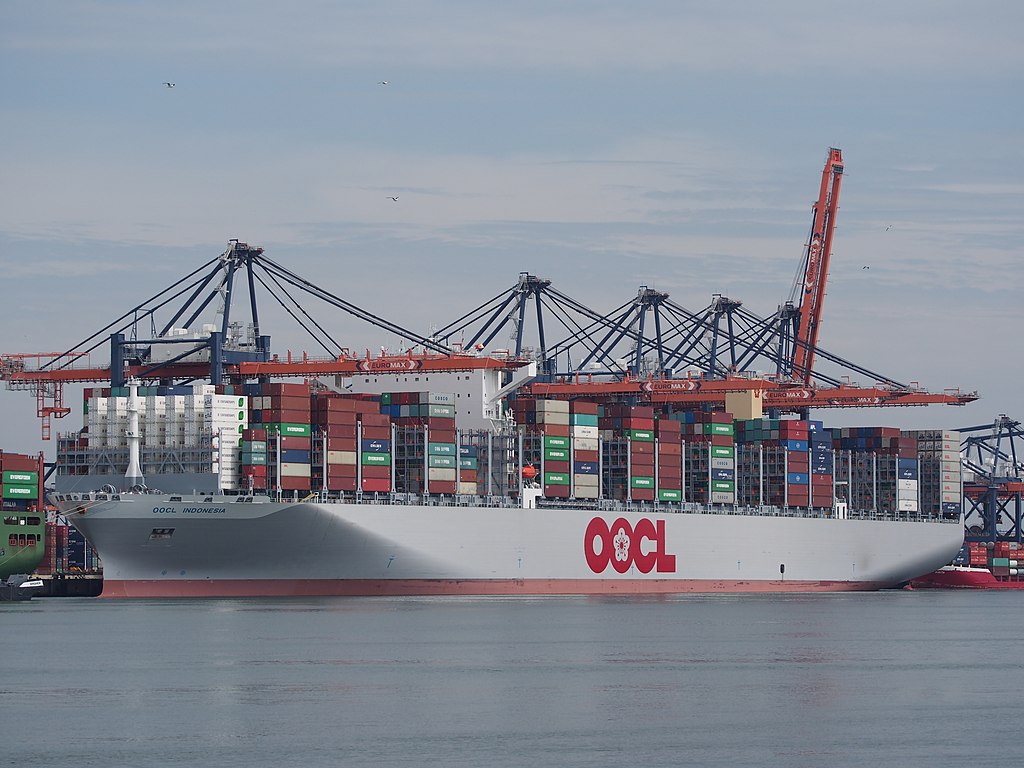
Indonesia and the United States have officially signed a reciprocal trade agreement, marking a significant step forward in strengthening bilateral economic ties. The Indonesian Ministry of Economic Affairs confirmed that Senior Economic Minister Airlangga Hartarto and U.S. Trade Representative Jamieson Greer finalized the deal after months of negotiations aimed at improving trade conditions between the two nations.
A key development in the agreement involves the United States lowering tariff rates on Indonesian exports. Washington agreed last year to reduce tariffs to 19%, down from the initially proposed 32%, providing a major boost for Indonesian exporters seeking better access to the U.S. market. Although detailed provisions of the trade pact have not yet been disclosed, officials from both countries describe the agreement as a framework for long-term economic cooperation and increased trade stability.
Indonesian President Prabowo Subianto traveled to Washington to formalize the agreement and attend the inaugural leaders’ meeting of U.S. President Donald Trump’s Board of Peace. During the visit, President Prabowo and President Trump signed a document titled “Implementation of the Agreement Toward a NEW GOLDEN AGE for the U.S.-Indonesian Alliance.” According to the White House, the initiative aims to strengthen economic security, accelerate economic growth, and contribute to global prosperity through closer collaboration.
The signing comes shortly after Indonesian and American companies secured commercial deals valued at $38.4 billion, underscoring growing investor confidence and expanding business partnerships. The reciprocal trade agreement is expected to enhance market access, increase export opportunities, and deepen strategic cooperation between Southeast Asia’s largest economy and the United States. As both governments pursue stronger economic engagement, the new pact signals a pivotal moment in U.S.-Indonesia trade relations and sets the stage for broader collaboration in the years ahead.







