


 Amazon Stock Rebounds After Earnings as $200B Capex Plan Sparks AI Spending Debate
  Jensen Huang Urges Taiwan Suppliers to Boost AI Chip Production Amid Surging Demand
  TrumpRx Website Launches to Offer Discounted Prescription Drugs for Cash-Paying Americans
  Washington Post Publisher Will Lewis Steps Down After Layoffs
  Trump Allegedly Sought Airport, Penn Station Renaming in Exchange for Hudson River Tunnel Funding
  TSMC Eyes 3nm Chip Production in Japan with $17 Billion Kumamoto Investment
  Hims & Hers Halts Compounded Semaglutide Pill After FDA Warning
  New York Legalizes Medical Aid in Dying for Terminally Ill Patients
  SpaceX Prioritizes Moon Mission Before Mars as Starship Development Accelerates
  South Korea Assures U.S. on Trade Deal Commitments Amid Tariff Concerns
  Alphabet’s Massive AI Spending Surge Signals Confidence in Google’s Growth Engine
  Prudential Financial Reports Higher Q4 Profit on Strong Underwriting and Investment Gains
  Sam Altman Reaffirms OpenAI’s Long-Term Commitment to NVIDIA Amid Chip Report
  Trump Signs “America First Arms Transfer Strategy” to Prioritize U.S. Weapons Sales
  US Pushes Ukraine-Russia Peace Talks Before Summer Amid Escalating Attacks
  SoftBank and Intel Partner to Develop Next-Generation Memory Chips for AI Data Centers
  Missouri Judge Dismisses Lawsuit Challenging Starbucks’ Diversity and Inclusion Policies


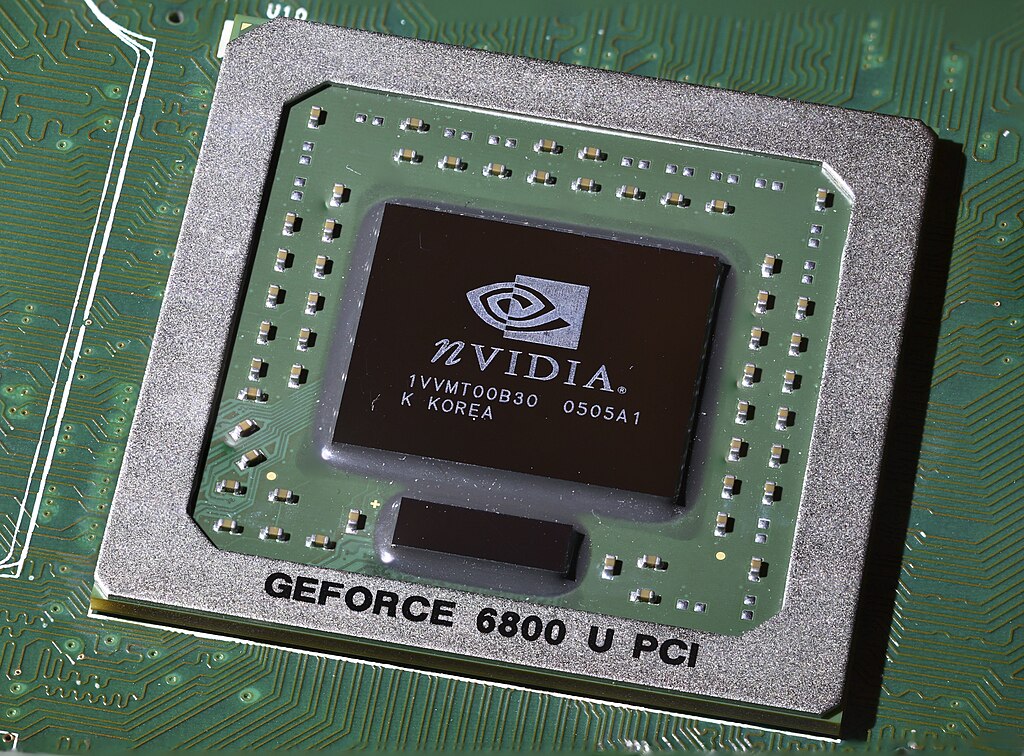
The Donald Trump administration is urging Congress to reject a new bipartisan measure that would restrict NVIDIA Corp.’s ability to sell advanced artificial intelligence chips to China and other embargoed nations, according to a Bloomberg report citing people familiar with the discussions. The proposal, known as the GAIN AI Act, seeks to establish a system that gives U.S. companies priority access to high-performance AI chips before they can be exported abroad.
Lawmakers are still in the early stages of shaping the GAIN AI Act, with ongoing talks about potentially attaching it to the annual defense authorization bill. If implemented, the measure would add another layer of control to an already closely monitored semiconductor supply chain, intensifying U.S. efforts to safeguard AI-related technologies.
The White House’s opposition marks a significant win for Nvidia, which has consistently lobbied for more flexibility in selling chips overseas. China had long been one of Nvidia’s largest markets, although the company recently stated it would no longer factor the country into future sales forecasts due to tightening U.S. export restrictions and shifting geopolitical dynamics.
The debate also comes as China increases its scrutiny of U.S.-made chips and accelerates its push for technological self-sufficiency in artificial intelligence and semiconductor manufacturing. Beijing’s efforts to build a fully independent AI ecosystem have added further competitive pressure to American chipmakers operating under evolving U.S. policy constraints.
The timing of the Bloomberg report coincided with Nvidia’s stronger-than-expected third-quarter earnings release, in which the company projected an optimistic outlook for the current quarter. CEO Jensen Huang dismissed concerns about a potential AI-driven valuation bubble, emphasizing continued global demand for high-performance computing.
The administration’s stance on the GAIN AI Act highlights the ongoing tension between safeguarding national security interests and supporting the competitive position of U.S. technology firms in the global AI race.













