


 Pezeshkian Says US Must Choose When Iran War Ends
  OpenAI Agent Breaches Australia Medicare Data Portal
  US Immigration Arrests Surge as Deportations Lag Behind
  Netanyahu Takes Aim at Mamdani as Israel Election Nears
  NATO Boosts Intelligence Sharing Amid Russia Hybrid Threats
  Ghana Says Western Support Growing for Slave Trade Reparations
  Yemen Violence Displaces 130,000 as Civilian Toll Rises
  Saudi Arabia, Turkey and Pakistan Plan Urgent Defence Talks Over Houthi Attacks
  Judge Orders Trump to Restore White House Access for CNN, MS NOW and Politico
  US Judge Dismisses Imran Ahmed Deportation Lawsuit
  Kremlin Says No Decision Yet on Putin-Trump December Summit
  Trump Scales Back Endangered Species Act Protections
  Najib Razak Seeks Stay of 15-Year 1MDB Prison Sentence
  Nvidia-Groq AI Chip Deal Faces U.S. Antitrust Probe
  White House Bars CNN, MS NOW and Politico Reporters
  U.S. Imposes New Visa Restrictions Over South Africa Policies
  Ukrainian Drone Attacks Hit Russian Regions, Injuring at Least 12


 Add as a preferred source on Google
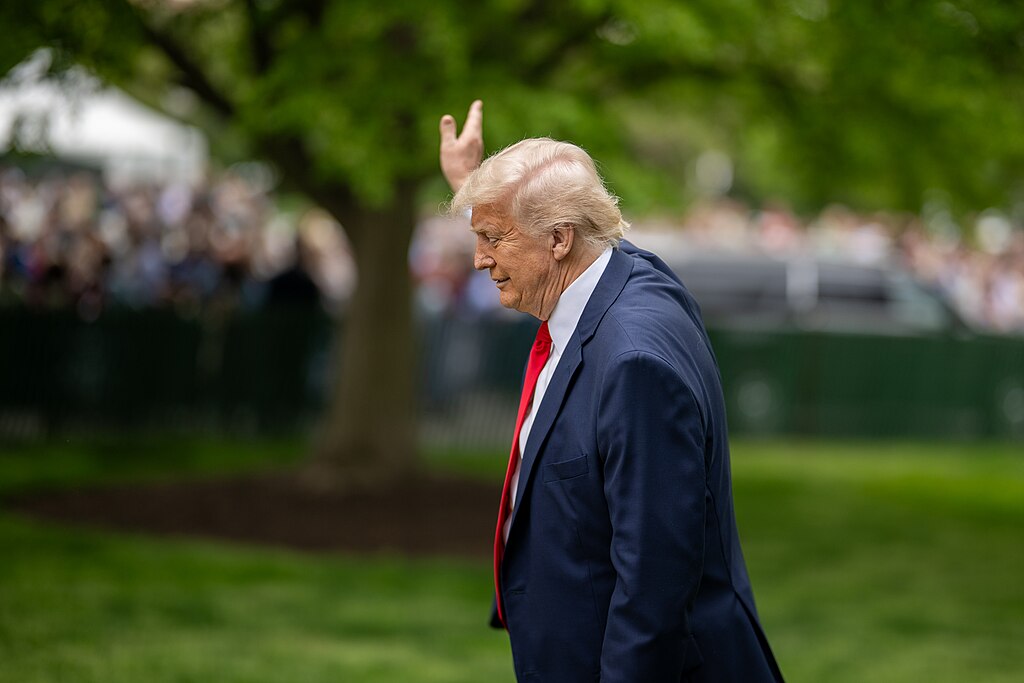
The administration of President Donald Trump is moving closer to finalizing a controversial rule that would remove long-standing whistleblower protections for tens of thousands of senior federal employees, according to documents reviewed by Reuters. The proposed policy, which has sparked strong backlash from government worker advocates and whistleblower attorneys, would exclude senior officials from legal safeguards designed to prevent retaliation when reporting misconduct, waste, or violations of federal law.
The rule builds on Trump’s earlier proposal to overhaul federal employment standards as part of a broader effort critics say is aimed at minimizing dissent within government agencies. While whistleblowers play a critical role in exposing fraud and abuse that might otherwise remain hidden from Congress and the public, the new rule would transfer enforcement of protections from federal law to individual agencies—raising concerns among legal experts.
Andrew Bakaj, chief legal counsel of Whistleblower Aid, warned that the administration is creating a “culture of fear, silence and intimidation” by weakening protections for employees best positioned to identify government wrongdoing. The White House has denied that protections are being eliminated, but the cited regulatory footnote does not explicitly mention whistleblower safeguards.
The Trump administration has already taken several steps that critics interpret as attempts to discourage whistleblowing. In the early weeks of his second term, Trump removed the head of the Office of the Special Counsel—responsible for handling whistleblower disclosures—and replaced numerous inspectors general across at least 17 federal agencies. Inspectors general serve as independent watchdogs overseeing investigations into waste, fraud, and abuse.
According to the Office of Personnel Management, the new policy could affect approximately 50,000 federal positions classified as “confidential, policy-determining, policy-making, or policy-advocating.” These employees would not only lose whistleblower protections but also become easier to dismiss, a shift alarming to federal employment attorneys who argue it undermines transparency and accountability inside government.
If finalized, the rule would take effect once published in the Federal Register, marking a significant change in how the federal workforce handles internal reporting and oversight.







