


 Australia Tightens Student Visa Rules, Targets Migration Cut by 2028
  EU Defence Build-Up Too Slow for 2030 Russia Readiness Goal
  US Backs Musk in Fight Against EU’s €120 Million X Fine
  US Judge Dismisses Imran Ahmed Deportation Lawsuit
  South Korea, US Discuss Warship Building Cooperation
  US Resumes Immigrant Visa Processing for Hungary, Poland
  Canada Unveils Bill to Fast-Track Major Resource Projects
  Synthetic data could ease people’s concerns about privacy breaches. But who gets to create it?
  Trump, Xi Focus on Trade and AI at White House Summit
  DOJ Will Investigate AI-Related Crimes, Attorney General Blanche Says
  Ghana Says Western Support Growing for Slave Trade Reparations
  Judge Orders Trump to Restore White House Access for CNN, MS NOW and Politico
  Trump Administration Removes Confederate Memorial Criticism From Arlington Website
  Saudi Arabia, Turkey and Pakistan Plan Urgent Defence Talks Over Houthi Attacks
  OpenAI Agent Breaches Australia Medicare Data Portal
  Abbas Reaffirms November 28 Palestinian Elections
  Yemen Violence Displaces 130,000 as Civilian Toll Rises


 Add as a preferred source on Google
The Trump administration has announced a policy shift allowing federal employees to work from home or adjust their schedules for religious observances, including fasting and prayer. This marks a significant softening of President Donald Trump’s earlier mandate that all federal workers report to their offices five days a week.
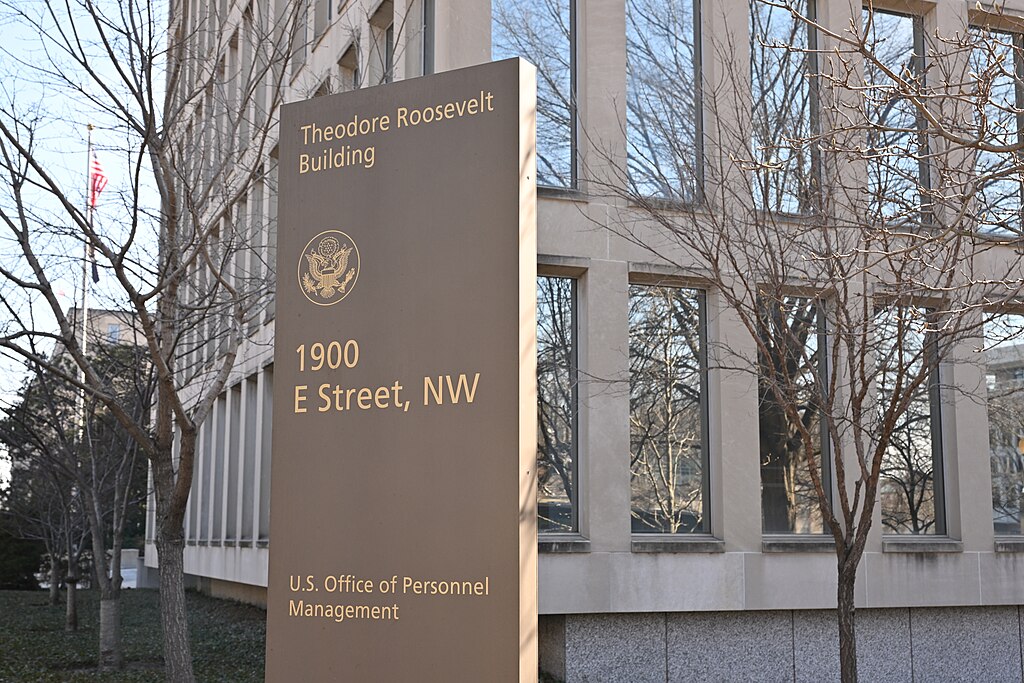
The Office of Personnel Management (OPM), under Director Scott Kupor, urged federal agencies to take a “generous approach” when handling employee requests tied to religious holidays. Workers observing religious fasts may request telework accommodations or flexible hours, and agencies denying such requests must show “evidence of significant operational impact,” Kupor said.
The updated guidance follows Trump’s campaign promises to eliminate remote work, which he criticized as wasteful and vowed to end. After the election, he even threatened to fire employees who refused to return to office-based work. However, recent exceptions—including for military spouses—signal a gradual shift in federal telework policy.
Elon Musk, CEO of Tesla and a vocal supporter of Trump’s cost-cutting initiatives, previously predicted that revoking remote work privileges would lead to mass resignations, which he welcomed.
As of May 2024, nearly half of the federal civilian workforce—more than 1 million employees—were eligible for part-time remote work, according to a Biden-era report. About 10% worked entirely from home.
The policy update reflects a balancing act between maintaining in-person productivity and respecting religious freedom. By relaxing restrictions during religious periods, the administration appears to be adjusting its hardline stance to accommodate the diverse needs of the federal workforce, while still maintaining its broader opposition to widespread telework.
This latest move could influence future debates around federal remote work policy, particularly as religious accommodation and flexible work continue to intersect in government employment.







