


 France Defends Netanyahu Airspace Clearance Despite ICC Warrant
  Judge Orders Trump to Restore White House Access for CNN, MS NOW and Politico
  ICE Agent Arrested in Minneapolis Over Venezuelan Man Shooting
  Canada Unveils Bill to Fast-Track Major Resource Projects
  US Backs Musk in Fight Against EU’s €120 Million X Fine
  US Northeast Airports Resume Operations After Telecom Outage Disrupts Thousands of Flights
  South Korea, US Discuss Warship Building Cooperation
  Trump, Xi Focus on Trade and AI at White House Summit
  Gaza Faces Evacuation Crisis as War-Damaged Buildings Risk Collapse
  US Invites Putin to Miami G20, Opening Door to Trump Summit
  Saudi Arabia Shuts East-West Oil Pipeline After Drone Attack
  China Reviews Broadcom Switch Use in State Data Centres
  Australia Tightens Student Visa Rules, Targets Migration Cut by 2028
  Trump Administration Plans Faster FDA Reviews for Smoke-Free Nicotine Products
  US Senate Rejects Iran War Powers Resolution in 50-49 Vote
  Taiwan Thanks US for Support Ahead of Trump-Xi Summit


 Add as a preferred source on Google
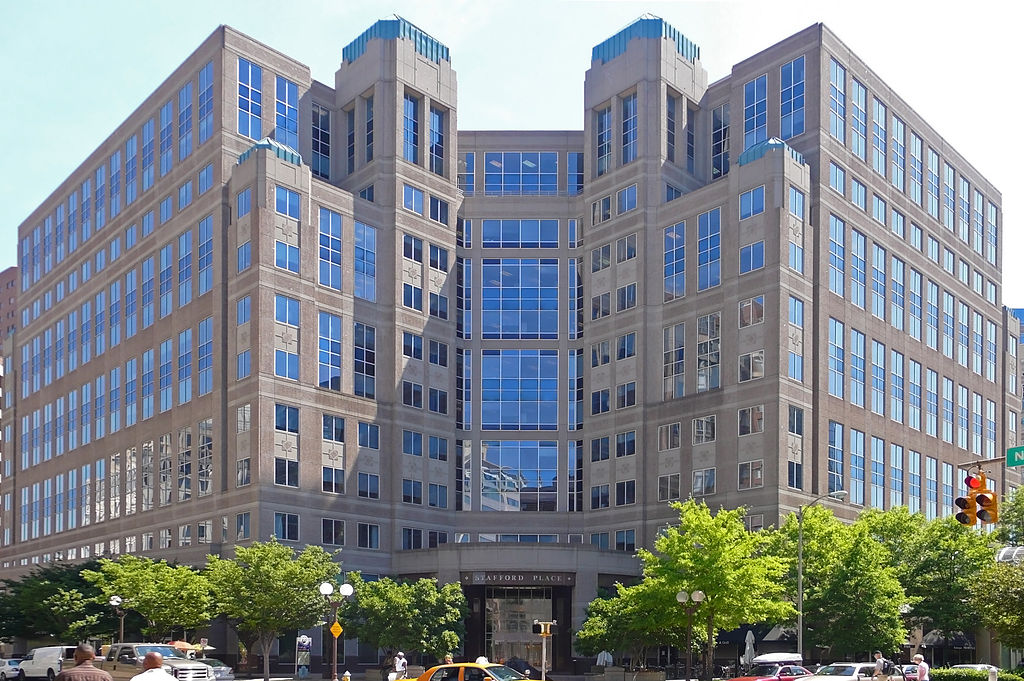
The Trump administration has removed all members of the National Science Board, a key advisory body overseeing the National Science Foundation (NSF), according to statements from two former board members. The sudden termination of more than 20 officials has sparked debate about the future of independent scientific governance in the United States.
Established in 1950, the National Science Board plays a critical role in shaping U.S. science and engineering policy. Its members, typically appointed for six-year terms, are responsible for guiding NSF priorities and advising both the president and Congress on research and innovation strategies. The board has historically included a diverse mix of experts from academia, industry, nonprofit organizations, and national laboratories.
Former board members Yolanda Gil and Keivan Stassun confirmed that all 22 members were dismissed effective immediately, with no explanation provided. Gil, affiliated with the University of Southern California’s Information Sciences Institute, stated that the termination notice offered no reasoning. Stassun, a Vanderbilt University professor, expressed disappointment but noted that similar actions across federal institutions made the move somewhat expected.
Since taking office in early 2025, President Donald Trump has faced criticism from political analysts who argue that his administration is increasing control over independent agencies. Experts suggest that replacing board members with aligned leadership could reshape policy direction and reduce critical oversight.
The National Science Foundation has declined to comment directly, referring inquiries to the White House. In response, a White House official indicated that the board’s authority, originally defined by Congress, may require modernization. The official emphasized that NSF operations continue without disruption despite the leadership changes.
This development has intensified discussions about the balance between political influence and scientific independence, especially as the NSF remains a cornerstone of U.S. research funding and innovation.







