


 Asian Currencies Mixed as Dollar Holds Near Two-Month High
  Asian Stocks Fall as Bond Yields Surge Ahead of Trump-Xi Summit
  Yemen Violence Displaces 130,000 as Civilian Toll Rises
  RBI Uses $10 Billion Currency Swaps to Drain Excess Rupee Liquidity
  Kremlin Says No Decision Yet on Putin-Trump December Summit
  Australia Unemployment Hits Five-Year High Despite Strong Jobs Growth
  Oil Prices Jump 3% as Houthi Attack Revives Supply Fears
  Russian Missile and Drone Attack on Kyiv Kills Two, Damages Maternity Hospital
  Gold Drops Over 1% as Dollar, Treasury Yields Surge on Fed Rate Hike Bets
  France Defends Netanyahu Airspace Clearance Despite ICC Warrant
  Oil Prices Surge as U.S.-Iran Diplomacy Hopes Fade
  Trump, Xi Focus on Trade and AI at White House Summit
  Abbas Reaffirms November 28 Palestinian Elections
  Ghana Says Western Support Growing for Slave Trade Reparations
  South Korea, US Discuss Warship Building Cooperation
  Russian Envoy Dmitriev Heads to US for Ukraine Talks
  European Stocks Fall as Bond Yields and Geopolitical Risks Weigh


 Add as a preferred source on Google
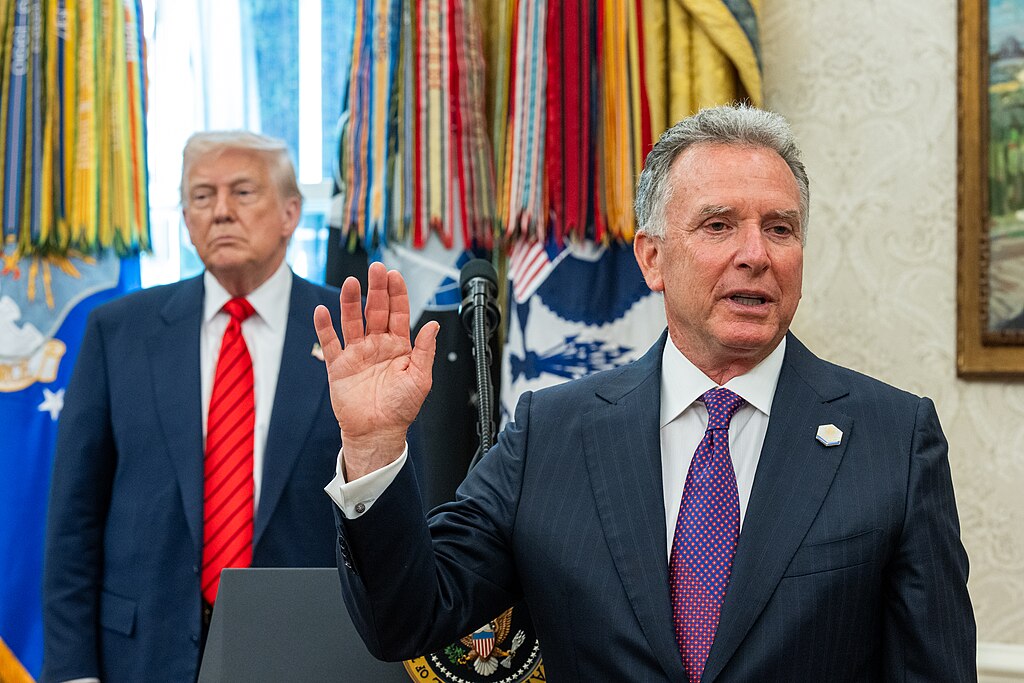
U.S. President Donald Trump said Iran can initiate negotiations to end the ongoing two-month conflict simply by making contact, even as diplomatic efforts show little progress. His remarks came as Iran’s Foreign Minister Abbas Araqchi arrived in Russia to seek support from President Vladimir Putin, highlighting the growing geopolitical stakes in the U.S.-Iran war.
Tensions remain high after peace talks stalled over the weekend, causing oil prices to rise and U.S. stock futures to slip during early Asian trading. The disruption is largely tied to restricted access through the Strait of Hormuz, a critical global shipping route that handles roughly 20% of the world’s oil supply. Iran has significantly limited passage through the strait, while the United States continues its blockade of Iranian ports, worsening the global economic outlook and fueling inflation concerns.
Trump, speaking in a televised interview, reiterated that Iran must abandon any pursuit of nuclear weapons as a condition for negotiations. While Tehran insists its nuclear program is for peaceful energy purposes, Western nations remain skeptical. The disagreement over uranium enrichment continues to be a central obstacle in resolving the conflict.
Efforts to mediate the crisis have involved countries like Pakistan and Oman, but progress has been minimal. Trump recently canceled a planned diplomatic visit by senior envoys, citing dissatisfaction with Iran’s proposals. Reports suggest Iran offered a new plan involving reopening the Strait of Hormuz, but postponing nuclear discussions, though U.S. officials have not confirmed this.
Domestic pressure is mounting on Trump to end the war, which has already caused thousands of casualties and economic instability worldwide. Meanwhile, Iran is leveraging its strategic control over the strait to strengthen its bargaining position despite military setbacks.
The conflict also extends beyond nuclear issues, with the U.S. pushing Iran to reduce support for regional groups such as Hezbollah and Hamas. Iran, in turn, demands sanctions relief and an end to Israeli military actions. As both sides remain deeply divided, the path to a lasting peace agreement appears uncertain.







