


 Trump Scales Back Endangered Species Act Protections
  White House Bars CNN, MS NOW and Politico Reporters
  SEC Seeks ISS Client Voting Records in Proxy Adviser Probe
  ICE Agent Arrested in Minneapolis Over Venezuelan Man Shooting
  South Korea to Brief Lawmakers on $350 Billion US Investment Package
  UK, Mauritius Seek Diego Garcia Base Deal
  Synthetic data could ease people’s concerns about privacy breaches. But who gets to create it?
  US Bans Canadian Alcohol, Motorcycles as Trade War Escalates
  FCC Approves Foreign Investment in $110B Paramount-Warner Bros. Deal
  US, Denmark and Greenland Set to Sign Arctic Security Deal
  Trump Grants Clemency to Jay-Z Associate Emory Jones
  Russian Drone Attacks Kill Four in Kyiv Region, Including Three Children
  Canada Unveils Bill to Fast-Track Major Resource Projects
  Trump Open to Pezeshkian Meeting as Iran Tensions Escalate
  US Plans Two New Military Bases in Greenland Under Arctic Deal
  US Resumes Immigrant Visa Processing for Hungary, Poland


 Add as a preferred source on Google
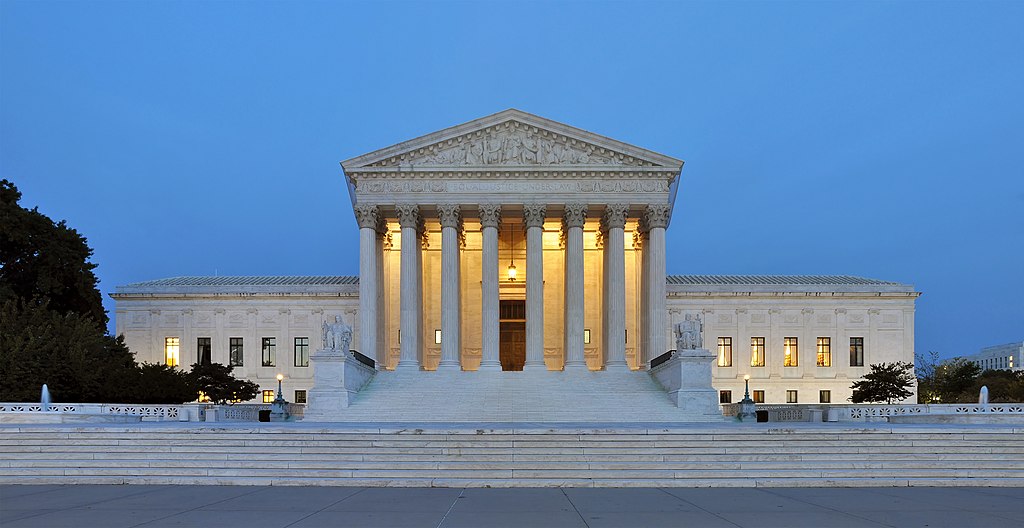
The Trump administration has asked the U.S. Supreme Court to pause arguments in a case challenging California's stricter vehicle emission and electric car standards under the Clean Air Act. This move signals potential changes in legal stances compared to the Biden administration, aligning more closely with the Supreme Court's 6-3 conservative majority, which includes three Trump-appointed justices.
The case revolves around a 2022 EPA decision, under Biden, granting California a waiver to enforce more stringent emission standards and a zero-emission vehicle mandate. This decision reversed a 2019 Trump-era policy rescinding California's authority to exceed federal emission limits. The EPA waiver, originally reinstated under Biden, allows California to set rules stricter than federal standards, with 11 other states adopting similar regulations.
Acting Solicitor General Sarah Harris stated that the EPA is reassessing the 2022 decision, which could impact whether challengers like Valero's Diamond Alternative Energy and others have legal standing. These challengers argue that the EPA exceeded its authority under the Clean Air Act, harming their business by reducing liquid fuel demand. The U.S. Court of Appeals previously dismissed these claims, citing insufficient legal standing.
The Supreme Court has recently restricted EPA powers in significant rulings, including limits on regulating coal emissions and water pollution. On his first day back in office, Trump issued an executive order seeking to repeal California's December EPA waiver, which supports a 2035 ban on gasoline-only vehicles. Trump’s directive aims to end waivers that restrict sales of gasoline-powered cars, marking a significant challenge to state-level environmental policies.
This case could reshape federal and state roles in environmental regulation while impacting industries reliant on traditional fuel sources.







