


 FBI, Coast Guard Board Ships After Cyberattacks
  Australia Plans New Rules Giving Users Control Over Social Media Feeds
  BOJ Raises Interest Rate to 31-Year High as Yen Weakens
  Saudi Arabia Shuts East-West Oil Pipeline After Drone Attack
  ICE Agent Arrested in Minneapolis Over Venezuelan Man Shooting
  Vietnam, U.S. Firms Plan 29 Deals Across Energy, Tech and Aviation
  US-China Experts Push AI Nuclear Safeguards to Prevent Military Escalation
  Pentagon Restarts Testosterone Testing for US Troops
  Australia Tightens Student Visa Rules, Targets Migration Cut by 2028
  Guterres Urges Stronger Global AI Safeguards Ahead of UN Assembly
  U.S. Issues Cuba Health Alert as Illnesses Rise
  Japan, U.S. Discuss $19 Billion GlobalFoundries Chip Plant
  Yemen Fighting Threatens Red Sea Oil Routes
  Paris Talks Focus on Lebanon Army Needs as UNIFIL Exit Looms
  European Stocks Rally After Fed Hike, Iran Peace Hopes
  France Urges Faster AI Push Despite Safety Risks


 Add as a preferred source on Google
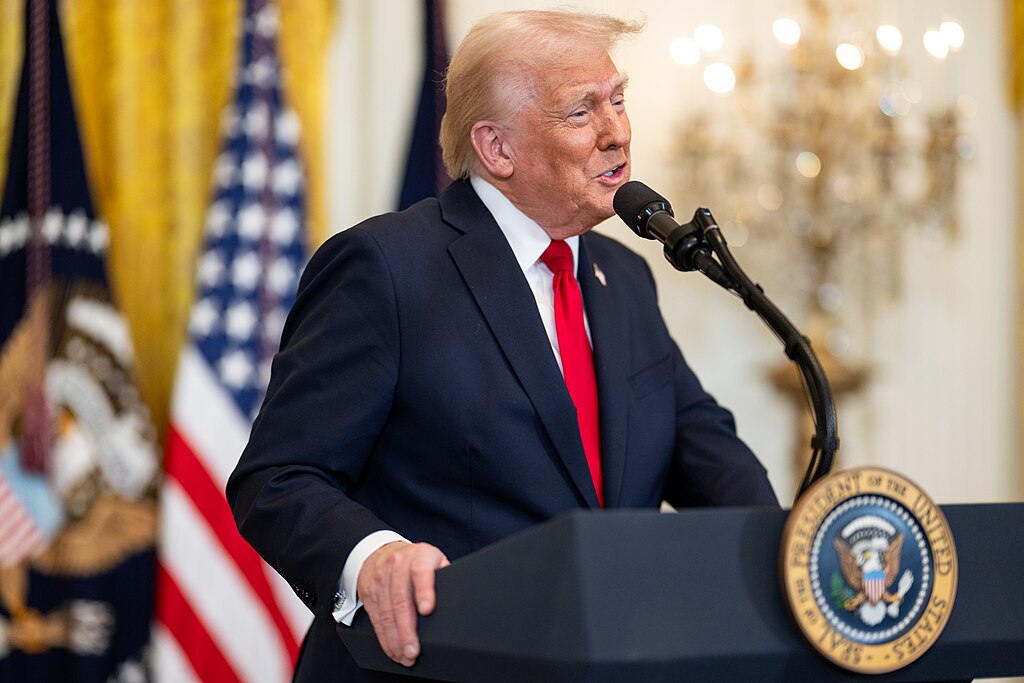
The U.S. Congressional Budget Office (CBO) cautioned that President Trump's proposed 2026 federal budget—featuring deep cuts to scientific research—could significantly hinder the introduction of new drugs. The plan suggests slashing National Institutes of Health (NIH) funding by a staggering $18 billion, a roughly 40% reduction. According to the CBO, a modest 10% decrease in NIH-preclinical research funding would shrink the pipeline of phase 1 drug candidates by one in the first decade, nine in the second, and about twenty in the third, ultimately reducing new drug approvals by 4.5%, equating to around two fewer drugs per year.
Preclinical research represents the earliest phase of discovery, meaning the full effects of NIH funding cuts would emerge gradually over decades. Although the CBO did not quantify the impact of trimming clinical-trial budgets, it warned that such cuts would accelerate the drop in new drug approvals.
In addition, Democrats asked the CBO to model the outcomes of deeper NIH cuts—between 35% and 38%—but the agency said historical data was insufficient for reliable estimates. The CBO is updating its drug development model to analyze these larger budget scenarios further.
Another concern highlighted was delays at the U.S. Food and Drug Administration (FDA). Following mass layoffs that removed 3,500 employees (some positions have since been restored), the Trump administration proposed reducing the FDA’s 2026 budget to $6.8 billion—a 5.5% decrease. The CBO found that if FDA review times for new drug applications were extended by nine months, the U.S. could see three fewer drugs approved in the first decade, and ten fewer in both the second and third decades. The agency noted that delays could have additional ramifications beyond its current analysis.
Overall, the CBO’s report underscores the potential long-term consequences of significant NIH and FDA funding reductions on American innovation and public health.







