


 US Comfortable With Canada Trade Standoff as Import Bans Loom
  North Korea Warns South Korea Over US-Led Defense Role
  Asian Currencies Mixed as Dollar Holds Near Two-Month High
  Abbas Reaffirms November 28 Palestinian Elections
  Trump, Xi Focus on Trade and AI at White House Summit
  Trump, Xi Visit US National Archives After White House Summit
  US Supreme Court Revives Trump Administration Voter Citizenship Database
  Japan Private-Sector Growth Slows as Domestic Demand Weakens
  Trump Warns China Against Supporting Iran in Xi Talks
  Yemen Violence Displaces 130,000 as Civilian Toll Rises
  Xi Calls for Deeper U.S.-China AI Cooperation in Trump Talks
  Fed’s Hammack Says Bond Yield Surge Is Not Driven by Inflation Fears
  Najib Razak Seeks Stay of 15-Year 1MDB Prison Sentence
  Dollar Falls as Oil Eases, Yen Jumps on Intervention Signals
  RBI Uses $10 Billion Currency Swaps to Drain Excess Rupee Liquidity
  Saudi Arabia Seeks Military Support as Houthi Attacks Escalate


 Add as a preferred source on Google
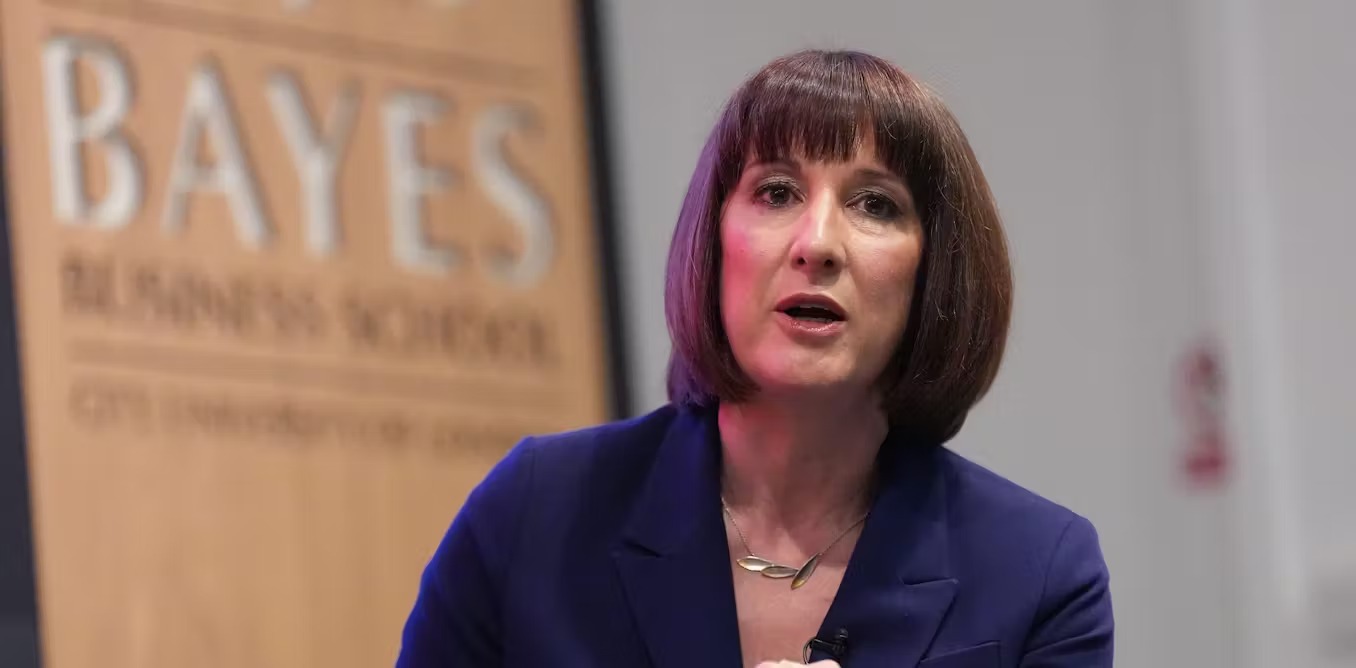
The National Institute of Economic and Social Research (NIESR) has advised British Finance Minister Rachel Reeves to break her pre-election promise not to raise taxes on working people and instead increase income tax in next month’s budget. The institute argues that other methods to raise the £30 billion ($40 billion) in needed revenue would be more harmful to the economy.
Before last year’s election, Reeves and Prime Minister Keir Starmer pledged not to raise income tax, social security contributions, or value-added tax (VAT) on “working people,” nor to increase the main corporation tax rate. However, growing fiscal challenges have put pressure on the government to reconsider these commitments.
In her first budget, Reeves raised National Insurance Contributions paid by employers but maintained her stance against increasing taxes on employees. Since then, Britain’s borrowing costs have exceeded expectations, a planned £5 billion cut in welfare spending has been scrapped, and the Office for Budget Responsibility has signaled weaker growth forecasts. Despite these challenges, both Starmer and Reeves have continued to assure voters they will uphold their tax promises.
NIESR cautioned that alternative revenue sources, such as a new wealth tax or a land value tax, could have unintended economic consequences. A wealth tax might discourage savings and investment, while a land value tax, though efficient, would take significant time to implement.
The think tank concluded that increasing one of the major taxes—corporation tax, income tax, employee National Insurance, or VAT—may be inevitable. Although a modest income tax rise could reduce consumer spending and work incentives, NIESR noted it would require only a small percentage increase compared to other taxes. Conversely, an equivalent VAT rise could have a far greater short-term economic impact, cutting disposable income by nearly 3% and shrinking GDP by almost 1%, adjusted for inflation.







