


 S&P Affirms Brazil’s BB Credit Rating with Stable Outlook Amid Fiscal Challenges
  Bessent Says U.S. Must Strengthen Supply Chains and Economic Security
  Crimea Power Outage After Ukrainian Drone Attack, Russian Authorities Say
  Peru Election Dispute Deepens as Roberto Sanchez Rejects Runoff Results
  Bank Regulation Rollbacks in the U.S. and UK Could Increase Financial Risks, Study Warns
  Oil Prices Drop as Strait of Hormuz Shipping Recovers
  Japan Signals Preference for Low Interest Rates as BOJ Policy Debate Intensifies
  US Mobilizes Aid After Powerful Earthquakes Devastate Venezuela
  Trump Administration Rejects Claims of Rift Between JD Vance and Marco Rubio on Iran Policy
  SpaceX Eyes Starlink Mobile Phone Service to Challenge Verizon, AT&T, and T-Mobile
  Trump Requests $11 Billion More in Farm Aid as Rising Costs Pressure U.S. Farmers
  ICC Judges Sue Trump Administration Over Sanctions, Calling Measures Unlawful
  US Urges States and Businesses to Strengthen Taiwan Ties Amid China Pressure
  Asian Stocks Sink as Apple Price Hikes Spark AI Valuation Fears, South Korea and Japan Lead Selloff
  Asian Markets Rally as Micron and Qualcomm AI Outlook Lifts Global Tech Stocks
  US Senate Approves War Powers Resolution Urging Trump to End Iran Military Action
  US Seeks Gulf Support for Iran Peace Deal Amid Regional Tensions


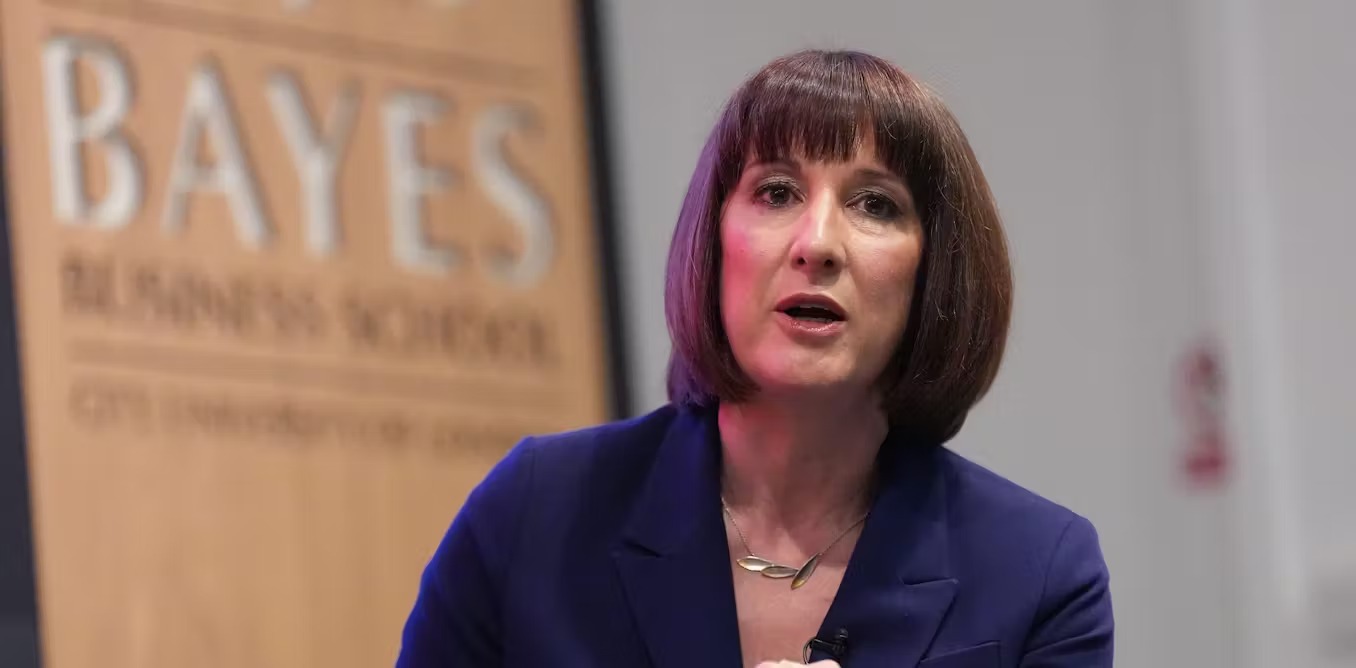
Britain’s finance minister, Rachel Reeves, is being urged to deliver a bold reform of the UK taxation system in her upcoming November 26 budget, rather than relying on short-term fixes or raising existing tax rates. The Institute for Fiscal Studies (IFS) has called for a comprehensive and strategic overhaul that could boost government revenue while minimizing the economic impact.
According to the IFS, Reeves faces the challenge of finding approximately £30 billion ($40 billion) to meet her fiscal targets and repair public finances. However, the think tank warned against “directionless tinkering and half-baked fixes.” Isaac Delestre, a senior research economist at the IFS, emphasized that the chancellor has “an opportunity to take real steps toward a more rational tax system.”
Reeves and Prime Minister Keir Starmer have pledged not to increase income tax, value-added tax (VAT), or national insurance for working people, nor to raise the main corporate tax rate. With limited options, attention is turning toward wealth and property taxation as potential revenue sources.
The IFS suggested reforms to existing wealth-related taxes—such as capital gains tax—rather than introducing a new annual wealth tax, which some Labour lawmakers have proposed. On property, the institute recommended shifting local tax burdens toward high-value areas like London, which have seen sharp house price increases, and scrapping the stamp duty on property transactions to encourage market activity.
Meanwhile, the National Institute of Economic and Social Research (NIESR) proposed that Reeves reconsider her tax pledges if necessary, arguing that raising taxes on working people might be less harmful than other, more distortionary revenue measures.
As expectations build ahead of the November budget, economists agree that meaningful reform—rather than incremental adjustments—could define Reeves’ fiscal legacy and reshape the UK’s economic landscape.







