


 The government is ‘doubling down’ on its social media ban. But bigger penalties for platforms aren’t enough
  AstraZeneca Halts Phase III Volrustomig Lung Cancer Trial After Efficacy Setback
  Hims & Hers Shares Fall as GLP-1 Costs Widen Q2 Loss
  UNAIDS Urges U.S. to Reconsider South Africa HIV Funding Withdrawal
  Novo Nordisk Raises 2025 Outlook Despite Wegovy Pill Miss and CagriSema Setback
  France Battles Mediterranean Wildfires as Heatwave Fuels Fire Risk
  White House Seeks $1.4 Billion to Combat Growing Ebola Outbreak
  3 clinical-grade skincare creams you really shouldn’t buy online
  Alcohol is one of the most dangerous drugs, yet its presence is ubiquitous in social settings and celebrations
  Novo Nordisk Eyes Turnaround as Oral Wegovy Challenges Eli Lilly in Weight-Loss Drug Race
  Moderna Short Sellers Hit With $4.8 Billion Loss as Stock Soars
  US Tightens Ebola Controls as Congo Outbreak Sparks Global Concern
  GSK Reportedly Nears $9 Billion Acquisition of Cancer Drug Developer Nuvalent
  RFK Jr. Orders Extended Hantavirus Quarantine for Cruise Passenger
  Should I take zinc or eat oysters to ward off colds, boost my immune system or improve fertility?
  Moderna Wins FDA Approval for mFLUSIVA mRNA Flu Vaccine for Adults 50+


 Add as a preferred source on Google
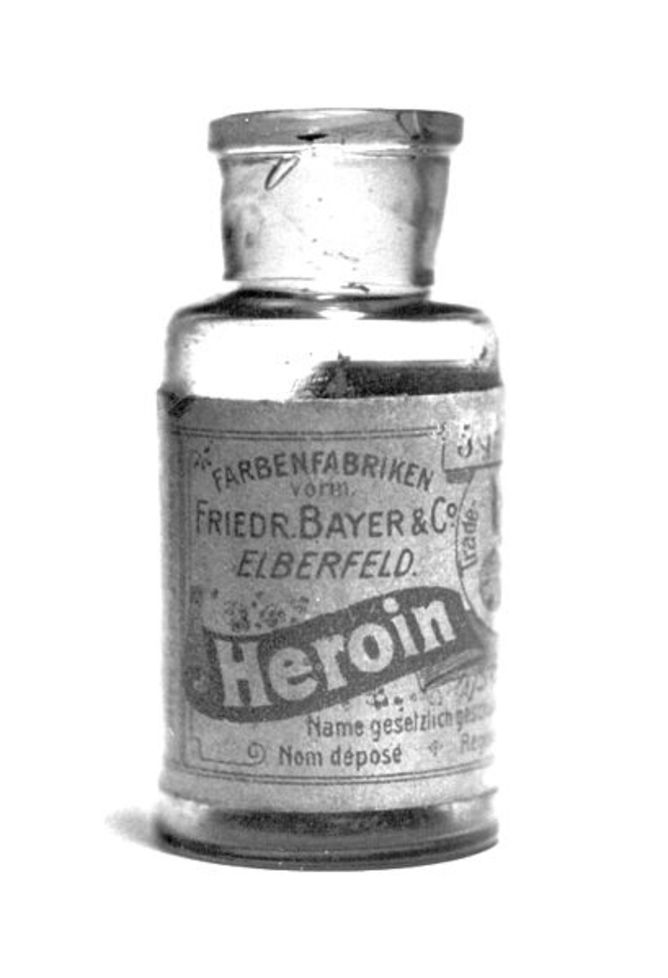

What are the the most addictive drugs? This question seems simple, but the answer depends on whom you ask. From the points of view different researchers, the potential for a drug to be addictive can be judged in terms of the harm it causes, the street value of the drug, the extent to which the drug activates the brain’s dopamine system, how pleasurable people report the drug to be, the degree to which the drug causes withdrawal symptoms, and how easily a person trying the drug will become hooked.
There are other facets to measuring the addictive potential of a drug, too, and there are even researchers who argue that no drug is always addictive. Given the varied view of researchers, then, one way of ranking addictive drugs is to ask expert panels. In 2007, David Nutt and his colleagues asked addiction experts to do exactly that – with some interesting findings.
1. Heroin
Nutt et al.’s experts ranked heroin as the most addictive drug, giving it a score of 2.5 out of a maximum score of 3. Heroin is an opiate that causes the level of dopamine in the brain’s reward system to increase by up to 200% in experimental animals. In addition to being arguably the most addictive drug, heroin is dangerous, too, because the dose that can cause death is only five times greater than the dose required for a high.
Heroin also has been rated as the second most harmful drug in terms of damage to both users and to society. The market for illegal opiates, including heroin, was estimated to be $68 billion worldwide in 2009.
2. Alcohol
Although legal in the US and UK, alcohol was rated as the second most addictive substance by Nutt et al.’s experts (scoring 2.2 out of a maximum of 3). Alcohol has many effects on the brain, but in laboratory experiments on animals it increased dopamine levels in the brain’s reward system by 40-360% – and the more the animals drank the more dopamine levels increased.

Oh, go on! Just one more. Gavin Schaefer/flickr, CC BY
Some 22% of people who have taken a drink will develop dependence on alcohol at some point during their life. The WHO has estimated that 2 billion people used alcohol in 2002 and more than 3m people died in 2012 due to damage to the body caused by drinking. Alcohol has been ranked as the most damaging drug by other experts, too.
3. Cocaine
Cocaine directly interferes with the brain’s use of dopamine to convey messages from one neuron to another. In essence, cocaine prevents neurons from turning the dopamine signal off, resulting in an abnormal activation of the brain’s reward pathways. In experiments on animals, cocaine caused dopamine levels to rise more than three times the normal level. It is estimated that between 14-20m people worldwide use cocaine and that in 2009 the cocaine market was worth about $75 billion.
Crack cocaine has been ranked by experts as being the third most damaging drug and powdered cocaine, which causes a milder high, as the fifth most damaging. About 21% of people who try cocaine will become dependent on it at sometime in their life. Cocaine is similar to other addictive stimulants, such as methamphetamine – which is becoming more of a problem as it becomes more widely available – and amphetamine.
4. Barbiturates (‘downers’)
Barbiturates – also known as blue bullets, gorillas, nembies, barbs and pink ladies – are a class of drugs that were initially used to treat anxiety and to induce sleep. They interfere with chemical signalling in the brain, the effect of which is to shut down various brain regions. At low doses, barbiturates cause euphoria, but at higher doses they can be lethal because they suppress breathing. Barbiturate dependence was common when the drugs were easily available by prescription, but this has declined dramatically as other drugs have replaced them. This highlights the role that the context plays in addiction: if an addictive drug is not widely available, it can do little harm. Nutt et al’s expert panels rated barbiturates as the fourth most addictive substance.
5. Nicotine
Nicotine is the main addictive ingredient of tobacco. When somebody smokes a cigarette, nicotine is rapidly absorbed by the lungs and delivered to the brain. While Nutt et al’s expert panels rated nicotine (tobacco) as only the 12th most addictive substance, there are reasons to believe that nicotine is a very powerful addictive drug.

It puts a spell on you. Anton Raath/flickr, CC BY-SA
More than two-thirds of Americans who tried smoking reported becoming dependent during their life. In 2002 the WHO estimated there were more than 1 billion smokers and it has been estimated that tobacco will kill more than 8m people annually by 2030. Laboratory animals have the good sense not to smoke. However, rats will press a button to receive nicotine directly into their bloodstream – and this causes dopamine levels in the brain’s reward system to rise by about 25-40%.
 Eric Bowman has received funding from the UK Medical Research Council.
Eric Bowman, Lecturer in Psychology and Neuroscience , University of St Andrews
This article was originally published on The Conversation. Read the original article.







