


 Trump Orders DOJ Investigation Into Exxon, Chevron Over High Gas Prices
  Samsung Electronics Stock Surges on Report of Massive $59 Billion Share Buyback Plan
  Meta Reportedly Developing ‘Arena’ Prediction Market App to Rival Polymarket and Kalshi
  Tencent Reviews Marvelous Stake as Gaming Giant Reassesses Global Investment Strategy
  Nike CFO Shake-Up Fuels Concerns Over Turnaround Strategy
  Alphabet Replaces Verizon in Dow Jones Industrial Average
  Fortescue Faces Class Action Over Sexual Harassment Claims at Australian Mining Sites
  Anthropic AI Model Uncovers Vulnerabilities in Classified U.S. Government Systems During Security Test
  Samsung and SK Hynix Shares Jump After Micron Earnings Boost AI Chip Optimism
  Bain Capital Nears Deal for Majority Stake in Volkswagen Marine Engine Unit Everllence
  Meta Pauses Employee Activity Tracking Program Over Data Security Concerns
  KPMG Australia Chairman and Senior Partners Exit Amid Escalating Whistleblower Scandal
  FedEx Stock Drops After Weak 2026 Earnings Forecast Despite Strong Q4 Results
  Alibaba Shares Fall After Anthropic Alleges Massive AI Model Distillation Campaign
  Ryan Cohen Rejects GameStop Pay Package, Prepares New eBay Acquisition Plan
  SK Hynix Moves Closer to New York ADR Listing Amid AI Chip Boom
  Heineken Names JDE Peet’s CEO Rafael Oliveira as New Chief Executive


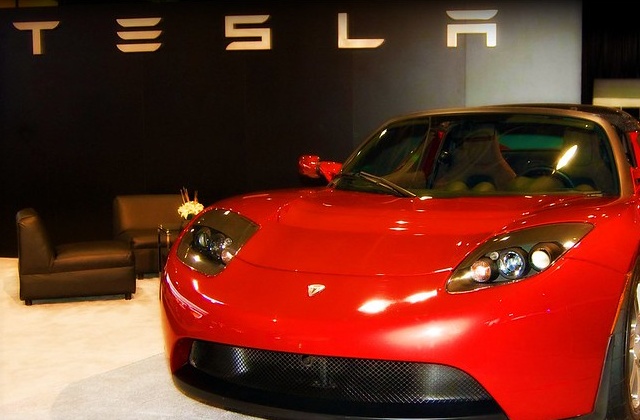
Tesla is the main reason why Elon Musk unseated Amazon owner Jeff Bezos as the world’s richest man in the world last month. The electric-car maker’s profits boosted Musk’s total net worth, and people can only assume that Tesla made millions for the sale of its EV cars.
But surprisingly, this is far from the truth. CNN Business reported that while Tesla is doing good amid the pandemic, the company’s 2020 net income did come from the car sales. The outlet revealed that carmakers actually earned more due to regulatory credits.
Tesla’s real source of profits
Based on the report, a total of 11 states in the U.S. require car manufacturing companies to sell a specific portion of zero-emissions vehicles by the year 2025. If the firms can’t do this, they have to purchase regulatory credits from another carmaker that meets the requirements set by the states.
One of the automakers that they can buy credits from is Tesla. Since many vehicle manufactories need the regulatory credits, Tesla just made a lucrative business out of selling the required credits.
In fact, it was said that Tesla was able to bring in around $3.3 billion in the last five years, and this was not from the EV cars sold, but more than half of this came from the sale of the regulatory credits.
Last year, Tesla received $1.6 billion from the regulatory credits alone, and this outdid the company’s net income of $721 million. This means that if not for the credits, Tesla would have suffered from a net loss in 2020.
"These guys are losing money selling cars,” Gordon Johnson of GLJ Research said. “They're making money selling credits and the credits are going away."
The 11 states that require cars to be zero-emission include California, New Jersey, Colorado, Connecticut, Maine, New York, Maryland, Massachusetts, Vermont, Oregon, and Rhode Island. Most of the car companies here purchased regulatory credits from Tesla.
Tesla’s growing competitors
Meanwhile, Tesla could really be at risk of earning less in the coming years as competitors in the electric vehicle trade are growing. More and more car builders have also started developing their own versions of EV cars, and quite a handful already released their models.
This is why the future of Tesla is not certain, even if it pioneered the electric car business. The entire industry is also moving to an all-electric future, and automakers are progressing rapidly. Thus, Tesla needs to innovate once again to keep up with new players in the EV trade.
"The competition is rendering Tesla's cars irrelevant," Johnson added. "We do not see this as a sustainable business model."







