


 Baseten Secures $1.5 Billion Funding at $13 Billion Valuation Amid AI Infrastructure Boom
  KPMG Australia Chairman and Senior Partners Exit Amid Escalating Whistleblower Scandal
  FedEx Stock Drops After Weak 2026 Earnings Forecast Despite Strong Q4 Results
  Doncasters Raises $919 Million in NYSE IPO as Aerospace Growth Accelerates
  Kioxia Targets U.S. Listing as AI Chip Boom Accelerates
  SpaceX Stock Rebounds After Sharp Selloff, But Valuation Concerns Persist
  Ryan Cohen Rejects GameStop Pay Package, Prepares New eBay Acquisition Plan
  Trump Orders DOJ Investigation Into Exxon, Chevron Over High Gas Prices
  SK Hynix Moves Closer to New York ADR Listing Amid AI Chip Boom
  Alibaba Shares Fall After Anthropic Alleges Massive AI Model Distillation Campaign
  SK Hynix Targets $29.4 Billion Nasdaq Listing to Expand AI Chip Business
  WiseTech Global Denies Knowledge of Investigation Into Founder Richard White
  Fortescue Faces Class Action Over Sexual Harassment Claims at Australian Mining Sites
  Pelosi Discloses Major Intel and Uber Call Option Purchases Worth Up to $6 Million
  Cerebras Revenue Forecast Tops Expectations, but Margin Concerns Weigh on Stock
  Heineken Names JDE Peet’s CEO Rafael Oliveira as New Chief Executive
  Meta Pauses Employee Activity Tracking Program Over Data Security Concerns


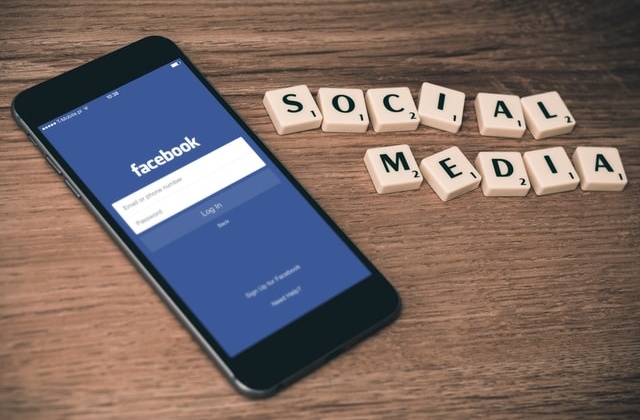
Facebook may be required to pay Australian news outlets for their contents that appear on the platform based on the new media policies in the land Down Under. In an effort to change this rule, the company’s CEO Mark Zuckerberg called on Australian lawmakers to talk about the matter.
The meeting between the Facebook chief and Australian lawmakers
As per Reuters, the Facebook chief “reached out to talk about the code and the impact on Facebook,” and a talk between Zuckerberg and Australian Treasurer Josh Frydenberg and communications minister Paul Fletcher followed.
The discussion took place last week, but the American social media failed to convince the Aussie government to change its media policy. This means that he was not able to persuade them to take down the rule that will make Facebook pay news outlets.
In his explanation, Zuckerberg said that Australia’s proposed “new media bargaining code” is not workable in its current form. He also requested a six-month grace period to give digital platforms time to negotiate good deals with news companies before the new mandatory rules take effect.
Frydenberg confirmed that they have spoken with Zuckerberg, and they had a constructive discussion; however, the talk was a failure on Facebook’s side. “No, Mark Zuckerberg didn’t convince me to back down if that’s what you’re asking,” the Australian treasurer said.
At any rate, the Facebook spokeswoman based in Australia shared that the executives are regularly meeting with government stakeholders. They have been discussing various subjects, and hopefully, a good arrangement will be made.
“We’re actively engaging with the Australian government with the goal of landing on a workable framework to support Australia’s news ecosystem,” she said.
What the proposed code is about
Both Facebook and Google oppose the new Australian policy called the “News Media Bargaining Code.” As mentioned before, this will require them to pay news outlets for content that will appear on their respective platforms.
In response, Google already threatened to withdraw its search engine from Australia, and Facebook stated that it would stop sharing news content from Australian sources if the proposed policy goes ahead. The Guardian reported that this code was created by Australia’s
Australian Competition and Consumer Commission.
Frydenberg shared that he is aware of the threats from Facebook and Google, but he is not intimidated by them. With this statement and Mark Zuckerberg’s failure to make the lawmakers change the policy, it seems that it is inevitable for FB and Google to pay if they would like to continue business in Australia.
“We’re told that if we go ahead with this, we’re going to break the internet,” Frydenberg said. “What I do know is that media businesses should be paid for content.”







