


 UAE's Largest Natural Gas Facility Suspended After Attack-Triggered Fire
  Star Entertainment Secures $390M Refinancing Deal to Stabilize Operations
  CTOC Adds 3,000 Doctors, 500 Hospitals Ahead of Liquidity Push
  Trump Administration Plans 100% Tariffs on Pharmaceutical Imports
  Private Credit Under Pressure: Is a Slow-Motion Crisis Unfolding?
  Jefferies Upgrades Sodexo to Buy With €55 Target After Historic CEO Appointment
  First Western Ship Transits Strait of Hormuz Since Iran War Began
  Microsoft Eyes $7B Texas Energy Deal to Power AI Data Centers
  SpaceX Eyes Historic IPO at $1.75 Trillion Valuation
  Microsoft's $10 Billion Japan Investment: AI Infrastructure and Data Sovereignty Push
  McDonald's and Restaurant Brands International Face Headwinds Amid Iran Conflict and Rising Costs
  Cathay Pacific Holds Firm on Flight Capacity Amid Middle East Conflict and Rising Fuel Costs
  KPMG UK Cuts 440 Audit Jobs Amid Low Attrition and Cooling Professional Services Demand
  Norma Group Posts Revenue Decline in 2025, Eyes Modest Recovery in 2026
  OpenAI Executive Shake-Up Ahead of Anticipated 2026 IPO
  Elon Musk Ties SpaceX IPO Access to Mandatory Grok AI Subscriptions
  Europe's Aviation Sector on Track to Meet 2025 Green Fuel Mandate


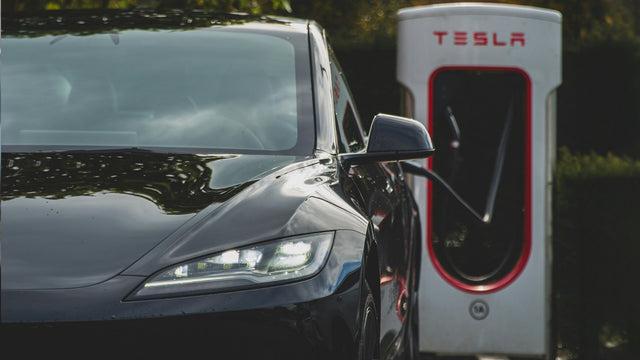
Tesla has received approval from the Arizona Department of Transportation to begin testing its autonomous robotaxi service in the Phoenix metro area. The company, which applied for a permit in June, will launch the trials with safety drivers on board to monitor operations.
The move marks another step in Tesla’s plan to expand its self-driving technology into ride-hailing services across the United States. While the exact start date and duration of the trials have not been disclosed, the approval positions Arizona as a key testing ground for Tesla’s autonomous vehicle ambitions.
This development follows Tesla’s earlier pilot program in Austin, Texas, launched in June. That trial featured a small fleet of about a dozen vehicles, limited passenger access, and strict safety requirements, including a monitor in the front passenger seat. The Arizona initiative appears to build on those efforts, potentially paving the way for broader deployment.
CEO Elon Musk has repeatedly emphasized Tesla’s goal of introducing a fully autonomous ride-hailing service. He recently stated that the company intends to make robotaxis available to roughly half of the U.S. population by the end of the year. If successful, Tesla could significantly reshape the future of urban mobility, competing directly with established ride-hailing companies.
Autonomous driving technology continues to attract attention as automakers and tech firms race to commercialize self-driving vehicles. By expanding its testing footprint into Arizona, Tesla is reinforcing its position at the forefront of innovation in electric and autonomous transportation.
The Phoenix metro area, known for its favorable climate and open regulatory environment, has already become a hub for autonomous vehicle trials by companies such as Waymo and Cruise. Tesla’s entry into this market signals its intent to compete in one of the most active regions for self-driving technology.







