


 UAE's Largest Natural Gas Facility Suspended After Attack-Triggered Fire
  Senate Sets December 8 Vote on Trump’s NASA Nominee Jared Isaacman
  Global Markets Waver as U.S.-Iran War Deadline Looms and Oil Prices Surge
  ECB Warns of Rising Inflation Risks Amid Iran War Energy Shock
  Paramount Skydance Secures $24B from Gulf Sovereign Wealth Funds for Warner Bros. Discovery Takeover
  MATCH Act Targets ASML and Chinese Chipmakers in New U.S. Export Crackdown
  UPS and Teamsters Reach Agreement to Limit Driver Severance Program
  OpenAI Executive Shake-Up Ahead of Anticipated 2026 IPO
  Trump-Iran Ceasefire Sends Dollar Tumbling as Global Currencies Surge
  Neuralink Expands Brain Implant Trials with 12 Global Patients
  FDA Adds Fatal Risk Warning to J&J and Legend Biotech’s Carvykti Cancer Therapy
  Deere & Company Agrees to $99 Million Settlement Over Right-to-Repair Dispute
  Asian Stocks Surge as U.S.-Iran Ceasefire Deal and Samsung Earnings Boost Market Confidence
  Ford Issues Major Recall on Over 422,000 Vehicles Due to Windshield Wiper Defect
  Apple's Foldable iPhone Faces Engineering Setbacks, Mass Production Timeline at Risk
  China's Fermented Feed Push: Cutting Soybean Dependence Amid Trade War


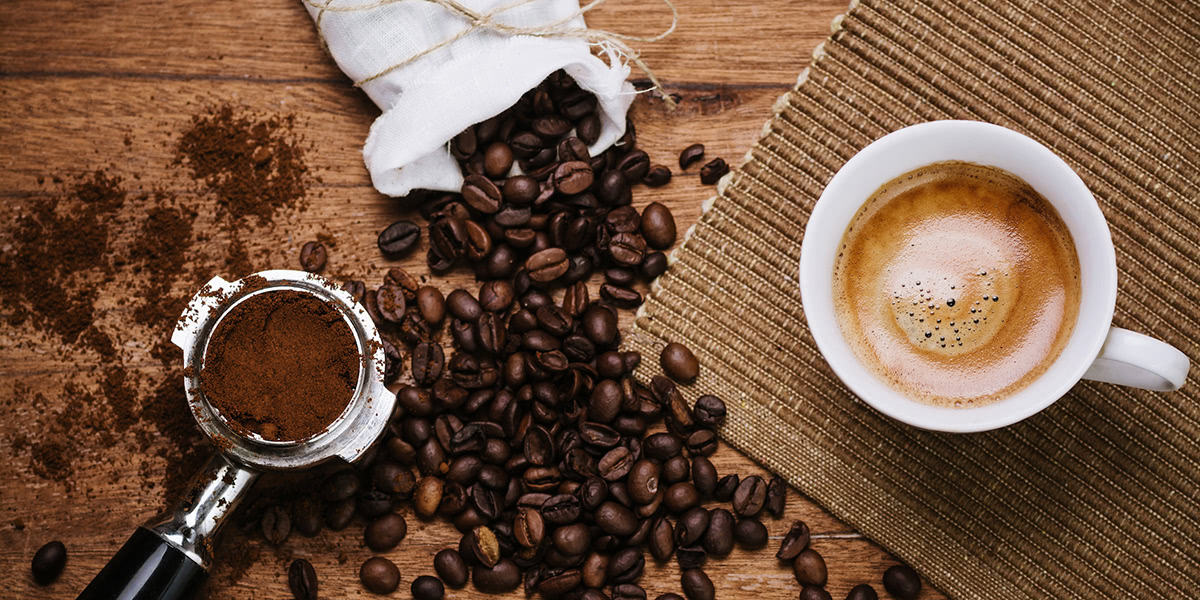
A new scientific review by researchers from Tufts University and Montana State University found that global warming might ruin the taste and reduce the availability of coffee in the future.
The team looked for patterns across 73 published articles on coffee to determine what factors were most likely to affect its quality and the impact of environmental changes on those factors.
The researchers identified two factors consistently associated with coffee quality, which are higher altitude produced better flavor and aroma and too much sunlight decreased the quality.
According to the paper, higher altitudes are associated with cooler temperatures that result in higher accumulation of taste and aroma precursors, slower ripening, and prolonged fruit-fill, and" the paper states.
Meanwhile, reducing sunlight exposure is easier to deal with through shade management, including fostering shade-grown coffee systems with optimal levels of canopy coverage.
Sean Cash, an economist and professor at Tufts' Friedman School of Nutrition Science and Policy, noted that understanding the science of these changes might help farmers and other stakeholders better manage coffee production in the face of this and future challenges
He added that factors that influence coffee production would greatly impact buyers' interest, coffee prices, and ultimately the farmers’ livelihoods.







