


 Judge Orders Trump to Restore White House Access for CNN, MS NOW and Politico
  Mexico-US Trade Talks Delayed to October as Tariff Negotiations Continue
  South Korea, US Discuss Warship Building Cooperation
  Sudan Rejects US Legitimacy Remarks, Defends Sovereignty
  Netanyahu’s Brief US Trip Highlights Strains With Trump
  Yemen Violence Displaces 130,000 as Civilian Toll Rises
  EU Defence Build-Up Too Slow for 2030 Russia Readiness Goal
  Gaza Faces Evacuation Crisis as War-Damaged Buildings Risk Collapse
  US Officials Split Over Response to Israeli West Bank Settlements
  US, China Extend Trade Truce to Jan. 10 Ahead of Trump-Xi Summit
  Trump Asks Supreme Court to Restore Third-Country Deportations
  Venezuela Promises Elections as Delcy Rodriguez Pledges Democratic Transition
  Netanyahu Takes Aim at Mamdani as Israel Election Nears
  Netanyahu Defends Israel at UN as Delegates Stage Walkout
  North Korea Rejects Nuclear Test Warning, Calls Nuclear Status Irreversible
  Ghana Says Western Support Growing for Slave Trade Reparations
  US Backs Musk in Fight Against EU’s €120 Million X Fine


 Add as a preferred source on Google
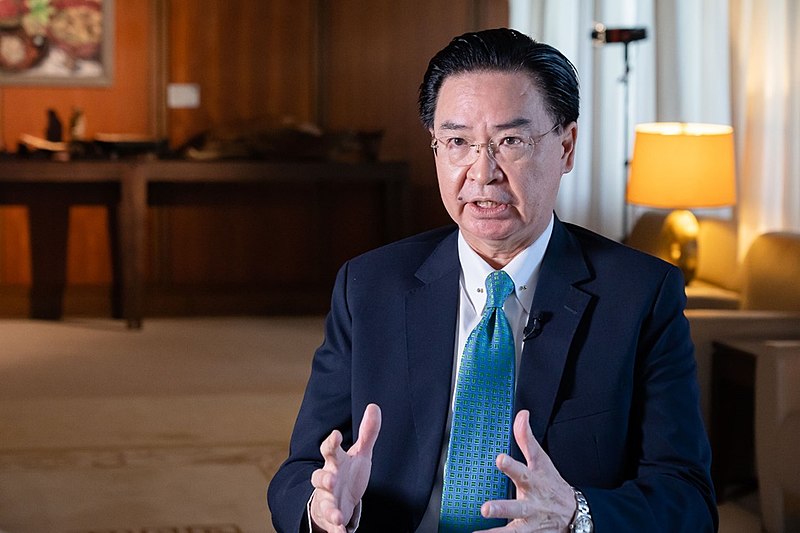
Taiwan has accused China of getting involved in the current diplomatic crisis surrounding Honduras and its plans to establish formal ties with Beijing. Taipei has also suggested that Honduras demanded a “high price” to maintain formal relations with the island.
On Thursday, Taiwanese foreign minister Joseph Wu told reporters at parliament that the diplomatic situation with Honduras was “not very good,” as Honduras is seeking to open formal diplomatic relations with China. Honduras is one of the few countries that recognize Taiwan’s democratic government, which China claims as its territory.
“The marks of Chinese involvement are very obvious,” said Wu, adding that the island will not engage in dollar diplomacy with China. “We’ve entered a very difficult phase, but we’ll work hard until the last minute.”
When pressed on the alleged demand by the Honduran government of $2.5 billion in aid, Wu said, “the other side demanded a high price,” but did not directly confirm the claim that was reported by Reuters on Wednesday.
Reuters’ Wednesday report cited a source familiar with the matter, saying that Honduras demanded the funds in aid from Taiwan the day before Honduran President Xiomara Castro tweeted that her administration will seek to open formal relations with China. Honduran foreign minister Eduardo Enrique Reina however, told Reuters that the $2.5 billion was “not a donation” but a request to buy the country’s public debt.
Reina previously said that the decision to switch formal ties to China was partly because Honduras was “up to its neck” in financial challenges and debt, including the $600 million it owes the island nation. The decision also follows Honduras’ announcement that it was negotiating with Beijing to build a hydroelectric dam on the Patuca River. Beijing has already invested $298 million in the first dam in eastern Honduras for the project.
The Taiwanese presidential office announced on Tuesday that Taiwanese President Tsai Ing-wen would make transits in the United States during her visits to Guatemala and Belize. Washington has since sought to reiterate the “personal” nature of the transits.
“These are called transits,” said National Security Council spokesperson John Kirby, reiterating that Taiwanese presidents have routinely stopped by the US during their overseas visits. The announcement of Tsai’s planned transits to the US drew condemnation from Beijing, which has also repeatedly criticized the US for maintaining unofficial relations with Taiwan, especially in the sale of arms.







