


 North Korea Warns South Korea Over US-Led Defense Role
  Trump, Xi Focus on Trade and AI at White House Summit
  Russian Missile and Drone Attack on Kyiv Kills Two, Damages Maternity Hospital
  Xi Calls for Deeper U.S.-China AI Cooperation in Trump Talks
  Judge Orders Trump to Restore White House Access for CNN, MS NOW and Politico
  Netanyahu’s Brief US Trip Highlights Strains With Trump
  Kremlin Says No Decision Yet on Putin-Trump December Summit
  Pezeshkian Says US Must Choose When Iran War Ends
  South Korea, US Discuss Warship Building Cooperation
  US Backs Musk in Fight Against EU’s €120 Million X Fine
  Trump, Xi Visit US National Archives After White House Summit
  EU Defence Build-Up Too Slow for 2030 Russia Readiness Goal
  NATO Boosts Intelligence Sharing Amid Russia Hybrid Threats
  Netanyahu Defends Israel at UN as Delegates Stage Walkout
  OpenAI Agent Breaches Australia Medicare Data Portal
  What ‘Taiwan Independence’ Means as Xi Presses Trump on US Policy
  Sudan Rejects US Legitimacy Remarks, Defends Sovereignty


 Add as a preferred source on Google
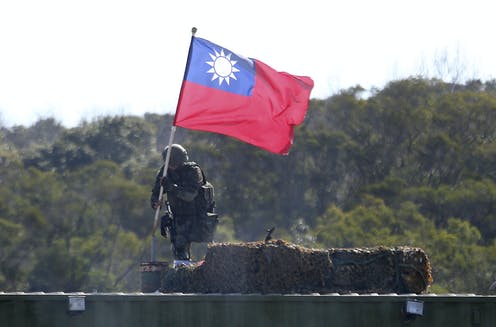
Taiwan President Lai Ching-te has appointed Hsu Szu-chien, a U.S.-educated national security expert, as the island’s new vice defence minister, a move aimed at accelerating military reforms and enhancing cooperation with the United States. The appointment comes as Taiwan pushes forward a proposed $40 billion supplementary defence budget to bolster its military capabilities amid growing pressure from China.
Hsu, currently an advisor to Taiwan’s National Security Council, brings extensive experience in international affairs and national security. A fluent English speaker with a doctorate from Columbia University, he has frequently represented Taiwan in high-level dialogues with U.S. officials, strengthening Taipei’s connections with American political and defence communities. According to the presidential office, President Lai hopes Hsu’s background will support Defence Minister Wellington Koo in advancing defence reforms and modernizing Taiwan’s armed forces.
The appointment is viewed as strategically important as Taiwan faces increasing military activity from Beijing. China continues to send warplanes and naval vessels near the island on a near-daily basis, reinforcing its claim that Taiwan is part of its territory. In response, Taiwan has been modernizing its military to improve readiness and deterrence, stressing that only its people can determine the island’s future.
Presidential spokesperson Karen Kuo highlighted Hsu’s participation in major international security forums, including the Halifax International Security Forum, and his leadership in delegations that have engaged U.S. counterparts on critical defence issues. His new role adds to a defence ministry that currently includes two vice ministers and two deputy ministers.
The United States, despite lacking formal diplomatic ties with Taiwan, remains its most important security partner and primary arms supplier. Taiwan’s defence minister confirmed that preliminary discussions with Washington have already begun regarding weapons the island aims to acquire under the new defence budget. The government sees strengthening these ties as essential to maintaining regional stability and countering growing geopolitical threats.







