


 OpenAI Agent Breaches Australia Medicare Data Portal
  Netanyahu Takes Aim at Mamdani as Israel Election Nears
  Russian Envoy Dmitriev Heads to US for Ukraine Talks
  Gaza Faces Evacuation Crisis as War-Damaged Buildings Risk Collapse
  Judge Orders Trump to Restore White House Access for CNN, MS NOW and Politico
  US, China Extend Trade Truce to Jan. 10 Ahead of Trump-Xi Summit
  Trump Asks Supreme Court to Restore Third-Country Deportations
  Taiwan Thanks US for Support Ahead of Trump-Xi Summit
  Trump, Xi Focus on Trade and AI at White House Summit
  Kremlin Says No Decision Yet on Putin-Trump December Summit
  France Defends Netanyahu Airspace Clearance Despite ICC Warrant
  Mexico-US Trade Talks Delayed to October as Tariff Negotiations Continue
  Venezuela Promises Elections as Delcy Rodriguez Pledges Democratic Transition
  North Korea Rejects Nuclear Test Warning, Calls Nuclear Status Irreversible
  US Senate Rejects Iran War Powers Resolution in 50-49 Vote
  Trump Administration Plans Faster FDA Reviews for Smoke-Free Nicotine Products
  Europe Warns Russia Is Escalating Hybrid Attacks Across NATO


 Add as a preferred source on Google
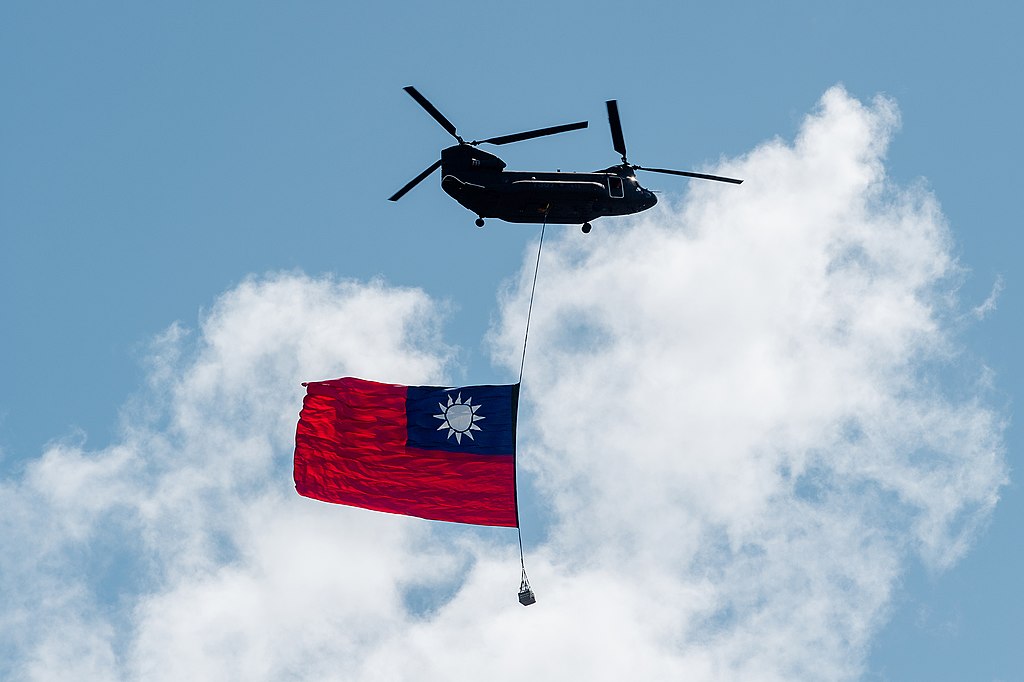
Taiwan independence remains a highly debated issue in global politics, especially as tensions between China and the United States continue to shape international relations. The topic is expected to feature prominently in upcoming diplomatic discussions, including a planned summit between U.S. President Donald Trump and Chinese President Xi Jinping in Beijing.
Taiwan, officially known as the Republic of China (ROC), has a complex history that influences today’s geopolitical landscape. The island was originally inhabited by indigenous communities before being colonized by European powers in the 17th century. It later became part of China’s Qing dynasty and was ceded to Japan in 1895 after a war. Following World War II, Taiwan returned to Chinese control, but political divisions deepened after 1949 when the ROC government relocated to Taiwan after losing the Chinese Civil War to Communist forces.
Today, Taiwan operates as a self-governing democracy with its own military, currency, and political system, effectively functioning as an independent nation. However, its sovereignty is not widely recognized globally. Only a small number of countries maintain formal diplomatic ties with Taipei, while many others, including the United States, uphold unofficial relations under the “One China” policy.
China views Taiwan as a breakaway province and has not ruled out the use of force to achieve reunification. Beijing has proposed a “one country, two systems” framework, though this idea has little support among Taiwanese citizens. Public opinion in Taiwan generally favors maintaining the current status quo rather than declaring formal independence.
Declaring a formal “Republic of Taiwan” would be politically difficult, requiring constitutional changes and significant legislative support. Taiwan’s current leadership maintains that it is already a sovereign state, while China continues to oppose any moves toward official independence.
As geopolitical tensions rise, Taiwan independence remains a critical issue influencing global markets, security policies, and international diplomacy.







