


 Russia Signals Frustration Over Unfulfilled U.S. Commitments After Alaska Summit
  Israel Heritage Bill Sparks Annexation Concerns in West Bank
  US Urges States and Businesses to Strengthen Taiwan Ties Amid China Pressure
  US Senate Approves War Powers Resolution Urging Trump to End Iran Military Action
  Johns Hopkins University Lays Off 110 Employees as Federal Research Funding Declines
  US Seeks Gulf Support for Iran Peace Deal Amid Regional Tensions
  White House Seeks $1.4 Billion to Combat Growing Ebola Outbreak
  Japan Signals Preference for Low Interest Rates as BOJ Policy Debate Intensifies
  Trump Requests $11 Billion More in Farm Aid as Rising Costs Pressure U.S. Farmers
  Marco Rubio Seeks Gulf Support for U.S.-Iran Peace Deal Amid Regional Concerns
  U.S. Reviewing Potential F-35 Fighter Jet Sale to Turkey Amid S-400 Dispute
  NATO Chief Tries to Ease Trump Alliance Dispute
  US Reaffirms Taiwan Arms Sales Policy Despite Trump’s Comments on China
  U.S. Eases Iran Team Travel Restrictions Ahead of Seattle World Cup Match
  Pelosi Discloses Major Intel and Uber Call Option Purchases Worth Up to $6 Million
  Bessent Says U.S. Must Strengthen Supply Chains and Economic Security
  White House Seeks $87.6 Billion Emergency Funding for Iran War, Farmers, and Ebola Response


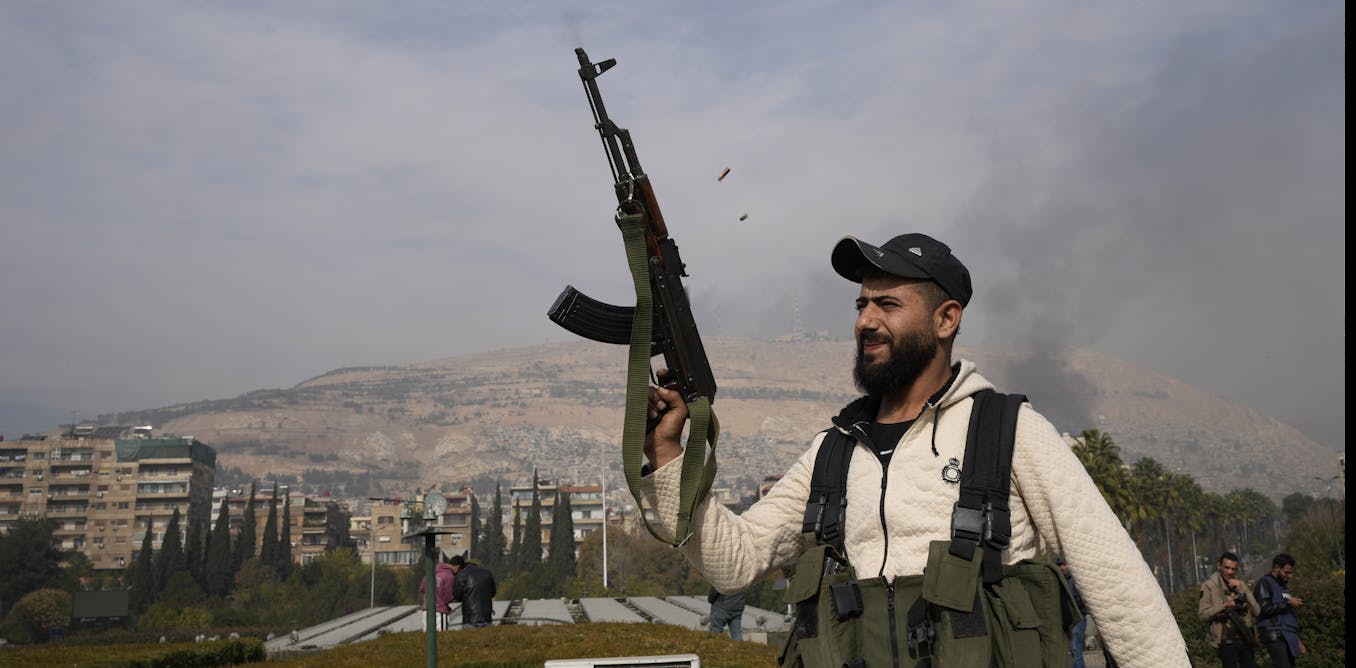
A fragile ceasefire between the Syrian government and Kurdish-led Syrian Democratic Forces (SDF) has been extended by 15 days, offering temporary relief amid escalating tensions in northern and eastern Syria. The original four-day truce, which expired late Saturday night, was prolonged following international mediation, according to statements from both sides.
The ceasefire extension comes after Syrian government troops seized large areas of territory from the SDF over the past two weeks, marking a rapid consolidation of power by President Ahmed al-Sharaa. His forces had been advancing toward the last remaining SDF strongholds earlier this week before Sharaa unexpectedly announced the initial ceasefire, giving Kurdish forces a deadline to disarm and present a plan for integration into Syria’s national army or face renewed fighting.
Tensions remained high as the deadline approached. Syrian officials accused the SDF of failing to engage in dialogue, while Kurdish leaders warned that government troop movements signaled a systematic push toward escalation. Just an hour before the ceasefire was set to expire, Syria’s defense ministry announced a new 15-day halt to military operations, citing the need to support an ongoing U.S.-led effort to transfer Islamic State detainees from Syria to Iraq.
The SDF confirmed the extension, stating that the agreement was reached through international mediation and that talks with Damascus were still ongoing. The new ceasefire took effect at 11 p.m. local time.
The United States has been actively involved in shuttle diplomacy, aiming to secure a lasting ceasefire and facilitate the integration of the SDF, Washington’s longtime partner against Islamic State, into Syria’s new political order. U.S. and French officials have reportedly cautioned President Sharaa against deploying troops into remaining Kurdish-held areas, warning that renewed fighting could trigger mass abuses against civilians.
The situation in northeastern Syria remains volatile. Kurdish forces had reinforced defenses in key cities such as Qamishli, Hasakeh, and Kobane, anticipating possible clashes. Meanwhile, the Syrian government’s recent offensive captured strategic provinces, including vital oil fields and infrastructure, underscoring the high stakes of the ongoing standoff.
As diplomatic efforts continue, the ceasefire extension provides only a brief window to prevent further violence and chart a political path forward in a deeply divided Syria.







