


 North Korea Vows to Expand Nuclear Arsenal Amid U.S.-Led Military Buildup
  US Allies Fear Trump Could Soften Taiwan Stance in Xi Talks
  Yemen Fighting Threatens Red Sea Oil Routes
  Russian Attack on Balakliia Kills Two, Injures Two
  Paris Talks Focus on Lebanon Army Needs as UNIFIL Exit Looms
  BOJ Set for 25-Basis-Point Rate Hike as Yen Weakness Fuels Inflation
  Oil Prices Fall as Saudi Supply Improves, Middle East Fears Ease
  European Stocks Rally After Fed Hike, Iran Peace Hopes
  Trump Hopes Iran War Nears End as Yemen Fighting Escalates
  Bolivia Approves $1.9 Billion IMF Financing Deal
  France Urges Faster AI Push Despite Safety Risks
  Iran Economic Crisis Forces Afghan Families to Return Home
  Asian Chip Stocks Rally as Treasury Yields Ease
  Trump Eyes End to Iran War, Plans Gulf Leaders Meeting
  Asian Currencies Mixed as Dollar Hits Seven-Week High After Fed Hike
  Gold Prices Rise as Oil and Treasury Yields Fall
  Trump Bans CNN, MS NOW and Politico From White House


 Add as a preferred source on Google
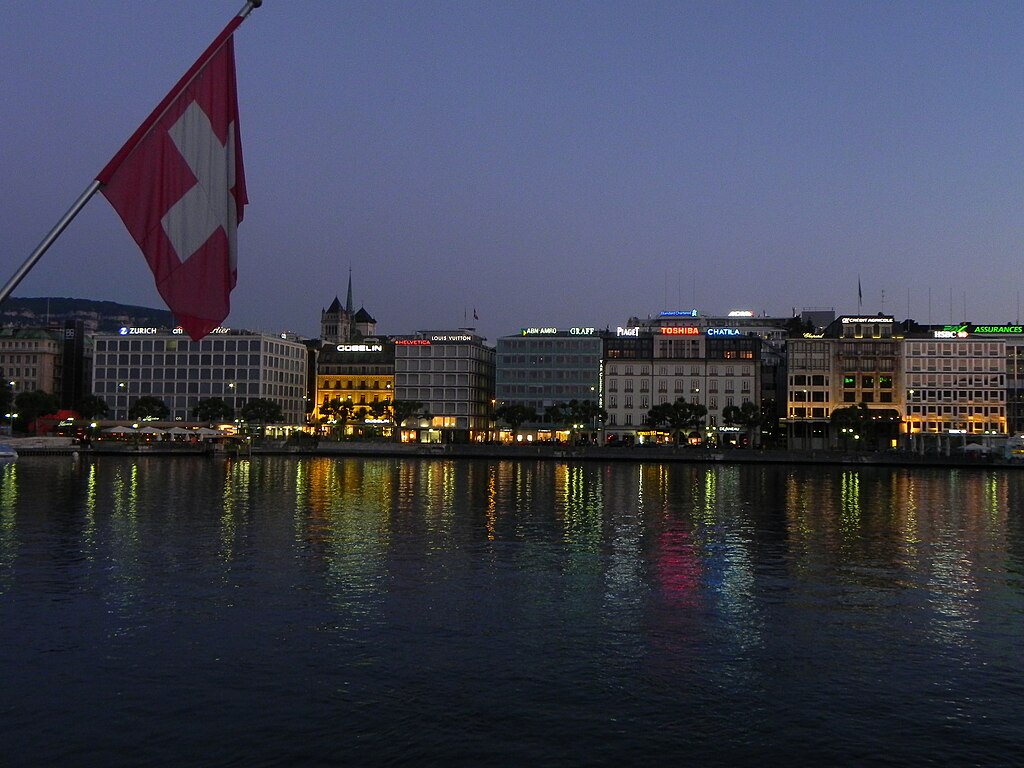
Switzerland has rejected a proposal to cap its population at 10 million people, with voters choosing economic stability and strong relations with the European Union over concerns about rising immigration, housing shortages, and pressure on public services.
According to preliminary results from the nationwide referendum, nearly 55% of Swiss voters opposed the initiative, while 45% supported it. The closely watched vote had drawn comparisons to the United Kingdom’s Brexit referendum because of its potential impact on Switzerland’s relationship with the EU.
The proposal, backed by the right-wing Swiss People’s Party (SVP), sought to prevent Switzerland’s population from exceeding 10 million before 2050. Under the plan, if the population remained above that threshold for two consecutive years, the government would have been required to terminate the country’s freedom of movement agreement with the European Union.
Swiss officials campaigned against the measure, warning it could harm the economy and disrupt access to foreign workers. Justice Minister Beat Jans welcomed the result, describing it as a vote for stability, openness, and reliability. However, he acknowledged growing public concerns about immigration and housing affordability, promising further analysis of potential solutions.
Switzerland’s population currently stands at approximately 9.1 million, with foreign nationals accounting for nearly 28% of residents. Official forecasts suggest the population could surpass 10 million in the early 2040s. Despite widespread concerns about population growth, many voters feared the proposal would weaken ties with the EU, Switzerland’s largest trading partner, and make it more difficult for businesses to recruit skilled workers and caregivers.
Business groups praised the referendum outcome, arguing that limiting immigration would have damaged economic growth and strained relations with Brussels. The result also provides momentum for Switzerland to advance a bilateral agreement reached with the EU in late 2024 aimed at strengthening economic cooperation.
Although the proposal was defeated, analysts noted that the strong level of support highlights ongoing public concern about immigration. Political observers believe debates over population growth and migration policy are likely to remain central issues in Swiss politics in the years ahead.







