


 U.S. Treasury Yields Surge as 30-Year Hits 22-Year High
  Oil Prices Jump 3% as Houthi Attack Revives Supply Fears
  Australia Unemployment Hits Five-Year High Despite Strong Jobs Growth
  Japan Private-Sector Growth Slows as Domestic Demand Weakens
  US Dollar Hits Two-Month High as Fed Rate Hike Bets Rise
  US Stock Futures Fall as Treasury Yields Surge Ahead of Trump-Xi Summit
  Mexico-US Trade Talks Delayed to October as Tariff Negotiations Continue
  Wall Street Falls as Treasury Yields Surge, Oil Rebounds on Iran Tensions
  US, China Extend Trade Truce to Jan. 10 Ahead of Trump-Xi Summit
  U.S. Dollar Hits Two-Month High as Oil, Treasury Yields Surge
  Fed Unveils Stablecoin Rules Under GENIUS Act
  Asian Currencies Mixed as Dollar Holds Near Two-Month High
  China’s ‘Lipstick King’ Says AI Won’t Replace Livestream Hosts
  Soybean Futures Slip as Traders Await Trump-Xi Trade Signals
  Oil Prices Surge as U.S.-Iran Diplomacy Hopes Fade
  European Stocks Fall as Bond Yields and Geopolitical Risks Weigh


 Add as a preferred source on Google
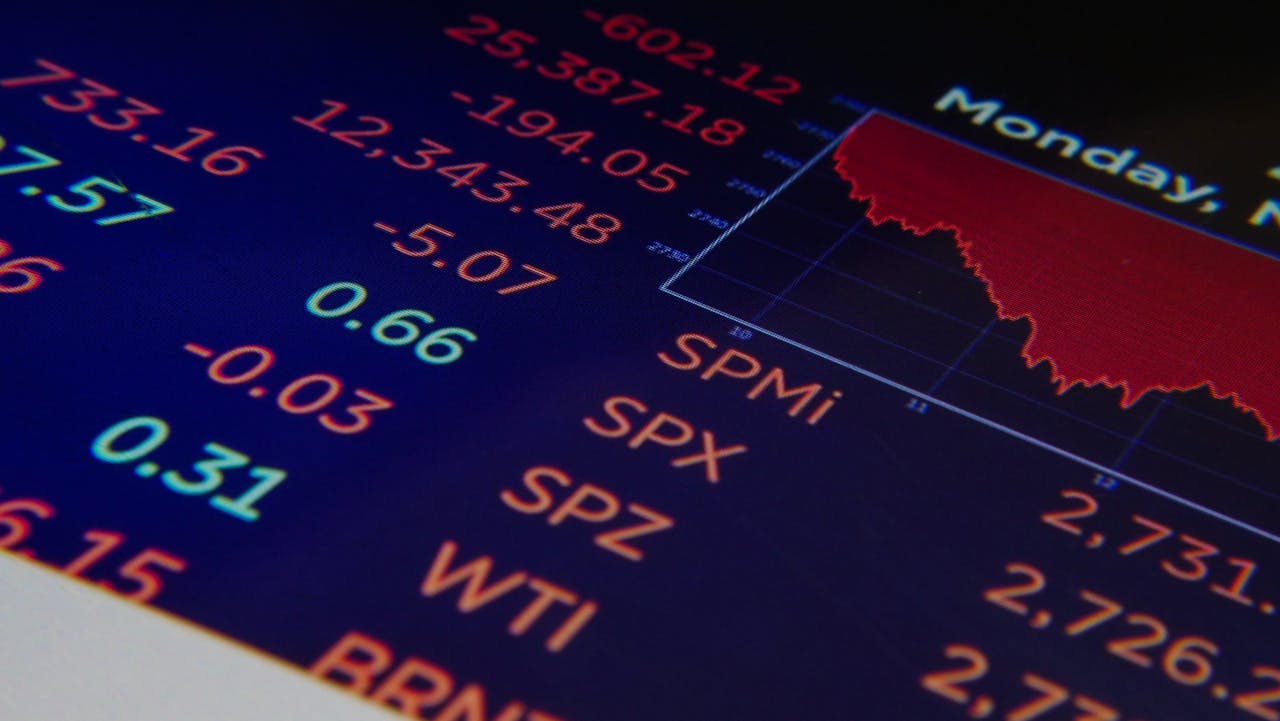
Asian stock markets opened the week lower on Monday, with South Korea leading regional losses as renewed selling in artificial intelligence-related technology stocks overshadowed improving investor sentiment from easing Middle East tensions and stronger U.S. stock futures.
The South Korean KOSPI plunged more than 4% after a record rally on Friday, extending volatility driven by concerns over elevated AI valuations. Heavyweight chipmakers Samsung Electronics and SK Hynix fell sharply despite posting strong semiconductor earnings, as investors took profits and reassessed expectations. Together, the two companies account for more than half of the KOSPI’s total market capitalization.
Japan’s Nikkei 225 also declined about 1.6%, while the broader TOPIX dropped over 2%. Losses in Sony Group, Murata Manufacturing, and Renesas Electronics outweighed gains in Kioxia Holdings and TDK. Investor sentiment remained cautious after the Bank of Japan kept interest rates unchanged while reaffirming its gradual monetary policy normalization outlook.
Chinese equities proved relatively resilient despite weakness in technology shares. The CSI 300 and Shanghai Composite each posted modest losses, while Hong Kong’s Hang Seng Index edged higher. Alibaba climbed more than 5% after unveiling a new flagship artificial intelligence model, and Tencent also advanced, helping support the Hong Kong market.
Meanwhile, Wall Street futures pointed higher after strong quarterly earnings from Microsoft and Alphabet boosted confidence in the U.S. technology sector. Nasdaq 100 Futures gained nearly 1%, while S&P 500 Futures also advanced during Asian trading.
Oil prices retreated after U.S. President Donald Trump said negotiations over the Strait of Hormuz would begin on Monday, raising hopes for a diplomatic breakthrough with Iran and easing fears of supply disruptions. Lower crude prices pressured regional energy stocks, with Australia's Woodside Energy, Santos, and Japan’s INPEX posting notable declines.
Australia’s S&P/ASX 200 outperformed regional peers as gains in financial and industrial shares offset weakness in the energy sector. Investors are now turning their attention to the Reserve Bank of India’s upcoming policy decision, along with China’s July trade data, South Korea’s inflation report, and Friday’s closely watched U.S. nonfarm payrolls report.







