


 Asian Currencies Mixed as Dollar Holds Near Two-Month High
  Asian Stocks Fall as Bond Yields Surge Ahead of Trump-Xi Summit
  European Stocks Fall as Bond Yields and Geopolitical Risks Weigh
  Australia Unemployment Hits Five-Year High Despite Strong Jobs Growth
  Mexico-US Trade Talks Delayed to October as Tariff Negotiations Continue
  European Stocks Slip as Iran Tensions Offset Strong Eurozone Data
  Wall Street Ends Flat as Oil, Treasury Yields and Fed Jitters Rattle Markets
  US 10-Year Treasury Yield at 6% Emerges as New Market Risk Threshold
  Dollar Hits Two-Month High as Fed Rate Hike Bets Rise
  China’s ‘Lipstick King’ Says AI Won’t Replace Livestream Hosts
  Oil Prices Surge as U.S.-Iran Diplomacy Hopes Fade
  Russian Envoy Dmitriev Heads to US for Ukraine Talks
  RBI Uses $10 Billion Currency Swaps to Drain Excess Rupee Liquidity
  Gold Prices Fall as Treasury Yields Rise on Fed Rate Hike Bets
  Japan Private-Sector Growth Slows as Domestic Demand Weakens
  U.S. 10-Year Treasury Yield Hits 2007 High as Fed Rate Hike Bets Rise


 Add as a preferred source on Google
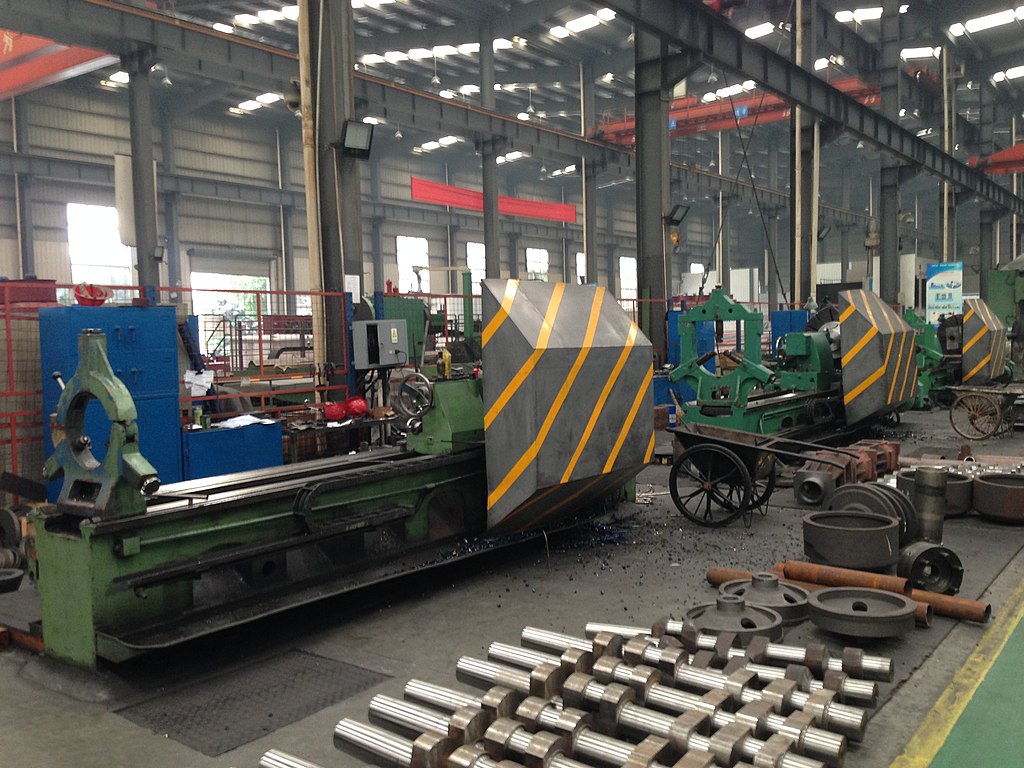
China's factory activity unexpectedly returned to contraction in July, while the country's services sector also weakened, highlighting growing pressure on the world's second-largest economy as soft domestic demand and typhoon-related disruptions dampened business activity.
Official data released by the National Bureau of Statistics on Friday showed the manufacturing Purchasing Managers' Index (PMI) fell to 49.2 in July from 50.3 in June, missing market expectations of 50.1. The reading marked the first contraction since February 2026, with any figure below 50 indicating shrinking business activity.
The slowdown extended beyond manufacturing. China's non-manufacturing PMI, which tracks the services and construction sectors, declined to 49.0 from 50.2 in June, also falling short of forecasts of 50.0. Meanwhile, the composite PMI, which combines manufacturing and services activity, dropped to 49.3 from 50.6, reaching its weakest level since China emerged from its pandemic restrictions in 2022.
Economists at Capital Economics said severe typhoons that recently swept across parts of China disrupted construction projects and hurt services activity. The official construction PMI fell to a record low of 47.0, while wholesale trade, real estate, and financial services ranked among the weakest-performing industries during the month.
The manufacturing sector was primarily dragged down by a sharp decline in new orders, signaling that sluggish domestic demand remains the biggest obstacle to economic growth. In contrast, export orders slipped only modestly, suggesting overseas demand has remained relatively resilient despite broader economic challenges.
Despite the disappointing PMI readings, analysts noted that business confidence regarding future activity remained relatively stable. Measures tracking expected output across manufacturing, services, and construction indicated companies anticipate the current slowdown could prove temporary.
The weaker-than-expected economic data is also expected to increase pressure on Chinese policymakers and local governments to accelerate fiscal support measures. Analysts said authorities are likely to follow through on the Politburo's recent pledge to increase government spending and strengthen policy support in the second half of the year to stabilize growth and revive domestic demand.







